XN(XN6E)-A-DTLS-300x300.jpg)
-300x300.jpg)
-300x300.jpg)
XN(XN4ES)-Z珊瑚红-300x300.png)
-300x300.jpg)
-300x300.jpg)


Анализ цены на канализационные насосы
В таких сценариях, как очистка муниципальных сточных вод, сброс промышленных сточных вод, дренаж строительных площадок и очистка бытовых сточных вод, канализационные насосы служат основным дренажным оборудованием. Их производительность и цена напрямую влияют на эффективность дренажа, эксплуатационные расходы и качество проекта. Цена канализационных насосов не является фиксированной величиной, на нее влияют различные факторы, и она может варьироваться от десятков до сотен тысяч долларов.
I. Цены на канализационные насосы
Канализационные насосы — это специализированное насосное оборудование, предназначенное для перекачки сточных вод, содержащих твердые частицы, мусор и коррозионные вещества. Их цены не имеют фиксированных стандартов и зависят от множества факторов, включая тип, технические характеристики, материалы, бренд, функциональные конфигурации и динамику спроса и предложения на рынке. В результате цены значительно варьируются. Базовые модели, изготовленные из обычного чугуна, предлагаются по наиболее доступным ценам. В то же время модели из нержавеющей стали или модели со специальными функциями, такими как интеллектуальное управление или взрывозащита, стоят значительно дороже. Международные бренды, как правило, стоят дороже стандартных отечественных брендов. Для конкретных сценариев применения следует обращаться к справочным ценовым диапазонам, основанным на фактических требованиях, с учетом соотношения стоимости и эксплуатационных потребностей.
II. Huaquan — специализированный производитель канализационных насосов
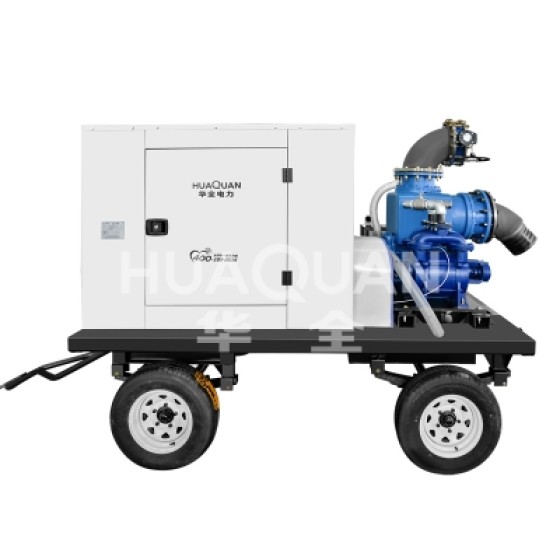
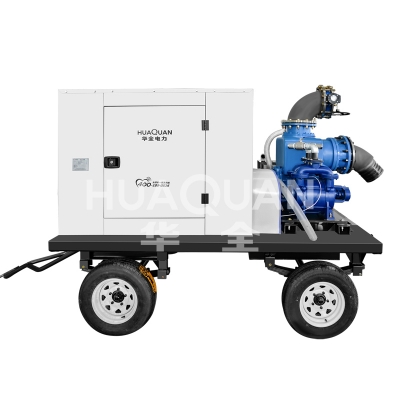
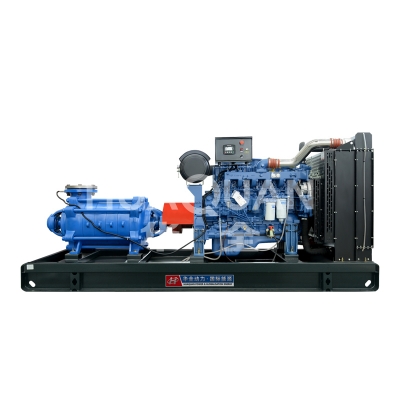
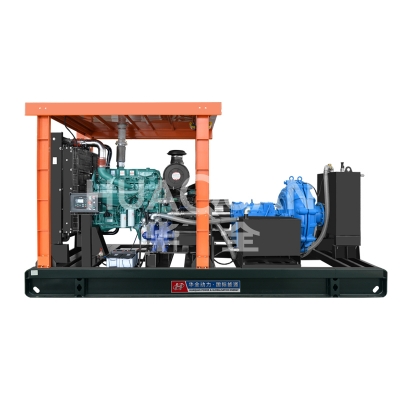
Huaquan — специализированный производитель канализационных насосов, занимающийся исследованиями, разработкой, производством и продажей в секторе канализационных насосов. Компания обладает комплексной производственной системой и строгими процессами контроля качества. Ассортимент ее продукции включает погружные канализационные насосы, самозаполняющиеся канализационные насосы и другие типы, подходящие для различных сценариев канализации, включая муниципальные, промышленные, строительные и сельскохозяйственные применения. Эти насосы, изготовленные с использованием высококачественных материалов и передовых технологий, обладают противозасорными свойствами, износостойкостью и коррозионной стойкостью, а также высокой энергоэффективностью. Они надежно транспортируют сточные воды и сточные воды, содержащие твердые частицы или коррозионные среды, предоставляя надежные решения в области канализационного оборудования для различных секторов.
III. Факторы, влияющие на цену канализационных насосов
Различия в ценах на канализационные насосы в основном обусловлены различиями в основных характеристиках, таких как производительность, конфигурация и материалы. Следующие пять ключевых факторов оказывают решающее влияние на цену и заслуживают особого внимания со стороны покупателей.
1. Тип и технические характеристики
Канализационные насосы бывают различных типов, каждый из которых имеет свою конструкцию и сферу применения, что приводит к значительным различиям в цене. В настоящее время основными типами являются погружные канализационные насосы, самозаполняющиеся канализационные насосы, линейные канализационные насосы и химически стойкие канализационные насосы. Среди них погружные канализационные насосы являются наиболее широко используемыми благодаря своей компактной конструкции, отсутствию необходимости в заправке и простоте установки, хотя их цены значительно различаются.
В рамках параметров технических характеристик основными показателями, влияющими на цену, являются расход, напор и мощность. Более высокий расход, больший напор и увеличенная мощность повышают производственные затраты, что, в свою очередь, приводит к увеличению цены насоса.
2. Материал
Насосы для сточных вод в основном перекачивают сточные воды, содержащие примеси и коррозионные вещества. Материал напрямую определяет их срок службы и пригодность для конкретных применений, а также влияет на цену. Обычные материалы делятся на три категории: Стандартное чугунное литье: более низкая стоимость, подходит для некоррозионных сточных вод общего назначения, является наиболее доступным вариантом; Нержавеющая сталь (например, марки 304, 316), обладающая коррозионной и окислительной стойкостью, подходит для химических сточных вод и сточных вод, содержащих кислотные или щелочные вещества, и стоит на 30-50 % дороже чугуна; Специальные сплавы, предназначенные для экстремальных условий, включающих высокие температуры, сильную коррозию и высокую абразивность, представляют собой самый дорогой вариант, стоимость которого в 5-10 раз превышает стоимость стандартных чугунных канализационных насосов.
3. Бренд и качество
Влияние бренда и качество продукции напрямую коррелируют с ценой. Различия в инвестициях в исследования и разработки, контроле качества и послепродажном обслуживании между брендами приводят к значительным различиям в ценах. Всемирно известные бренды уделяют приоритетное внимание разработке продуктов и тестированию качества, используя высококачественные материалы для основных компонентов. Они предлагают надежную эксплуатационную стабильность и комплексную послепродажную поддержку, устанавливая цены на 50–100 % выше, чем обычные бренды. Отечественные премиальные бренды предлагают отличное соотношение цены и качества с надежным качеством, позиционируя свои цены между международными и нишевыми брендами. Нишевые или безымянные продукты отличаются упрощенными производственными процессами и нестрогим контролем качества, что приводит к низким ценам. Однако они имеют короткий срок службы, часто выходят из строя и требуют более высоких затрат на обслуживание в долгосрочной перспективе.
4. Функциональная конфигурация
Базовые канализационные насосы предлагают только основные функции дренажа по более низкой цене. Модели со специализированными функциями стоят дороже из-за дополнительных технологий и компонентов. К общим специализированным функциям относятся: - интеллектуальные функции управления (такие как автоматический запуск/остановка, сигнализация неисправностей, удаленный мониторинг), подходящие для сценариев без участия человека, стоимость которых превышает стоимость базовой модели более чем на 50%; - взрывозащищенные функции, подходящие для воспламеняющихся и взрывоопасных сред (таких как химические цеха), с значительно более высокими ценами; некоторые продукты могут стоить более чем в два раза дороже стандартной модели.
5. Спрос и предложение на рынке и их влияние на политику
Колебания рыночного спроса напрямую влияют на ценообразование. Например, ужесточение экологической политики приводит к росту спроса на услуги по очистке городских сточных вод и управлению промышленными сточными водами. Когда насосы для сточных вод становятся дефицитными, цены могут немного повыситься; и наоборот, избыточное предложение на рынке приводит к снижению цен.
Кроме того, колебания цен на сырье (такое как сталь и компоненты двигателей) также влияют на цены на канализационные насосы. Рост затрат на сырье увеличивает производственные затраты, что приводит к росту цен на насосы. Одновременно с этим, политика импорта/экспорта и корректировка тарифов влияют на цены на импортные канализационные насосы; более высокие импортные пошлины приводят к увеличению стоимости импортных единиц.
IV. Методы выбора цен на канализационные насосы
При закупке канализационных насосов не следует ориентироваться исключительно на низкую цену. Вместо этого необходимо комплексно оценить качество продукции, срок службы и затраты на техническое обслуживание с учетом конкретных требований и условий эксплуатации, чтобы добиться оптимального соотношения цены и качества. Основные методы включают:
1. Определите требования, чтобы избежать избыточных спецификаций: определите тип и технические характеристики насоса на основе расхода, напора и характеристик сточных вод (коррозионная активность, твердые примеси). Не следует слепо стремиться к избыточным значениям расхода или напора, поскольку избыточные спецификации приводят к завышению затрат и растрате энергии.
2. Баланс между брендом и ценой: отдавайте предпочтение известным брендам с комплексным послепродажным обслуживанием, избегая безымянных, недорогих продуктов низкого качества. Хотя они могут предлагать более низкие первоначальные затраты на закупку, их короткий срок службы и частые неисправности приводят к более высоким долгосрочным затратам на техническое обслуживание (запасные части, затраты на рабочую силу), что в конечном итоге увеличивает общие расходы. Продукты среднего ценового диапазона от хорошо зарекомендовавших себя отечественных брендов предлагают лучшее соотношение цены и качества и подходят для большинства сценариев эксплуатации.
3. Учитывайте материал и срок службы: выбирайте подходящие материалы в зависимости от характеристик сточных вод. Чугун подходит для обычных сточных вод, нержавеющая сталь — для коррозионных сточных вод, а специальные сплавы — для экстремальных условий. Хотя высококачественные материалы увеличивают стоимость насоса, их длительный срок службы сокращает частоту замены и снижает долгосрочные эксплуатационные расходы.
4. Сравните несколько предложений и учитывайте дополнительные услуги: при закупке оборудования сравните предложения от разных производителей и поставщиков, обращая внимание на то, включает ли указанная цена дополнительные услуги, такие как установка, ввод в эксплуатацию и послепродажное обслуживание. Некоторые поставщики могут предлагать более низкие цены, но не включать услуги по установке и послепродажному обслуживанию, что впоследствии приведет к дополнительным расходам, которые в конечном итоге увеличат стоимость. И наоборот, авторитетные поставщики могут предлагать цены немного выше, но включать в них комплексные дополнительные услуги, что позволит сократить последующие расходы на техническое обслуживание.
5. Осуществляйте закупки в соответствии с политикой и рыночными тенденциями: при закупках для крупных проектов учитывайте субсидии в рамках экологической политики, поскольку в некоторых регионах предоставляется финансирование для приобретения экологически чистого оборудования, что позволяет снизить фактические расходы. Кроме того, избегайте закупок в периоды пикового спроса на рынке, чтобы обойти скачки цен, вызванные дефицитом предложения. Стратегически планируйте сроки закупок, чтобы сохранить контроль над затратами.
V. Часто задаваемые вопросы о ценах на канализационные насосы
1. Как быстро получить точную цену на конкретную модель канализационного насоса?
Обратитесь напрямую к производителю или официальному дистрибьютору: для конкретных моделей наиболее точные актуальные цены и условия сделки можно узнать, связавшись напрямую с производителем. Предоставление подробных технических характеристик (расход, напор, мощность, материал) позволяет свести к минимуму расхождения в ценах.
Обратитесь к специализированным платформам с информацией о стоимости: такие платформы, как «CostMaster», собирают обширные исторические данные о ценах сделок и рыночных ориентировочных значениях. Вы можете ознакомиться с данными о ценах для конкретных брендов, регионов и периодов времени, чтобы составить предварительный бюджет.
Обратитесь к онлайн-площадкам по продаже промышленных товаров: некоторые B2B-платформы напрямую публикуют официальные цены производителей или цены для членов, которые служат ценными ориентирами для сравнения цен.
2. Помимо самого оборудования, какие еще скрытые затраты могут повлиять на окончательную общую стоимость?
Затраты на гражданское строительство и монтаж: геологические условия влияют на сложность строительства фундаментной ямы, что может увеличить стоимость монтажа на сложной местности. При соединении труб затраты на материалы увеличиваются на 15 % с каждым увеличением диаметра трубы на 100 мм.
Затраты на вспомогательные системы: для полноценной системы обычно требуется шкаф управления. Базовые шкафы управления с ПЛК стоят дешевле, тогда как интеллектуальные системы с возможностью удаленного мониторинга могут удвоить стоимость. Выбор решетки с измельчающими стержнями вместо корзиночной решетки также повлечет за собой дополнительные расходы.
Затраты на логистику и послепродажное обслуживание: транспортные расходы в отдаленные места будут выше стандартных тарифов. Кроме того, если требуется гарантия сроком более двух лет, обычно взимается дополнительная плата.
3. Не существует ли более «разумного» метода оценки разумности цены на канализационный насос?
Конечно, существует, и это теория совокупной стоимости жизненного цикла, широко используемая в профессиональных закупках. Эта теория говорит нам, что покупная цена — это лишь верхушка айсберга.
Исследование погружных насосов для очистных сооружений показало, что по сравнению с первоначальными затратами на закупку, затраты на энергопотребление насосов составляют значительную часть совокупной стоимости жизненного цикла. Это означает, что высокоэффективный энергосберегающий насос, стоимость которого на 30 % выше, может окупить разницу в цене за несколько лет за счет экономии электроэнергии.
Поэтому при оценке цены необходимо смотреть не только на «указанную цену», но и рассчитывать долгосрочные затраты: общая стоимость = первоначальная покупная цена + эксплуатационные затраты на электроэнергию (основные) + затраты на техническое обслуживание и ремонт. Только сбалансировав первоначальные инвестиции с долгосрочными выгодами, можно сделать действительно «экономичный выбор».
VI. Сценарии применения канализационных насосов
1. Коммунальное хозяйство и строительство
Это наиболее распространенная область применения канализационных насосов, которые в основном используются для отвода скопившейся дождевой воды и бытовых сточных вод.
Дренаж подвалов: используется в жилых комплексах, офисных зданиях и торговых центрах для удаления бытовых сточных вод, стоков из умывальников или внезапного поступления грунтовых вод из подвалов.
Кессоны и отстойники: используются на строительных площадках, в подземных железнодорожных туннелях и при строительстве мостов для отвода дождевой воды или подземных выделений, поддерживая сухими рабочие поверхности.
Управление сточными водами общественных объектов: используются для канализационных насосных станций в общественных туалетах на железнодорожных вокзалах, станциях метро и в аэропортах, а также для отвода дождевой воды в подземных переходах.
2. Промышленный сектор
Промышленные сточные воды имеют сложный состав, обычно содержат коррозионные вещества или твердые частицы, что требует от канализационных насосов высокой износостойкости и коррозионной стойкости. Бумажные фабрики, типографии и красильные заводы, химические заводы и фармацевтические производители генерируют значительные объемы промышленных сточных вод в процессе производства, что требует их транспортировки в очистные резервуары с помощью коррозионно-стойких канализационных насосов.
3. Сельское хозяйство и управление водными ресурсами
Орошение и дренаж полей: в сезон дождей эти насосы удаляют воду с затопленных полей, чтобы предотвратить затопление урожая; в засушливых регионах они забирают воду из рек и прудов для орошения.
Рыбные пруды и животноводческие фермы: используются для замены воды в прудах и дноуглубительных работ, а также для слива сточных вод с ферм по разведению свиней и птицы (обычно требуется интеграция с сепараторами твердых частиц или использование канализационных насосов измельчающего типа для предотвращения запутывания растительными остатками).
4. Коммерческие и жилые помещения
Больницы и лаборатории: сточные воды, содержащие следы дезинфицирующих средств или химических реагентов (обычно требуют конструкции из нержавеющей стали для предотвращения коррозии).
Отели и заведения общественного питания: сброс жирных сточных вод из кухни (обратите внимание, что охлажденный жир затвердевает и может вызвать засоры; могут потребоваться жироуловители).
Виллы и частные резиденции: в районах, где муниципальные дренажные сети находятся ниже уровня участка, используются для подъема сточных вод из подвальных ванных комнат и прачечных в надземные септики или муниципальные трубы.
Различия в ценах на канализационные насосы в основном обусловлены различиями в основных характеристиках, таких как производительность, материалы, бренд и функциональность. Учитывая широкий диапазон цен, выбор должен основываться на всесторонней оценке сценария применения и фактических требований. Для покупателей основным принципом при выборе канализационных насосов является «соответствие требованиям с приоритетом экономической эффективности». Такой подход позволяет избежать как ошибок, связанных со слепым стремлением к низким ценам, которые ставят под угрозу стандарты качества, так и растраты ресурсов, вызванной избыточной спецификацией. Четко определив требования, выбрав подходящие типы, материалы и бренды, сравнив предложения от нескольких поставщиков и сбалансировав краткосрочные затраты на закупку с долгосрочными расходами на техническое обслуживание, можно приобрести канализационный насос, который соответствует требованиям и предлагает высокую ценность за деньги. Это обеспечивает эффективную и стабильную работу системы канализации при одновременном контроле общих инвестиционных затрат.