XN(XN6E)-A-DTLS-300x300.jpg)
-300x300.jpg)
-300x300.jpg)
XN(XN4ES)-Z珊瑚红-300x300.png)
-300x300.jpg)
-300x300.jpg)
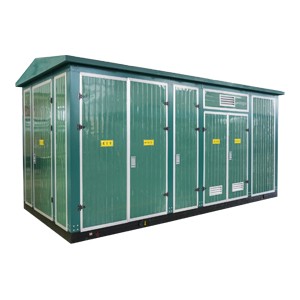
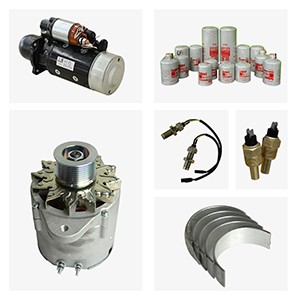
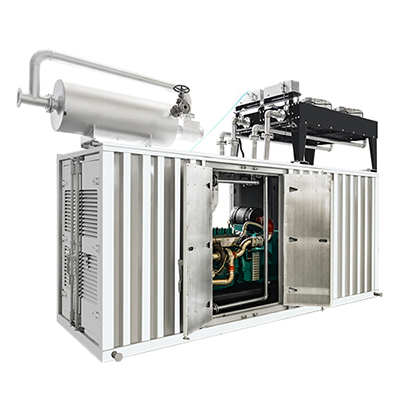
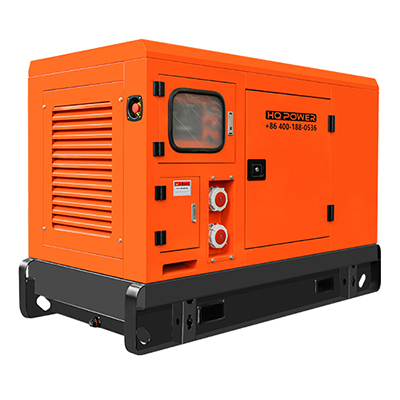


Что такое контейнерный генератор?
В связи с глобальным энергетическим переходом и ужесточением требований к готовности к чрезвычайным ситуациям гибкость, надежность и доступность энергоснабжения стали основными требованиями во всех отраслях промышленности. Контейнерные генераторы, как высокоинтегрированные модульные энергетические решения, объединяют основные компоненты, включая генераторные установки, системы управления, системы подачи топлива и системы шумоподавления в стандартном транспортном контейнере. Такая конструкция позволяет преодолеть ограничения традиционных генераторных установок, такие как громоздкость и плохая адаптируемость к окружающей среде. Благодаря своей мобильности, способности быстро реагировать и высокой стабильности, эти установки проникли в различные секторы, включая промышленное производство, реагирование на чрезвычайные ситуации и развитие инфраструктуры. В настоящее время они являются незаменимым элементом современных систем обеспечения энергоснабжения.
I. Контейнерный генератор
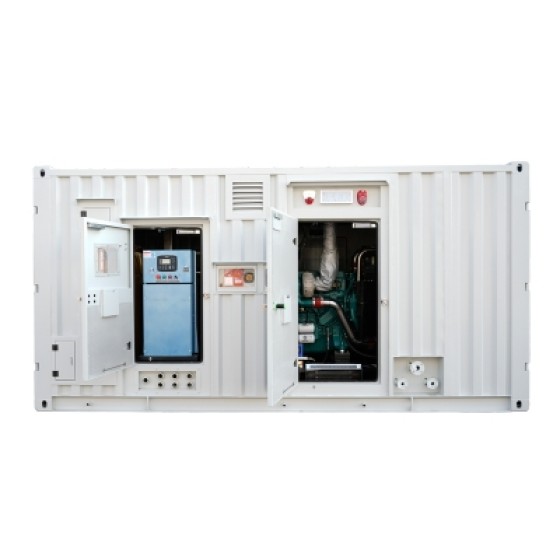
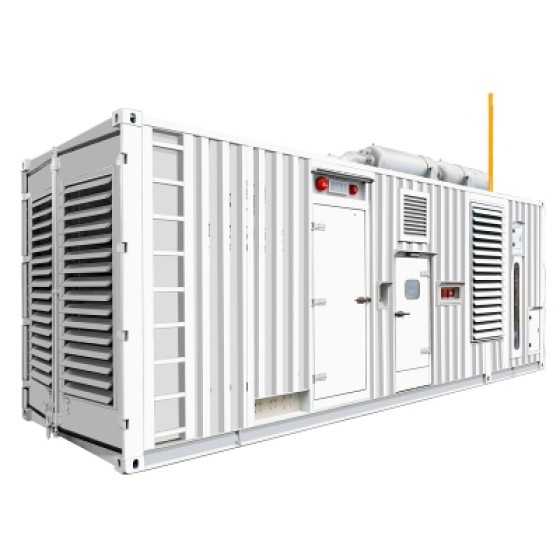
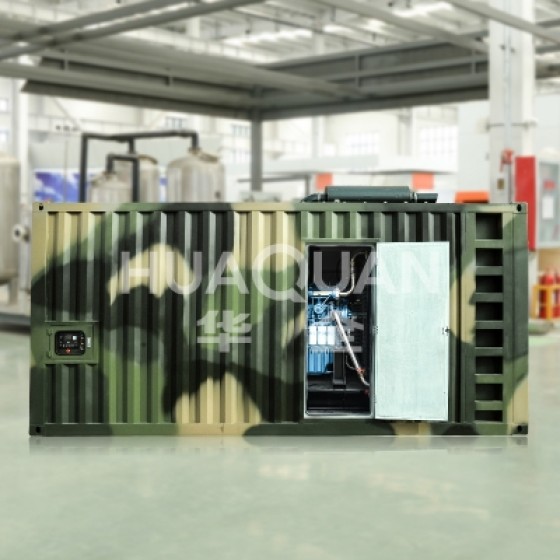
Контейнерный генератор, также известный как контейнерная генераторная установка, представляет собой специализированный блок питания, разработанный и изготовленный в соответствии со стандартами ISO для контейнеров. Его основная особенность заключается в бесшовной интеграции системы питания, системы управления и защитной конструкции, что обеспечивает решение для питания, которое «готово к транспортировке, готово к установке и готово к использованию». По сравнению с традиционными генераторами разъемного типа, их отличительными характеристиками являются «интеграция» и «стандартизация». Они не только выполняют основные функции по выработке электроэнергии, но и используют контейнерный корпус для комплексной защиты, адаптируясь к различным сценариям транспортировки и развертывания.
II. Huaquan: профессиональный производитель контейнерных генераторов
Являясь ведущим предприятием, специализирующимся на модульном энергетическом оборудовании, Huaquan сосредоточивает свою деятельность на высокотехнологичных исследованиях и разработках. Используя множество запатентованных технологий и строгую систему контроля качества, компания занимается разработкой, производством, продажей и полным циклом обслуживания контейнерных генераторов. Продукция тщательно разработана в соответствии со стандартами ISO для контейнеров и обладает множеством преимуществ, включая звукоизоляцию, пылезащиту, коррозионную стойкость и интеллектуальное управление. Охватывая широкий диапазон технических характеристик, она подходит для различных сценариев, таких как аварийное энергоснабжение, промышленное производство и инфраструктура. Также доступны индивидуальные решения. Благодаря зрелым производственным возможностям и комплексному послепродажному обслуживанию, Huaquan предоставляет стабильное, эффективное и надежное контейнерное энергетическое оборудование пользователям по всему миру, демонстрируя внушительную силу профессионального производителя.
III. Конструкция контейнерных генераторов
Основная конструкция контейнерных генераторов состоит из четырех основных модулей, каждый из которых работает в согласованном режиме для обеспечения стабильного и эффективного энергоснабжения:
1. Модуль питания: служит основным блоком генерации электроэнергии и в основном использует двигатели, работающие на дизельном топливе, природном газе или аналогичных источниках. В сочетании с бесщеточными генераторами с вращающимся полем он использует такие технологии, как четырехтактный цикл и турбонаддув с промежуточным охлаждением, для повышения эффективности сгорания. Диапазон выходной мощности очень широк — от нескольких сотен киловатт до нескольких тысяч киловатт, что позволяет гибко выбирать модель в зависимости от требований. Некоторые модели высокого класса также могут работать на нескольких видах топлива, включая мазут и гибридное топливо.
2. Контрольный модуль: стандартная конфигурация включает в себя цифровой дисплей LCD и электронный регулятор скорости. Модели премиум-класса оснащены интеллектуальной системой облачного мониторинга, функцией дистанционного запуска/остановки, системой раннего предупреждения о неисправностях и анализом энергоэффективности. Это позволяет осуществлять беспилотную эксплуатацию, подключение нескольких устройств к сети и автоматическое техническое обслуживание. Обеспечивается точное управление параметрами выработки электроэнергии, своевременное выявление эксплуатационных рисков и стабильное качество электроснабжения.
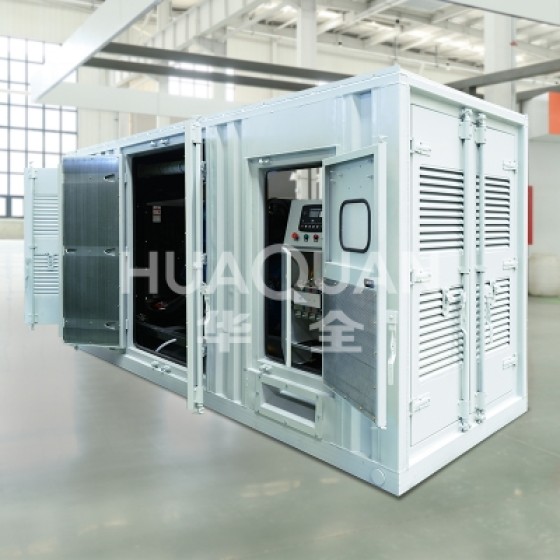
3. Защитные и вспомогательные модули: Корпус контейнера изготовлен из погодостойкой стали и оснащен звукоизоляцией, теплоизоляцией, пылезащитой и водонепроницаемыми конструкциями. Некоторые модели оснащены такими устройствами безопасности, как автоматические системы пожаротушения на основе гептана и моторизованные жалюзи. Одновременно интегрируя топливные баки, системы охлаждения и глушители, он защищает внутренние компоненты от воздействия агрессивной окружающей среды, эффективно снижая уровень шума при работе. Основные бесшумные модели поддерживают уровень шума ниже 65 децибел.
4. Конструкция: Внутри контейнера организованы отдельные отсеки, в которых размещены компоненты питания, управления и топливные компоненты, чтобы предотвратить взаимные помехи, повысить безопасность эксплуатации и надежность компонентов. Внешне соответствующие стандартным размерам контейнеров, 20-футовые контейнеры вмещают агрегаты мощностью до 1250 кВА, а 40-футовые контейнеры — агрегаты мощностью свыше 1250 кВА. Это позволяет использовать различные конфигурации размещения — штабелирование, размещение рядом или в шахматном порядке — что значительно оптимизирует использование площади на объекте.
IV. Технический выбор контейнерных генераторов
Выбор контейнерных генераторов требует всестороннего учета сценариев применения, требований к мощности, условий окружающей среды и бюджетных ограничений. Основные соображения касаются четырех ключевых аспектов: соответствие характеристик, адаптация к окружающей среде, соответствие нормативным требованиям и гарантия обслуживания, что обеспечивает научное руководство для практического применения:
1. Точное соответствие параметров мощности: уделяйте приоритетное внимание разграничению между основной и резервной мощностью, причем резервная мощность обычно превышает основную примерно на 10 %. Выбор должен основываться на требованиях к пиковой нагрузке и потребностях непрерывной работы, чтобы избежать потерь энергии из-за избыточности мощности или перебоев в подаче электроэнергии из-за недостаточной мощности.
2. Оптимизация адаптации к условиям окружающей среды: Стандартные модели подходят для высоты над уровнем моря ≤1000 м, температуры входящего воздуха ≤40 °C и относительной влажности ≤60 %. Для высокогорных регионов выбирайте модели с оптимизированными системами впуска. В условиях крайне низких температур усилить изоляцию и установить средства помощи при запуске в условиях низких температур. В условиях прибрежного соленого тумана отдавайте предпочтение коррозионно-стойким моделям, изготовленным из погодостойкой стали с электрическими компонентами, класс защиты которых не ниже IP23. В некоторых случаях может потребоваться дополнительное соответствие требованиям по сейсмической интенсивности до 9 баллов.
3. Рациональный выбор основных конфигураций: двигатели должны отдавать предпочтение известным брендам, таким как KMS, YC и WC, с использованием энергосберегающих технологий, включая четырехтактные циклы, турбонаддув с промежуточным охлаждением и системы высокого давления Common Rail. Системы управления должны выбираться исходя из эксплуатационных требований, с возможностью настройки премиальных сценариев с помощью интеллектуального облачного мониторинга, дистанционного запуска/остановки и функций оповещения о неисправностях. Конфигурации охлаждения и шумоподавления должны соответствовать контексту применения; бесшумные агрегаты должны соответствовать стандартам ISO 8528. Для критически важных применений может использоваться технология рассеивания теплового излучения для оптимизации конструкции агрегата, повышения тепловой эффективности и снижения расхода топлива.
4. Соответствие требованиям и гарантия обслуживания: Продукты должны соответствовать международным и национальным стандартам, таким как ISO 8528 и GB/T 2820, а также отвечать национальным требованиям по выбросам в окружающую среду и местным стандартам по контролю шума. При выборе моделей необходимо учитывать сервисную сеть производителя; в чрезвычайных ситуациях приоритет следует отдавать производителям, предлагающим быстрое обслуживание и достаточное количество запасных частей.
V. Часто задаваемые вопросы о контейнерных генераторах
1. Каков уровень шумоподавления контейнерных генераторов?
Контейнерные генераторы имеют встроенные звукоизолирующие конструкции и оснащены глушителями, что обеспечивает превосходные характеристики шумоподавления. Основные бесшумные модели могут поддерживать уровень шума ниже 65 децибел, что делает их подходящими для сценариев с жесткими требованиями к шуму (таких как центры обработки данных или временное энергоснабжение вблизи жилых районов).
2. Каковы будущие тенденции развития в отрасли контейнерных генераторов?
Экологический переход: гибридные энергетические системы и интегрированные технологии хранения энергии станут широко распространенными, наряду с внедрением энергосберегающих технологий, таких как радиационное рассеивание тепла. Исследование новых источников энергии, включая биотопливо и водородные двигатели внутреннего сгорания, будет способствовать энергосбережению и сокращению выбросов углерода.
Интеллектуализация: достижение полностью автоматизированной эксплуатации и технического обслуживания для высококлассных моделей, интеграция модулей управления с IoT и искусственным интеллектом для обеспечения удаленного регулирования, прогнозирования неисправностей и интеллектуальной диспетчеризации микросетей;
Синергия между стандартизацией и индивидуализацией: дальнейшее внедрение стандартов ISO для повышения взаимозаменяемости компонентов, а также внедрение индивидуальных моделей для специализированных сценариев с целью расширения сферы применения;
Глобализация: использование преимуществ модульной технологии для экспорта продуктов и решений, участие в развитии глобальных центров обработки данных и инфраструктуры.
3. На фоне «зеленой» трансформации, какие инновационные меры были реализованы для повышения энергоэффективности и сокращения потребления энергии в контейнерных генераторах?
Во-первых, внедрение энергосберегающих технологий, таких как четырехтактные двигатели, турбонаддув с промежуточным охлаждением и системы высокого давления Common Rail для повышения эффективности сгорания. Во-вторых, продвижение технологии радиационного теплоотвода, которая может повысить эффективность охлаждения на 30-50% при одновременном снижении расхода топлива на 5-10%. В-третьих, интеграция решений «дизельный генератор + накопитель энергии» для оптимизации эффективности использования энергии, а также одновременное изучение новых источников энергии, таких как биотопливо и водородные двигатели внутреннего сгорания, для поддержки достижения целей по нулевому выбросу углерода.
VI. Сценарии применения контейнерных генераторов
Контейнерные генераторы превзошли ограничения традиционных источников аварийного питания, и их применение выходит далеко за рамки обычных чрезвычайных ситуаций. В настоящее время они образуют комплексную структуру применения, охватывающую «аварийную поддержку + регулярное энергоснабжение + специализированные сценарии», что значительно расширяет возможности различных отраслей промышленности:
1. Сценарии аварийного энергоснабжения: обеспечение жизненно важных электросетей
Во время внезапных событий, таких как стихийные бедствия (землетрясения, наводнения, тайфуны), сбои в работе электросетей или техническое обслуживание линий электропередач, контейнерные генераторы могут быть быстро развернуты для обеспечения аварийного энергоснабжения критически важных объектов, включая больницы, школы, населенные пункты и транспортные узлы. Это обеспечивает непрерывную работу важных объектов, таких как медицинское оборудование, освещение и средства связи, тем самым сводя к минимуму убытки, вызванные стихийными бедствиями или сбоями. Кроме того, во время крупных мероприятий (выставок, спортивных соревнований) и временных собраний они служат в качестве резервных источников питания для снижения риска внезапных отключений электроэнергии, обеспечивая бесперебойное проведение мероприятий. Они являются важным оборудованием в системах управления чрезвычайными ситуациями.
2. Промышленные производственные объекты: основная опора для стабильного энергоснабжения
На промышленных объектах, таких как горнодобывающие предприятия, нефтехимические заводы, производственные предприятия и портовые терминалы, контейнерные генераторы служат в качестве основного или резервного источника питания. Они компенсируют колебания и перебои в электросети, обеспечивая непрерывную работу производственных линий и предотвращая экономические потери от перебоев в энергоснабжении. Особенно в удаленных горнодобывающих районах, на нефтяных месторождениях и в других районах, не подключенных к электросети, они могут служить в качестве стандартного энергетического оборудования. В сочетании с возобновляемыми источниками энергии, такими как солнечная и ветровая энергия, они образуют микросети, обеспечивающие экологически чистую и эффективную энергию. Это снижает промышленные затраты на энергию и воздействие на окружающую среду, а некоторые модели, совместимые с тяжелым топливом, еще больше снижают затраты на выработку энергии.
3. Применение в инфраструктуре: ускорение темпов строительства и модернизации
В проектах по строительству наружной инфраструктуры, таких как автомагистрали, железные дороги и мосты, где строительные площадки разбросаны и отсутствуют стационарные источники электропитания, контейнерные генераторы можно гибко перемещать в соответствии с ходом строительства. Они обеспечивают стабильное электропитание для строительной техники и временных офисных помещений, тем самым ускоряя развитие инфраструктуры. Контейнерные генераторы также широко применяются в центрах обработки данных, базовых станциях телекоммуникаций и в сценариях энергоснабжения островов. Центры обработки данных требуют высокой стабильности питания и низкого уровня шума; эти генераторы служат в качестве резервных источников питания, отвечая требованиям по контролю PUE. В сценариях с островными и удаленными телекоммуникационными базовыми станциями их устойчивость к погодным условиям и мобильность эффективно решают проблемы с электроснабжением. Специализированные модели с улучшенной антикоррозионной конструкцией отлично работают в прибрежных условиях с солевым туманом, обеспечивая нормальную работу средств связи и мониторинга.
В целом, контейнерные генераторы, как основное оборудование в модульных системах энергоснабжения, играют все более важную роль в энергетическом переходе и обеспечении безопасности электроснабжения благодаря своим интегрированным преимуществам и технологическому развитию. В перспективе, с продолжающимися прорывами в области экологичных и интеллектуальных технологий, они будут еще больше адаптироваться к разнообразным эксплуатационным требованиям, способствуя повышению эффективности, надежности и экологической устойчивости систем энергоснабжения. Это делает их незаменимым компонентом глобальной сети энергетической безопасности.