XN(XN6E)-A-DTLS-300x300.jpg)
-300x300.jpg)
-300x300.jpg)
XN(XN4ES)-Z珊瑚红-300x300.png)
-300x300.jpg)
-300x300.jpg)


Скрытая сила строительных площадок: подробный обзор генераторов для строительных площадок
Среди шума и суеты строительной площадки, где вращаются башенные краны, ревут бетономешалки и летят искры от сварки, упорядоченное продвижение каждого этапа строительства зависит от стабильного энергоснабжения. Когда муниципальная электросеть не справляется с нагрузкой, возникает срочная потребность во временном электроснабжении или неожиданные отключения электроэнергии останавливают работы, на помощь приходят генераторы для строительных площадок. Они становятся «энергетическим сердцем» строительной площадки, обеспечивая соблюдение сроков проекта и безопасность строительства благодаря стабильному потоку электроэнергии. Таким образом, эти генераторы стали незаменимым основным оборудованием в строительной отрасли.
I. Генератор для строительных площадок
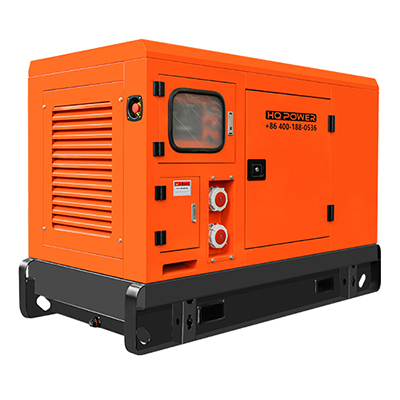
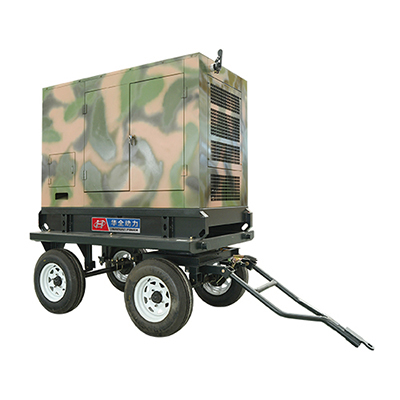
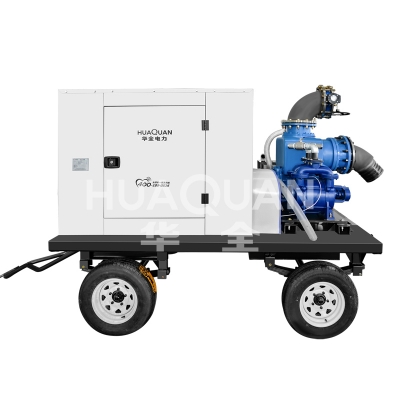
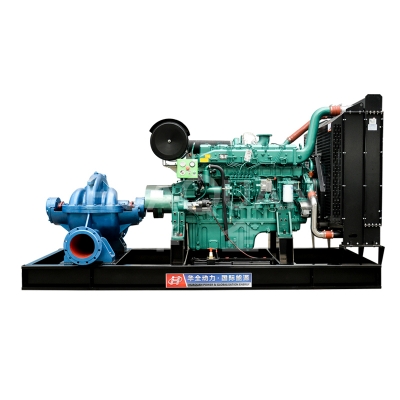
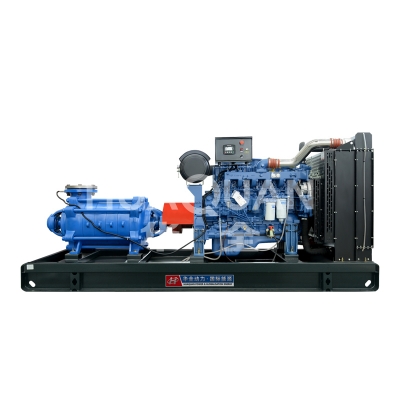
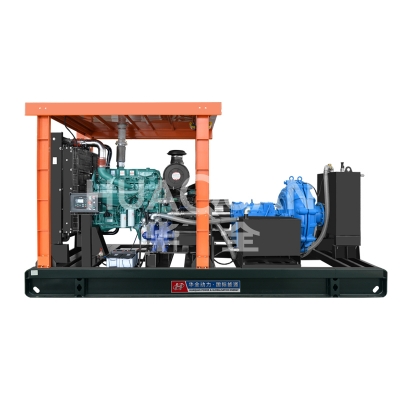
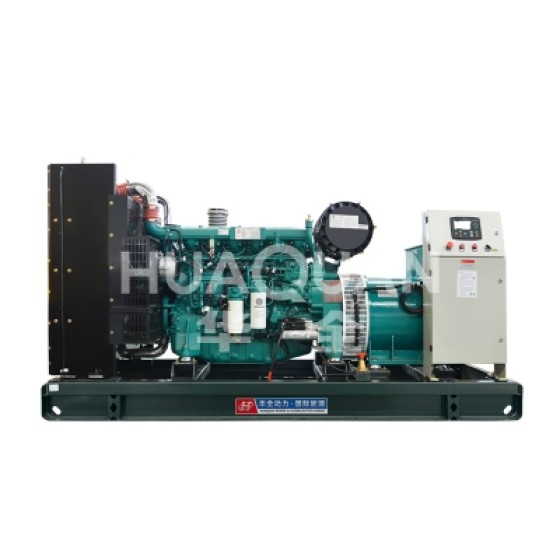
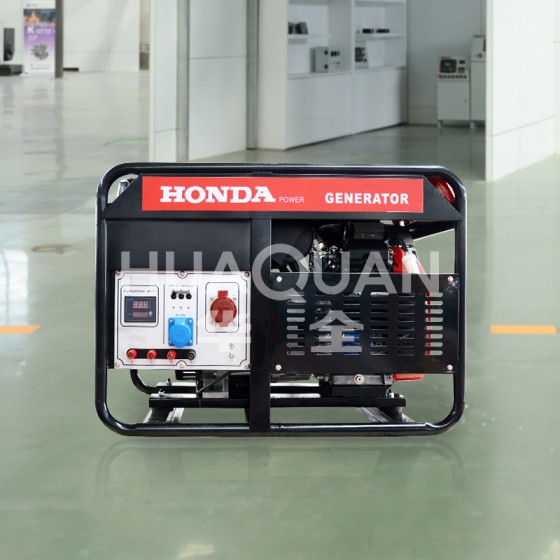
Генераторы для строительных площадок — это специализированное энергетическое оборудование, предназначенное для использования на строительных площадках. В основном они работают на дизельном топливе или бензине (некоторые модели используют новые источники энергии) и оснащены двигателями, которые приводят в действие генераторы и производят электроэнергию. Эти устройства решают проблемы недостаточного покрытия муниципальной электросетью, временных потребностей в электроэнергии или непредвиденных отключений на строительных площадках. Они обеспечивают стабильное временное электроснабжение строительной техники, временных офисов и жилых помещений, знаков безопасности и других важных объектов, обеспечивая упорядоченное выполнение строительных работ. Являясь незаменимым временным энергетическим оборудованием, они играют важную роль в строительных проектах.
II. Huaquan: профессиональный производитель генераторов для строительных площадок
Huaquan, как ведущий производитель, специализирующийся на энергетических решениях, стремится обеспечить стабильное и надежное энергоснабжение строительных и инженерных объектов по всему миру. Мы глубоко понимаем сложность и высокие требования строительной среды. Поэтому каждый генератор Huaquan проходит тщательную разработку и производство, обеспечивая исключительную долговечность, надежную адаптируемость к нагрузкам и эффективную экономию топлива. Это гарантирует непрерывную и стабильную работу даже в сложных условиях, таких как пыль, вибрация и значительные колебания температуры. От обеспечения энергией крупных инфраструктурных проектов до предоставления независимой энергетической поддержки удаленных объектов, Huaquan использует инновационные технологии, строгий контроль качества и разветвленную сервисную сеть, чтобы обеспечить надежное и бесперебойное энергоснабжение, которое является основой успешного строительства. Huaquan — не просто поставщик оборудования для выработки электроэнергии, мы — надежный партнер в области энергетики для инженерных проектов.
III. Типы генераторов для строительных площадок
Строительные площадки различаются по масштабу, требованиям к электрической нагрузке и условиям на месте, что требует использования различных типов генераторов. В настоящее время генераторы, обычно используемые на строительных площадках, делятся на две основные категории: дизельные генераторы и бензиновые генераторы. Среди них дизельные генераторы стали предпочтительным выбором для подавляющего большинства площадок благодаря своей эффективности, долговечности и высокой мощности.
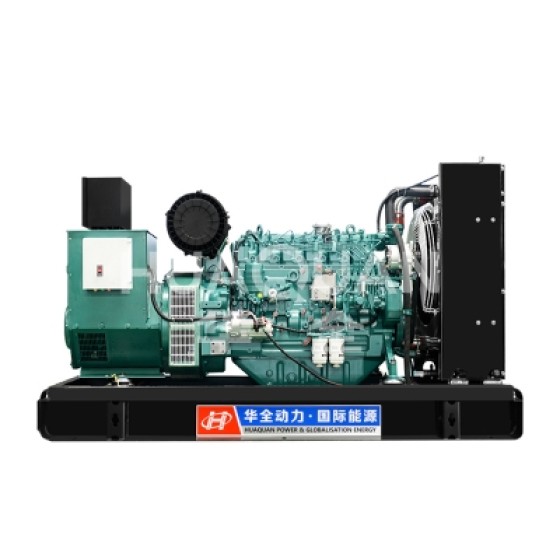
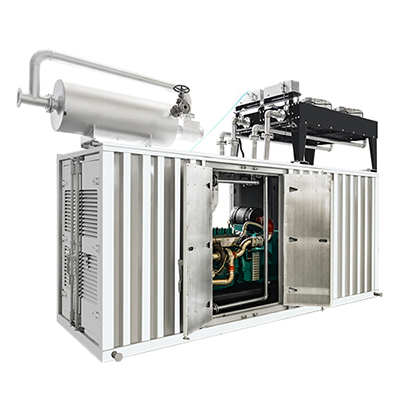
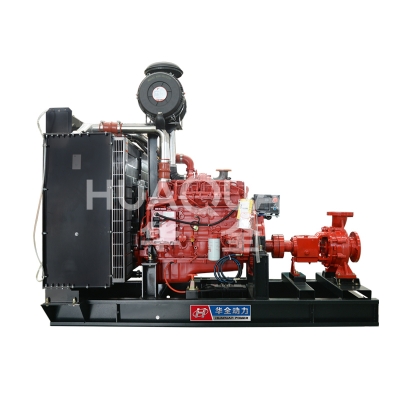
1. Дизельные генераторы используют дизельное топливо, приводящее в действие генератор переменного тока для производства электроэнергии. Они характеризуются широким диапазоном мощности, низким расходом топлива, высокой выносливостью и устойчивостью в суровых условиях и хорошо подходят для крупных объектов и долгосрочных строительных проектов. Эти генераторы могут удовлетворить потребности в непрерывном питании высокомощного оборудования, такого как башенные краны и бетоносмесительные установки. Их мощность варьируется от десятков до сотен киловатт, что позволяет гибко выбирать генератор в зависимости от фактической нагрузки на объекте. Некоторые крупные строительные площадки также используют несколько дизельных генераторов параллельно, чтобы обеспечить стабильное и резервное энергоснабжение.
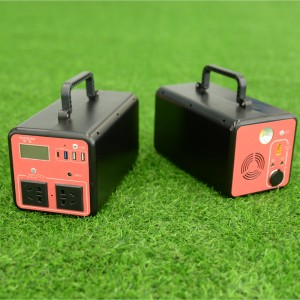
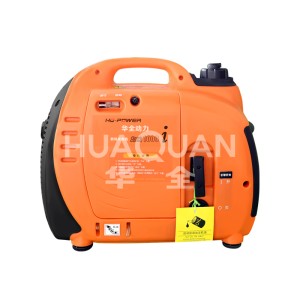
2. Бензиновые генераторы используют бензин в качестве топлива и обладают такими преимуществами, как компактный размер, легкий вес, простота запуска и относительно низкий уровень шума. Они хорошо подходят для небольших строительных площадок, временных рабочих помещений или ситуаций, когда требуется аварийное энергоснабжение, например, для маломощных приложений в небольших ремонтных проектах, временной подачи воды или мобильного освещения. Однако из-за более высокого расхода топлива, ограниченной мощности и меньшей выносливости по сравнению с дизельными генераторами они, как правило, не подходят для долгосрочного энергоснабжения строительных площадок с высокой потребляемой мощностью.
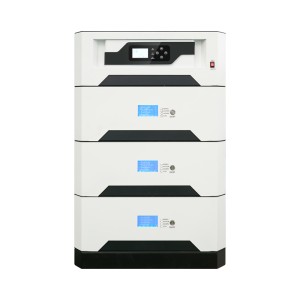
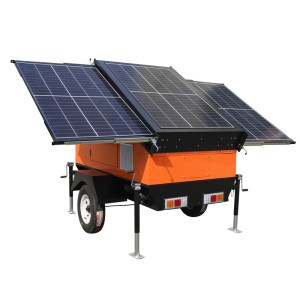
С ростом экологической осведомленности в последние годы постепенно внедряются новые энергетические генераторы для строительных площадок, такие как генераторы на солнечной энергии и генераторы на водороде. Эти генераторы обладают такими преимуществами, как нулевые выбросы, низкий уровень шума и сниженное энергопотребление, что делает их подходящими для строительных площадок или временных рабочих мест с жесткими экологическими требованиями. Однако они по-прежнему значительно ограничены экологическими факторами, такими как доступность солнечного света. В результате они еще не получили широкого распространения и в настоящее время служат важным дополнением к традиционным генераторам, работающим на топливе.
IV. Правильное использование и техническое обслуживание генераторов на строительных площадках
Безопасная эксплуатация и надлежащее техническое обслуживание генераторов на строительных площадках не только влияют на срок службы оборудования, но и напрямую сказываются на безопасности персонала и эффективности строительных работ на объекте. Учитывая сложные условия на строительной площадке, характеризующиеся высоким уровнем запыленности, наличием песка, гравия и дождевой воды, а также высокой текучестью кадров, неправильная эксплуатация или несвоевременное техническое обслуживание могут легко привести к выходу оборудования из строя, утечке электричества, пожарам и другим угрозам безопасности. Поэтому освоение правильных методов использования и техники технического обслуживания является важной составляющей управления безопасностью на строительных площадках.
1. Что касается использования, сначала убедитесь, что генератор установлен на ровной, сухой и хорошо вентилируемой поверхности, вдали от легковоспламеняющихся или взрывоопасных материалов, а также защищен от попадания пыли и дождя в оборудование. Во-вторых, перед запуском необходимо проверить уровень топлива, моторного масла и охлаждающей жидкости. Проверьте все электрические соединения, чтобы убедиться в их надежности. Начинайте работу только после подтверждения всех проверок. После запуска дайте генератору поработать на холостом ходу в течение некоторого времени, пока он не стабилизируется, прежде чем подключать какую-либо нагрузку. Кроме того, генератор должен эксплуатироваться исключительно квалифицированным персоналом. Неуполномоченным лицам строго запрещается запускать, настраивать или демонтировать оборудование. Во время работы необходимо носить соответствующие средства защиты и строго соблюдать все эксплуатационные процедуры.
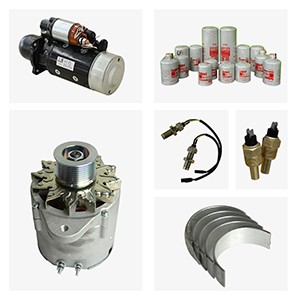
2. Что касается технического обслуживания, необходимо составить график регулярного обслуживания. Периодически проверяйте двигатель генератора, генератор переменного тока, проводку и другие компоненты. Своевременно очищайте поверхность оборудования от пыли и масляных остатков, проверяйте износ компонентов и устраняйте любые проблемы путем своевременного ремонта или замены. Регулярно заменяйте расходные материалы, такие как моторное масло, фильтры и охлаждающая жидкость, чтобы обеспечить оптимальное рабочее состояние оборудования. Когда генератор не используется в течение длительного времени, его необходимо хранить надлежащим образом. Топливо и моторное масло должны быть слиты, а также должны быть приняты меры по защите от пыли и влаги, чтобы предотвратить старение и повреждение оборудования.
3. Кроме того, использование генераторов для строительных площадок должно соответствовать требованиям по охране окружающей среды. Следует избегать утечек топлива, которые могут привести к загрязнению почвы или водных источников. Необходимо разумно организовать время работы, чтобы минимизировать воздействие шума на окружающую среду, тем самым соблюдая принципы экологичного строительства.
V. Часто задаваемые вопросы о генераторах для строительных площадок
1. Как определить необходимую мощность генератора?
Основной принцип: общая мощность должна превышать суммарное пиковое энергопотребление всего оборудования, работающего одновременно, с достаточным запасом мощности. Особое внимание следует уделить расчету пускового тока для оборудования с двигателем (например, сварочных аппаратов и водяных насосов), который может достигать 4-7 раз номинальной мощности. Рекомендуется увеличить рассчитанную общую мощность на 10-20% в качестве основы для выбора. В высокогорных регионах также необходимо учитывать потери мощности из-за высоты над уровнем моря.
2. Каково будущее развитие генераторов для строительных площадок?
Основное внимание уделяется повышению эффективности, экологической устойчивости и интеллектуальному управлению. Традиционные генераторы, работающие на топливе, будут подвергаться технологическим усовершенствованиям с целью снижения потребления топлива и выбросов. Что касается интеллектуальных функций, то широкое распространение получат функции интеллектуального мониторинга и дистанционного управления, которые облегчат мониторинг состояния оборудования в режиме реального времени. Продолжится исследование и применение новых энергетических генераторов, что позволит постепенно перейти к экологически чистому энергоснабжению с низким уровнем выбросов углерода.
3. Как следует реагировать на чрезвычайную ситуацию, когда генератор для строительных площадок внезапно выходит из строя и отключается?
Во-первых, попросите квалифицированного специалиста отключить генератор и отсоединить источник питания. Выясните причину неисправности, уделив особое внимание проверке уровня топлива, моторного масла и охлаждающей жидкости, чтобы убедиться, что они находятся в норме, а также проверьте, не ослаблены ли какие-либо соединения проводки. Если неисправность простая (например, низкий уровень масла), устраните ее и попытайтесь перезапустить генератор. Если неисправность сложная (например, отказ двигателя), немедленно прекратите использование и обратитесь к профессиональному техническому персоналу для ремонта. Ни в коем случае не пытайтесь самостоятельно разбирать оборудование, чтобы не создать угрозу безопасности.
VI. Сценарии применения генераторов для строительных площадок
1. Удаленные/автономные строительные площадки: служат единственным источником питания на удаленных строительных площадках, не подключенных к городской электросети, обеспечивая работу оборудования и базовые потребности персонала в электроэнергии на всей площадке.
2. Аварийное энергоснабжение во время внезапных отключений электроэнергии: быстро активируется для преодоления перебоев в энергоснабжении во время перебоев в электросети (например, грозы, неисправности линий), предотвращая простои критически важного оборудования, такого как башенные краны и бетононасосы. Это сводит к минимуму задержки в строительстве и снижает риски для безопасности.
3. Временное энергоснабжение строительной площадки: охватывает все этапы строительства, обеспечивая электроэнергией различное оборудование, включая оборудование для рытья фундамента (водяные насосы, экскаваторы), основные строительные работы (башенные краны, бетонные заводы) и отделочные работы (сварочные аппараты).
4. Временное вспомогательное энергоснабжение: обеспечение электроэнергией для освещения, кондиционирования воздуха и зарядных устройств в офисах и жилых блоках на строительной площадке, а также обеспечение надлежащего функционирования периметральных сигнальных огней и оборудования для наблюдения в целях усиления мер безопасности на строительстве.
От обеспечения аварийного энергоснабжения на удаленных строительных площадках до непрерывной поддержки крупномасштабных проектов — генераторы для строительных площадок по-прежнему неизменно используются на передовой строительных работ. Их надежное энергоснабжение обеспечивает бесперебойное выполнение каждого проекта. Они являются не только оборудованием для выработки электроэнергии, но и свидетелями и движущей силой прогресса в строительной отрасли. Благодаря постоянному технологическому прогрессу, генераторы для строительных площадок будут подвергаться постоянным усовершенствованиям и оптимизации. Они будут играть все более важную роль в обеспечении безопасности строительства, повышении операционной эффективности и соблюдении экологических принципов, тем самым обеспечивая стабильный поток «энергии» для высококачественного развития строительной отрасли.
-J红色带水印-560x560.jpg)