XN(XN6E)-A-DTLS-300x300.jpg)
-300x300.jpg)
-300x300.jpg)
XN(XN4ES)-Z珊瑚红-300x300.png)
-300x300.jpg)
-300x300.jpg)


Генераторное оборудование — скрытый двигатель современной цивилизации
В современном обществе электроэнергия является основной движущей силой цивилизации, а генераторное оборудование выполняет функцию «преобразователя энергии», превращая различные виды первичной энергии в электричество. Оно является основным средством обеспечения энергоснабжения и модернизации энергетических структур. От гудящих фабрик промышленного производства до ярко освещенных домов повседневной жизни, от энергоснабжения отдаленных регионов до поддержки крупных национальных проектов — каждое обновление и модернизация генераторного оборудования идет в ногу с прогрессом человеческого общества, открывая новые главы в истории использования энергии.
I. Генераторное оборудование
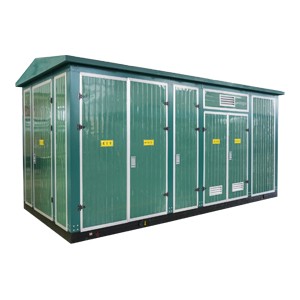
Генераторное оборудование представляет собой полный набор механизмов, предназначенных для преобразования различных видов энергии, таких как энергия водного потока, воздушного потока, сгорания топлива или ядерного распада, в электрическую энергию. Его основная задача — обеспечить эффективное преобразование энергии и стабильную производительность. Полная система генерации электроэнергии обычно состоит не из одной машины, а из интегрированной системы взаимодействующих компонентов, в первую очередь включающей двигатели, генераторы, системы энергоснабжения и преобразования энергии, а также вспомогательные системы и оборудование управления. Являясь основным источником производства электроэнергии и отправной точкой для любой энергетической системы, техническая сложность и рабочее состояние оборудования для генерации электроэнергии напрямую определяют масштаб, качество, экономическую эффективность и экологическую устойчивость производства электроэнергии.
II. Huaquan: профессиональный производитель генераторного оборудования
Как специализированный производитель генераторного оборудования с глубокими корнями в энергетическом секторе, Huaquan остается верным своему курсу на предоставление надежных, эффективных и экологически чистых энергетических решений для клиентов по всему миру. Компания специализируется на исследованиях, разработке, производстве и системной интеграции дизельных и газовых генераторных установок. Широкий диапазон выходной мощности позволяет удовлетворить разнообразные потребности, включая основное энергоснабжение коммерческих и промышленных объектов, резервное энергоснабжение центров обработки данных, автономное энергоснабжение островов и горнодобывающих районов, а также применение в системах аварийного реагирования. Следуя принципам технологического лидерства и бережливого производства, компания гарантирует, что каждое устройство станет надежным источником энергии благодаря строгой системе контроля качества и обширной глобальной сервисной сети. Выбрать Huaquan — значит выбрать надежную энергетическую безопасность и надежного партнера.
III. Типы генераторного оборудования Huaquan
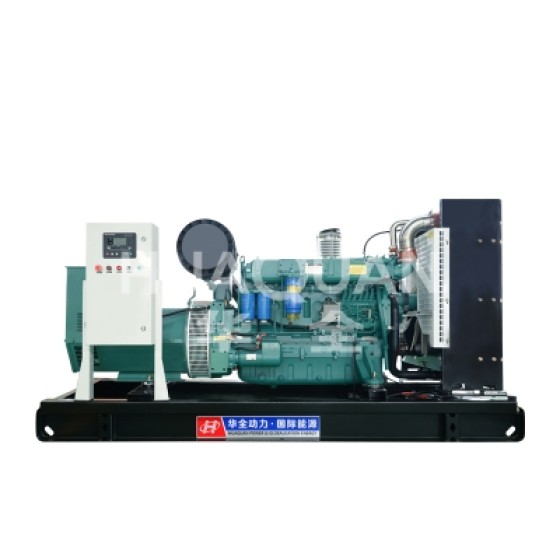
1. Дизельные генераторные установки
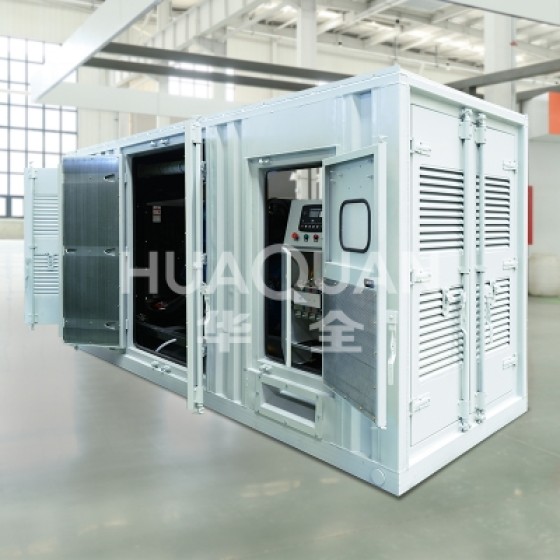
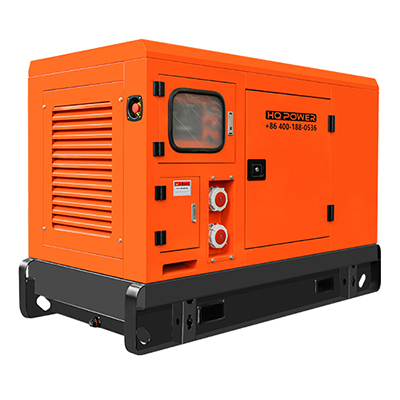
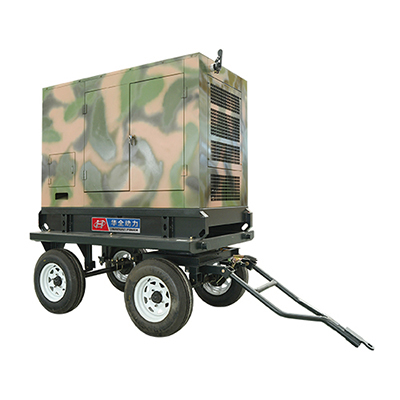
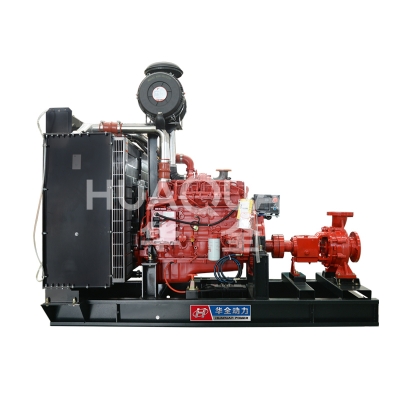
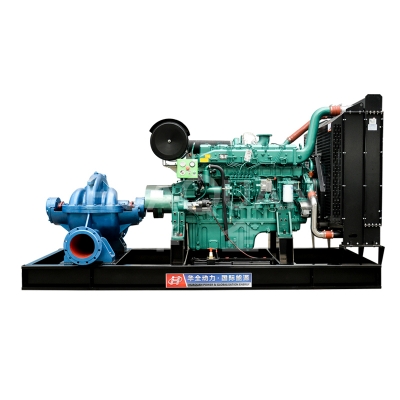
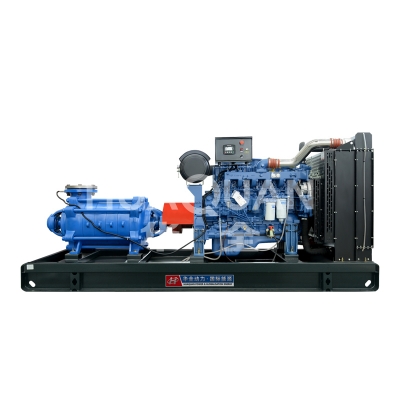
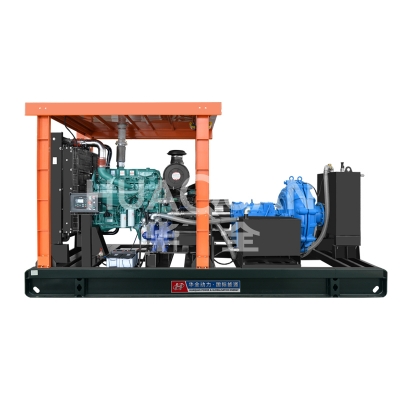
Мы предлагаем комплексные решения для генераторных установок среднего и высокого напряжения (3300–13800 В), в основном в конфигурациях с открытой рамой, звукоизоляцией, в контейнерах и на прицепах. Они широко используются в центрах обработки данных, для аварийного энергоснабжения горнодобывающих предприятий, на станциях непрерывного энергоснабжения, в национальных банках, на рынках телекоммуникаций, в нефтяных системах, системах здравоохранения и в крупных промышленных применениях.
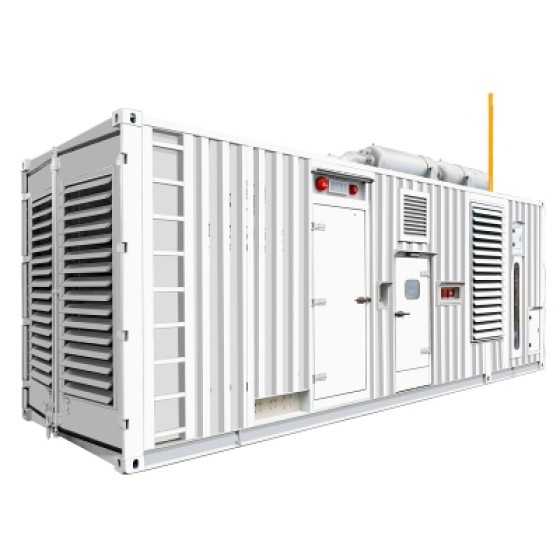
2. Газовые энергетические установки
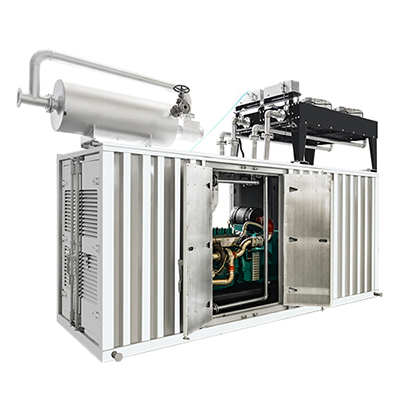
Газовые энергетические установки представляют собой новое поколение технологий производства электроэнергии, разработанное с учетом глобальных экологических требований и меняющихся рыночных условий. Эти установки используют в качестве топлива различные виды природного газа или отработанные газы, преобразуя отходы в ценные ресурсы. Они обеспечивают безопасную и удобную эксплуатацию, высокую экономическую эффективность, низкий уровень выбросов и хорошо подходят для комбинированного производства тепла и электроэнергии. Таким образом, они служат новым экологически чистым источником энергии, заменяющим установки, работающие на нефти и угле.
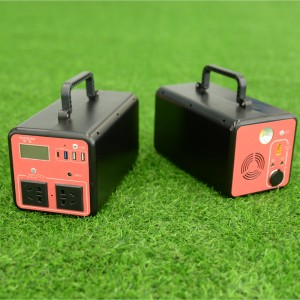
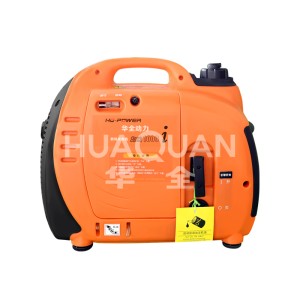
3. Портативный генератор
Портативные генераторы Huaquan оснащены роликами или складными ручками и имеют несколько систем защиты, включая защиту от перегрузки и автоматическое отключение при низком давлении масла или высокой температуре, что эффективно предотвращает повреждение оборудования. Кроме того, устройство можно перемещать одной рукой, что обеспечивает удобство и быстроту перемещения.
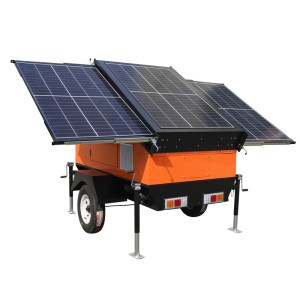
4. Осветительная установка
Осветительная установка имеет функции поворота на 360°, дистанционного управления, индивидуальной работы, гидравлической поддержки, сброса одним нажатием, регулировки высоты одним нажатием, а также встроенного освещения и генерации электроэнергии. Она установлена на высокоскоростном мобильном прицепе с высотой подъема 2,5–12 метров.
IV. Тенденции развития генераторного оборудования
В будущем, по мере глубокой интеграции таких технологий, как искусственный интеллект, большие данные и Интернет вещей, в оборудование для производства электроэнергии, интеллектуализация станет одним из ключевых направлений развития. Благодаря внедрению интеллектуальных систем мониторинга и систем раннего предупреждения о неисправностях будет обеспечен мониторинг рабочего состояния оборудования в режиме реального времени, точное регулирование и заблаговременное прогнозирование неисправностей. Это позволит снизить эксплуатационные и ремонтные расходы и повысить стабильность работы. Одновременно с этим новое энергетическое оборудование будет развиваться в направлении увеличения мощности, повышения эффективности и усиления устойчивости к экстремальным условиям окружающей среды. Такие технологии, как морская ветровая энергетика, интегрированные фотоэлектрические системы хранения энергии и производство электроэнергии с использованием сверхкритического диоксида углерода, будут продолжать развиваться, что приведет к дальнейшему повышению эффективности использования чистой энергии. Кроме того, преобладающей тенденцией станет появление мультиэнергетических комплементарных систем генерации электроэнергии. Благодаря органичной интеграции традиционного и возобновляемого оборудования для генерации энергии, эти системы будут использовать взаимодополняющие преимущества для решения проблем, связанных с перебоями и нестабильностью производства возобновляемой энергии, тем самым обеспечивая безопасную и стабильную работу энергосистем.
V. Вопросы и ответы о генераторном оборудовании
1. Чем отличаются основные функции генераторного оборудования из традиционных источников от генераторного оборудования из новых источников?
Оборудование для производства электроэнергии из традиционных источников служит «балластом» электроснабжения, характеризуется зрелой технологией и стабильной подачей электроэнергии. Оборудование для производства электроэнергии из новых источников составляет «основную силу» в переходе к зеленой энергетике, уделяя приоритетное внимание производству чистой и устойчивой энергии.
2. Каковы основные эксплуатационные требования?
Генераторное оборудование должно эксплуатироваться в строгом соответствии с установленными процедурами. Основные требования включают: стабильную работу в пределах номинальных параметров, тщательный мониторинг критических показателей, таких как температура и давление, а также регулярные проверки с записью эксплуатационных данных.
3. Каковы ключевые моменты регулярного технического обслуживания и проверки?
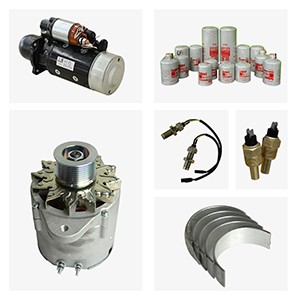
Регулярные проверки: проверьте крепежные детали и электрические соединения на наличие ослабления, убедитесь в надежности установки оборудования и удалите мусор вокруг него.
Проверка изоляции: проверьте проводку и изоляцию катушек на наличие износа, старения или повреждений.
Обмотки и катушки: проверьте катушки возбуждения и обмотки статора на наличие признаков перегрева, подгорания или ослабления соединений.
Вентиляция и охлаждение: убедитесь в отсутствии аномальных температур на корпусах оборудования и обеспечьте беспрепятственную вентиляцию.
Подшипники и вентиляторы: оцените состояние подшипников (некоторые из них не требуют обслуживания), проверьте охлаждающие вентиляторы на наличие скоплений мусора или поврежденных лопастей.
VI. Сценарии применения генераторного оборудования
1. Тепловое генераторное оборудование (дизельные, бензиновые, паротурбинные агрегаты): дизельные генераторные установки подходят для центров обработки данных, полевых операций, аварийного энергоснабжения и энергоснабжения отдаленных районов, служа в качестве основных резервных и временных источников энергии; паротурбинные агрегаты используются на крупных тепловых электростанциях для обеспечения промышленного производства и централизованного энергоснабжения городов.
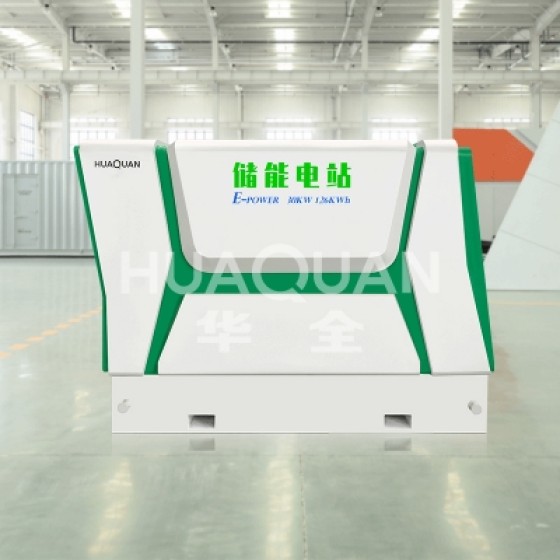
2. Фотоэлектрические энергетические установки: они включают в себя крупные фотоэлектрические электростанции (расположенные в солнечных пустынях и на равнинах) и распределенные компоненты (установленные на крышах жилых домов, промышленных зданий и сельскохозяйственных теплиц), что позволяет реализовать принцип «самостоятельного производства для собственного потребления с подачей излишков электроэнергии в сеть».
3. Биогазовые генераторные установки: подходят для сельскохозяйственных зон и промышленных очистных сооружений органических сточных вод, позволяя восстанавливать ресурсы за счет выработки электроэнергии при переработке отходов.
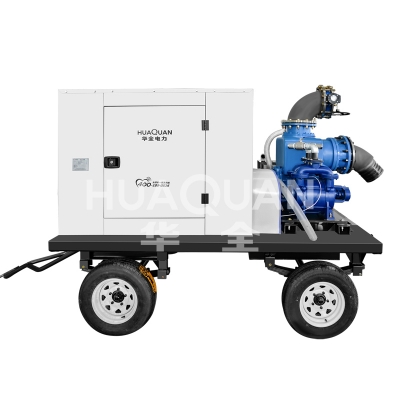
4. Мобильные генераторные установки: для полевых работ, реагирования на чрезвычайные ситуации и временного энергоснабжения при проведении крупных мероприятий (компактный размер, легко транспортируются).
5. Бесшумные генераторные установки: жилые районы, больницы, школы (среда, чувствительная к шуму).
6. Основное оборудование для электроснабжения: подходит для сценариев, требующих непрерывного и стабильного электроснабжения (например, заводы, крупные кампусы). Резервное оборудование для электроснабжения: предназначено для критических сценариев, требующих защиты от внезапных отключений электроэнергии (например, больницы, центры обработки данных).
Генераторное оборудование, являющееся основным аппаратом электроэнергетической промышленности, составляет жизненно важную основу для обеспечения энергетической безопасности, продвижения энергетического перехода и поддержки высококачественного социально-экономического развития. Будь то постоянное техническое обслуживание и модернизация традиционных энергетических установок или инновации и прорывы в области новых систем генерации энергии, его основная миссия остается неизменной: обеспечить человеческое общество надежной, стабильной, эффективной и чистой электроэнергией. На фоне энергетической трансформации сектор генераторного оборудования сталкивается с новыми возможностями и вызовами. Только благодаря постоянным технологическим инновациям, ускоренной модернизации продукции и оптимизации промышленных структур он сможет более эффективно способствовать энергетической трансформации, укреплять основы энергетического сектора и оказывать надежную поддержку в достижении двойных целей по сокращению выбросов углерода и продвижении устойчивого развития человеческой цивилизации.