XN(XN6E)-A-DTLS-300x300.jpg)
-300x300.jpg)
-300x300.jpg)
XN(XN4ES)-Z珊瑚红-300x300.png)
-300x300.jpg)
-300x300.jpg)
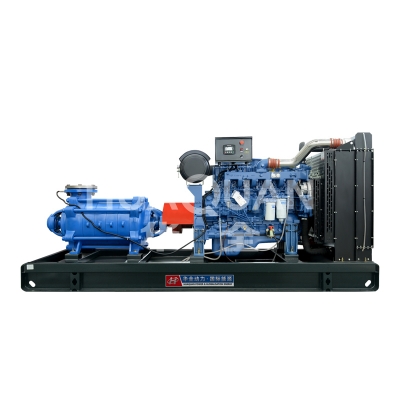
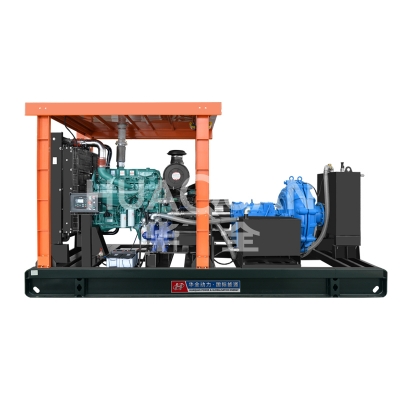


Тенденции рынка генераторов для телекоммуникационной промышленности
В эпоху цифровых технологий круглосуточная бесперебойная работа сетей связи стала фундаментальной гарантией функционирования общества. Являясь важнейшими источниками резервного питания, генераторы для телекоммуникационной промышленности обеспечивают стабильную работу глобальной телекоммуникационной инфраструктуры благодаря профессиональному техническому проектированию и надежной работе. От густонаселенных городских коммуникационных башен до удаленных базовых станций, от крупных центров обработки данных до центров экстренной связи — эти специализированные генераторы служат «хранителями энергии», защищая от таких рисков, как отключения электросетей и экстремальные погодные условия, и обеспечивая бесперебойную передачу голосовых вызовов, данных и сетевых услуг.
I. Генераторы для телекоммуникационной промышленности
Генераторы для телекоммуникационной промышленности специально разработаны для телекоммуникационной инфраструктуры (такой как базовые станции, центры обработки данных и узлы экстренной связи). Они адаптированы к уникальным требованиям коммуникационного оборудования к электропитанию и служат в качестве резервных источников питания или основных источников питания в удаленных, не подключенных к сети районах. Способные быстро реагировать на перебои в электроснабжении, они обеспечивают стабильную мощность, соответствующую спецификациям телекоммуникационного оборудования, демонстрируя при этом высокую адаптивность к окружающей среде и высокую надежность. Их основная задача — обеспечить круглосуточную бесперебойную работу телекоммуникационных сетей. Эти специализированные энергоблоки должны быть спроектированы и работать в строгом соответствии с соответствующими техническими и качественными стандартами телекоммуникационной отрасли.
II. Huaquan: профессиональный производитель генераторов для телекоммуникационной промышленности
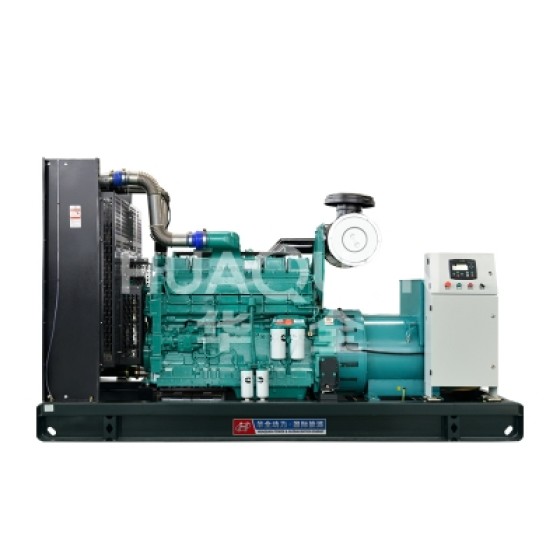
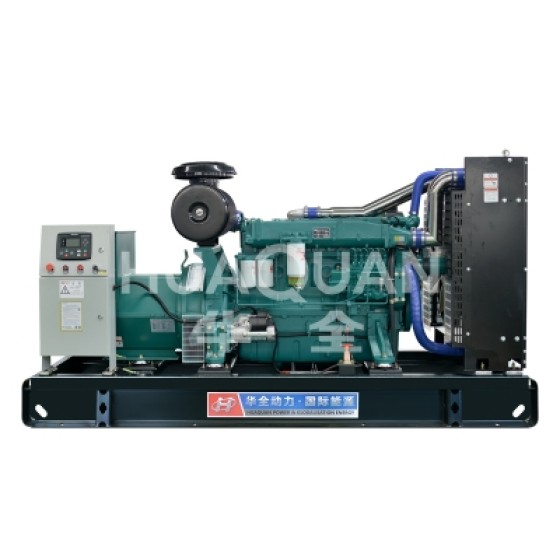
Huaquan, выдающееся предприятие с глубокими корнями в области энергетических решений, остается верным своему стремлению стать надежным профессиональным производителем генераторов для глобального телекоммуникационного сектора. Продукты Huaquan не только удовлетворяют разнообразные требования по обеспечению энергоснабжения — от основных центров обработки данных до удаленных пограничных базовых станций — но и обладают ключевыми преимуществами в плане надежности, способности к быстрому реагированию за доли секунды, исключительной адаптируемости к окружающей среде и интеллектуального удаленного управления. Генераторы Huaquan служат бесшумными стражами, обеспечивающими бесперебойную работу сетей связи, и призваны создать надежную, эффективную и экологичную энергетическую основу для построения беспрепятственно связанного глобального будущего.
III. Рыночные тенденции в области генераторов для телекоммуникационной промышленности
1. Цифровизация и интеграция Интернета вещей: благодаря встроенным датчикам и коммуникационным модулям генераторы передают в режиме реального времени информацию о рабочем состоянии, параметрах производительности, географическом положении, расходе топлива и раннем предупреждении на облачные платформы или в сетевые операционные центры. Это позволяет осуществлять профилактическое обслуживание, переходя от «ремонта после поломки» к «вмешательству до поломки», что значительно повышает эффективность и надежность работы.
2. Диверсификация топлива и экологическая устойчивость: помимо традиционного дизельного топлива, ведутся исследования в области использования природного газа, биодизельного топлива и даже водородных двигателей с целью сокращения выбросов углерода и эксплуатационных расходов. Широкое внедрение передовых технологий электронного впрыска топлива, оптимизации сгорания и систем последующей обработки выхлопных газов делает генераторы более экологичными и бесшумными.
3. Интеграция с гибридными энергетическими системами: в регионах с богатыми солнечными и ветровыми ресурсами генераторы образуют интеллектуальные микросети вместе с источниками возобновляемой энергии и аккумуляторными батареями. Их роль меняется с первичной или полной резервной на дополнительную или пиковую, активируясь только в случае недостатка возобновляемой энергии или истощения запасов. Это позволяет достичь оптимального баланса между экономической эффективностью и эксплуатационной надежностью.
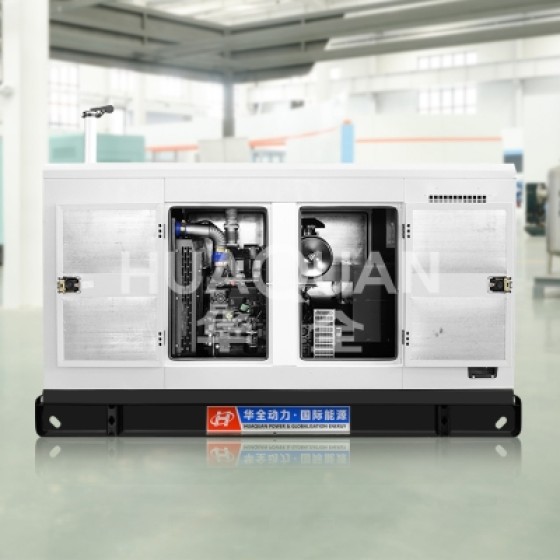
4. Повышенная плотность мощности и бесшумная работа: более компактные и эффективные двигатели, оптимизированные системы охлаждения и многослойные композитные технологии шумоподавления позволяют генераторам обеспечивать большую мощность при меньших габаритах, соблюдая при этом все более строгие городские нормы по шуму.
IV. Вызовы и перспективы для генераторов для телекоммуникационной промышленности
Несмотря на постоянные технологические достижения, вызовы остаются: безопасное и удобное приобретение и хранение топлива, стабильность работы в экстремальных условиях, контроль затрат на весь жизненный цикл и удовлетворение новых требований, возникающих в связи с более высокой плотностью и распределенностью будущих сетей.
В перспективе телекоммуникационные генераторы будут развиваться за пределы автономного энергетического оборудования и станут глубоко интегрированными в интеллектуальную взаимосвязанную (AIoT) структуру инфраструктуры телекоммуникационных сетей. Благодаря алгоритмам искусственного интеллекта парки генераторов будут достигать совместной оптимизации и автономного планирования — например, динамически планируя стратегии запуска/остановки нескольких генераторов в регионе на основе прогнозов погоды, прогнозов сетевого трафика и сигналов о ценах на электроэнергию. Такой подход обеспечивает надежность сети при максимальной общей энергоэффективности.
V. Часто задаваемые вопросы о генераторах для телекоммуникационной промышленности
1. Какие основные технические требования соответствуют стандартам телекоммуникационной промышленности?
Стабильность питания: коэффициент стабилизации напряжения в установившемся режиме ≤3% (для агрегатов ≤250 кВт), коэффициент колебаний частоты ≤0,8%.
Способность к непрерывной работе: способность к непрерывной работе в течение 12 часов в номинальных условиях (включая 1 час при 10% перегрузке).
Защита окружающей среды и уровень шума: расход топлива ≤ 260 г/кВт·ч (для агрегатов мощностью 120–600 кВт); уровень шума ≤ 108 дБ(А) на расстоянии 1 метра от агрегата. Холодный запуск: оснащен нагревательными устройствами для обеспечения нормального запуска при температуре моторного масла и охлаждающей жидкости ≥ 15 °C.
2. Какие ключевые моменты следует учитывать при проведении планового технического обслуживания?
Регулярные проверки: еженедельные проверки уровня моторного масла и охлаждающей жидкости, а также чистоты воздушного фильтра;
Управление топливом: используйте соответствующее требованиям чистое топливо; храните его в герметичных емкостях, чтобы предотвратить попадание влаги и забивание форсунок;
Вентиляция и нагрузка: обеспечьте достаточную вентиляцию в машинном отделении, чтобы предотвратить скопление выхлопных газов и перегрев агрегата; запретите резкую перегрузку, постепенно увеличивайте нагрузку;
Периодические испытания: ежемесячно проводить испытания автоматического запуска и переключения, а ежеквартально — проверку работы при полной нагрузке.
3. Как генератор осуществляет автоматическое переключение и отключение при восстановлении питания от сети?
Генераторная установка подключается к сети питания через ATS (автоматический переключатель). При восстановлении питания от сети ATS автоматически переключает нагрузку на сетевое питание и одновременно отправляет команду на отключение генератора. Получив эту команду, агрегат переходит в режим холостого охлаждения (обычно 3-5 минут), а затем автоматически отключает подачу топлива для полного отключения. Весь этот процесс не требует ручного вмешательства, а плавное переключение обеспечивает непрерывность питания и предотвращает потерю питания коммуникационного оборудования.
VI. Сценарии применения генераторов для телекоммуникационной промышленности
Конструкция современных телекоммуникационных генераторов глубоко отражает их тесную интеграцию с эксплуатационными условиями:
1. Основные оборудовательные помещения и центры обработки данных: как правило, в них устанавливаются высокомощные (часто мегаваттные) дизельные генераторные установки с высокой степенью резервирования. Параллельные системы обеспечивают отказоустойчивость N+1 или 2N. Запасы топлива должны обеспечивать работу на полной нагрузке в течение 24–72 часов или дольше. Критически важными являются точное управление микроклиматом (терморегулирование, шумоподавление) и бесперебойная интеграция с источниками бесперебойного питания (ИБП) и автоматическими переключателями (АТС).
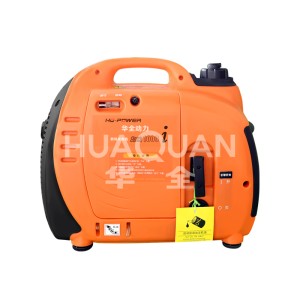
2. Базовые станции беспроводной связи: особенно в отдаленных районах макробазовые станции и удаленные объекты представляют собой наиболее распространенный сценарий применения генераторов. Компактные, легкие, малопотребляющие бесшумные дизельные или газовые генераторы стали основным выбором. Для обеспечения беспилотной эксплуатации необходимы функции удаленного мониторинга и автоматического управления, включая самодиагностику неисправностей, мониторинг уровня топлива и функции автоматического запуска-остановки.
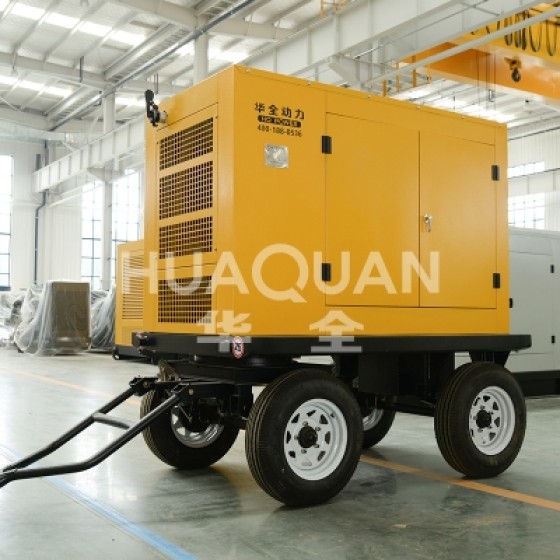
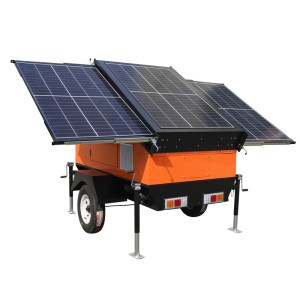
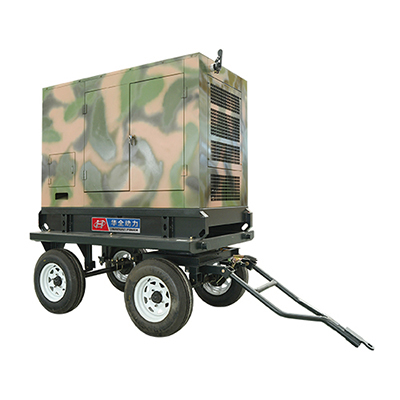
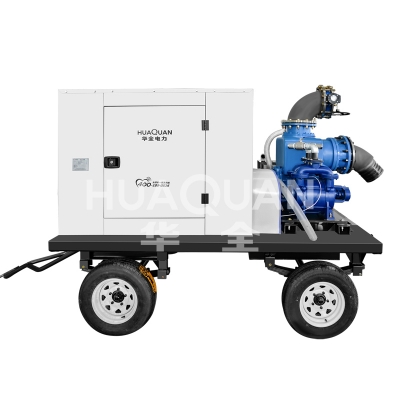
3. Системы экстренной связи и аварийного восстановления: во время стихийных бедствий или чрезвычайных ситуаций мобильные электростанции, установленные на транспортных средствах, и переносные генераторные установки служат авангардом восстановления связи. Эти системы требуют исключительной мобильности, адаптируемости к окружающей среде и возможностей быстрого развертывания.
От обеспечения «полной мощности сигнала» до поддержки «Интернета всего» — роль генераторов для телекоммуникационной промышленности смещается из-за кулис на передний план, эволюционируя от пассивного реагирования к проактивной интеллектуальной деятельности. Они не просто «пожарные» во время отключений электроэнергии, но и краеугольный камень для построения устойчивого, экологичного и интеллектуального цифрового мира будущего. В непрерывном ритме нашего информационного общества генераторы для телекоммуникационной промышленности будут продолжать развиваться, незаметно обеспечивая бесперебойную передачу каждого бита данных с помощью все более интеллектуальных и эффективных средств.