XN(XN6E)-A-DTLS-300x300.jpg)
-300x300.jpg)
-300x300.jpg)
XN(XN4ES)-Z珊瑚红-300x300.png)
-300x300.jpg)
-300x300.jpg)
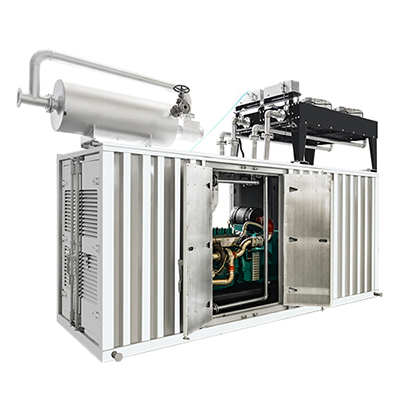
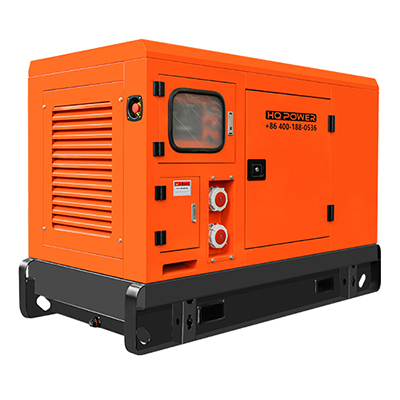
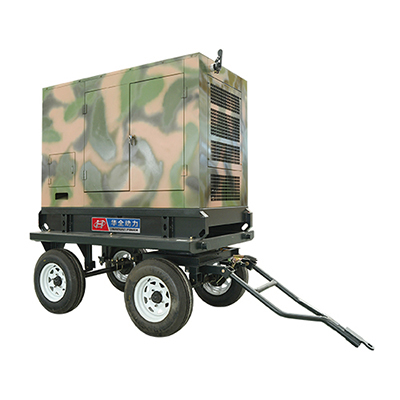
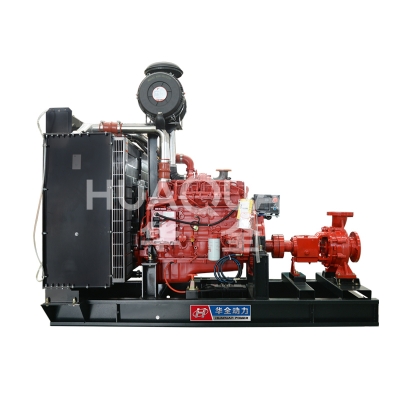


Подстанция коробчатого типа: компактное решение для современных энергосистем
В современных энергетических системах подстанции коробчатого типа — как интегрированное компактное распределительное оборудование — становятся основным решением для модернизации городских сетей, развития промышленных парков и обеспечения электроснабжения в отдаленных районах. По сравнению с традиционными подстанциями гражданского назначения, подстанции коробчатого типа переопределяют эффективность и гибкость сетей распределения электроэнергии благодаря своим характеристикам «небольшой занимаемой площади, быстрого развертывания и высокой адаптируемости». Они представляют собой типичный пример легкой модульной конструкции в секторе энергетики.
I. Подстанция коробчатого типа
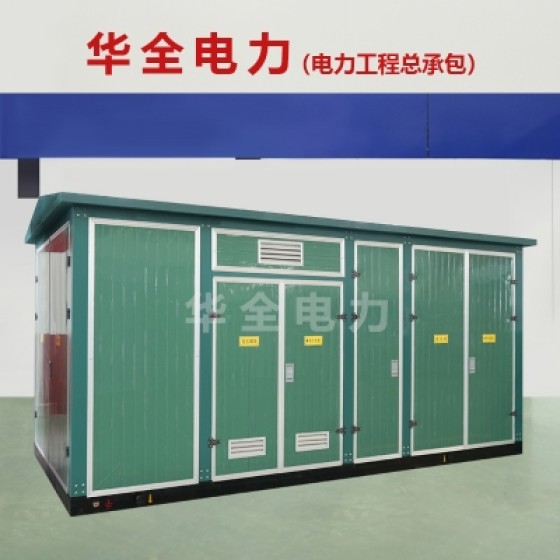
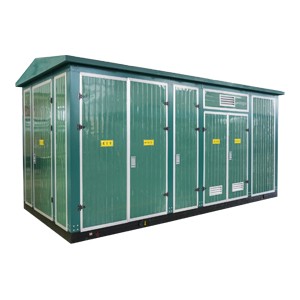
Подстанция коробчатого типа, также известная как комплектная трансформаторная подстанция, КТП, представляет собой компактное интегрированное распределительное устройство, в котором высоковольтная коммутационная аппаратура, распределительные трансформаторы и низковольтное распределительное оборудование объединены в одном или нескольких закрытых контейнерах в соответствии с заранее определенной схемой подключения. Ее основные принципы заключаются в «интеграции» и «заводской сборке». Она органично сочетает в себе функции понижающего трансформатора, распределения высокого/низкого напряжения и защиты управления в мобильном корпусе стальной конструкции, обеспечивающем защиту от влаги, ржавчины, пыли, огня, кражи и теплопередачи.
II. Huaquan: специализированный производитель подстанций коробчатого типа
Являясь специализированным производителем подстанций коробчатого типа с глубокими знаниями в области энергетического оборудования, компания Huaquan зарекомендовала себя в качестве основного поставщика в этой сфере благодаря своей комплексной производственной цепочке, индивидуальным возможностям в области НИОКР и строгим системам контроля качества. Ее профессионализм пронизывает все этапы жизненного цикла подстанции — от разработки и производства до тестирования и обслуживания — точно соответствуя требованиям распределения в различных сценариях. От разработки основных технологий до стандартизированного производства, от индивидуальной настройки под конкретные сценарии до предоставления полного цикла услуг — компания Huaquan ставит во главу угла «профессионализм». Такой подход позволяет создавать контейнерные подстанции, адаптированные к современным требованиям энергосистем. Эти решения подходят как для традиционных сценариев, таких как городские распределительные сети, промышленные парки и проекты в области новых источников энергии, так и для решения задач распределения энергии в специальных условиях, включая энергоснабжение отдаленных районов и временные потребности в электроэнергии. В результате компания Huaquan зарекомендовала себя как надежный профессиональный бренд по производству контейнерных подстанций.
III. Основные характеристики подстанций коробчатого типа
1. Компактная конструкция с минимальной занимаемой площадью: это их наиболее значительное преимущество. Благодаря высокоинтегрированной конструкции их занимаемая площадь может быть уменьшена на 60–90 % по сравнению с традиционными подстанциями. Это существенно снижает потребление земельных ресурсов, что делает их особенно подходящими для распределительных сетей в центральных районах городов.
2. Заводская сборка с коротким циклом строительства: все оборудование проходит сборку, ввод в эксплуатацию и испытания на заводе, что позволяет строить подстанции на заводских площадях. Работы на месте ограничиваются установкой корпуса, подключением кабелей и окончательным вводом в эксплуатацию, что сокращает общий срок монтажа до 3–7 дней. Это существенно сокращает сроки реализации проекта, минимизируя сложность и неопределенность строительства на месте.
3. Безопасность и надежность при низких эксплуатационных расходах: полностью закрытая конструкция корпуса предотвращает прямой контакт персонала с высоковольтным оборудованием, а независимая компартаментация каждого блока сводит к минимуму риски распространения неисправностей. Кроме того, в подстанции используются не требующие обслуживания или требующие минимального обслуживания основные компоненты, которые нуждаются только в плановых осмотрах. Эксплуатационные расходы сокращены более чем на 60 % по сравнению с традиционными подстанциями.
4. Высокая адаптивность и гибкие варианты развертывания: настраиваемые номинальные напряжения, мощности и конфигурации проводки удовлетворяют разнообразным требованиям. Подходит для стандартного распределения в жилых районах и коммерческих комплексах, а также для временных потребностей в электроэнергии в специализированных условиях, таких как горнодобывающие предприятия и портовые сооружения.
IV. Типы подстанций коробчатого типа
В зависимости от конструкции и сценариев применения контейнерные подстанции в основном подразделяются на три типа:
1. Подстанция европейского типа коробчатого типа: использует раздельную конструкцию «высокое напряжение – трансформатор – низкое напряжение», при которой отсеки высокого напряжения, трансформатора и низкого напряжения расположены независимо друг от друга. Такая конструкция обеспечивает достаточное пространство для технического обслуживания и подходит для сценариев распределения с высокой мощностью и несколькими выходами, что делает ее наиболее широко используемым типом в стране.
2. Подстанция американского типа коробчатого типа: трансформатор интегрирован с высоковольтными выключателями нагрузки и предохранителями в одном масляном резервуаре. Эта компактная, экономящая место конструкция подходит для сценариев распределения на открытом воздухе, требующих низкой мощности и небольшого количества фидеров, хотя техническое обслуживание представляет большие сложности.
3. Модульная подстанция коробчатого типа: сочетает в себе преимущества европейской и американской конструкций, позволяет гибко конфигурировать функциональные блоки и поддерживает будущее расширение. Это делает ее подходящей для динамичных требований в новых областях применения электроэнергии, таких как станции возобновляемой энергии и кластеры зарядных станций.
V. Часто задаваемые вопросы о подстанциях коробчатого типа
1. Какие экологические требования применяются к установке подстанций коробчатого типа?
Фундамент: Поднятый над уровнем земли с эффективными мерами дренажа для предотвращения заболачивания.
Безопасные расстояния: Соблюдайте достаточные противопожарные расстояния от зданий и горючих материалов, с окружающим доступом для осмотра и транспортных маршрутов.
Окружающая среда: следует избегать мест, подверженных длительному заболачиванию, сильному загрязнению, интенсивной вибрации или геологическим опасностям, таким как оползни.
2. Какие соображения следует учитывать в отношении подстанций коробчатого типа?
Ограниченные возможности расширения: фиксированное внутреннее пространство означает, что для существенного увеличения мощности или добавления дополнительных фидеров может потребоваться полная замена.
Высокие требования к охлаждению: закрытое пространство зависит от принудительной вентиляции и кондиционирования воздуха; особое внимание требуется уделять в условиях высоких температур или при работе на полной нагрузке.
Ограниченный доступ для технического обслуживания: обслуживание внутреннего оборудования менее удобно, чем в традиционных подстанциях.
Особые требования к фундаменту: необходим ровный, прочный бетонный фундамент с мерами по дренажу и предотвращению затопления.
3. Каковы конфигурации входящих и исходящих кабелей для подстанций коробчатого типа?
Высоковольтные входящие кабели: обычно кольцевого типа (два или более входящих контуров для повышения надежности питания) или терминального типа (один входящий контур).
Низковольтные исходящие кабели: могут быть сконфигурированы с 4 до 12 исходящими контурами в зависимости от требований, обычно с использованием кабельной разводки с нижним входом/выходом.
4. Как следует проводить ежедневное техническое обслуживание подстанций коробчатого типа?
Регулярные проверки: ежемесячные проверки герметичности корпуса и целостности заземления; ежеквартальная проверка температуры и уровня трансформаторного масла (маслозаполненные агрегаты) наряду с очисткой радиатора.
Мониторинг состояния: для интеллектуальных подстанций следует контролировать данные о температуре, токе и напряжении; для неинтеллектуальных агрегатов следует периодически проверять температуру соединений с помощью инфракрасных термометров.
Управление неисправностями: при срабатывании или появлении ненормальных шумов сначала отключите высоковольтное питание; никогда не выполняйте техническое обслуживание под напряжением. Для маслозаполненных агрегатов уделяйте приоритетное внимание мониторингу утечки масла и его деградации.
Техническое обслуживание окружающей среды: очищайте корпус от мусора. В дождливый сезон проверяйте дренажные системы. В прибрежных районах или районах с солевым туманом каждые шесть месяцев проводите антикоррозионную обработку корпуса.
VI. Сценарии применения подстанций коробчатого типа
Подстанции коробчатого типа имеют широкую сферу применения, в первую очередь:
1. Городские распределительные сети: жилые районы, муниципальные трансформаторные подстанции, торговые комплексы, вокзалы, аэропорты, парки и т. д. Их компактность позволяет интегрировать их в центры нагрузки, сокращая радиус подачи электроэнергии и улучшая качество напряжения на клеммах.
2. Модернизация сельских сетей: служат в качестве основного оборудования при модернизации сельских сетей для повышения надежности электроснабжения и качества электроэнергии.
3. Промышленные предприятия: обеспечивают компактные и надежные решения для распределения электроэнергии на шахтах, заводах (особенно в сталелитейной, химической и строительной отраслях) и в промышленных парках.
4. Сектор возобновляемых источников энергии: подходит для агрегирования и передачи энергии в проектах возобновляемых источников энергии, таких как ветряные электростанции и фотоэлектрические станции.
5. Временные и мобильные применения: обеспечивает быстрое и гибкое временное энергоснабжение строительных площадок, муниципальных работ и полевых операций.
Подстанции коробчатого типа, основными характеристиками которых являются интеграция, заводское производство, интеллектуальная эксплуатация и компактная конструкция, успешно удовлетворяют насущные потребности современных энергосистем в компактных решениях, быстром развертывании, эффективной эксплуатации и надежном энергоснабжении. Их комплексные преимущества делают их незаменимыми в городских сетях, при модернизации сельских сетей, в промышленном энергораспределении и в новых энергетических приложениях. Благодаря постоянному технологическому прогрессу и накопленному опыту применения, коробчатые подстанции готовы играть все более важную роль в создании безопасной, надежной, эффективной и экологичной современной системы распределительных сетей.