XN(XN6E)-A-DTLS-300x300.jpg)
-300x300.jpg)
-300x300.jpg)
XN(XN4ES)-Z珊瑚红-300x300.png)
-300x300.jpg)
-300x300.jpg)


Home Standby Generator: A Reliable Solution to Power Outage Challenges in Modern Living
In an era marked by frequent extreme weather events and occasional urban power grid failures, electricity has become the lifeline sustaining the normal functioning of households. A sudden late-night blackout can spoil fresh ingredients in the refrigerator overnight; an unexpected power outage during remote work can render unsaved important documents lost forever; during bitter winters or scorching summers, air conditioners failing to operate disrupt indoor temperature balance, making conditions unbearable for the elderly and children; and for families relying on medical equipment to maintain health, a power outage instantly plunges them into crisis. At such moments, a reliable home standby generator transforms from a “nice-to-have” backup device into an “invisible guardian” safeguarding domestic tranquility, providing a stable energy haven for the household.
I. Home standby generator
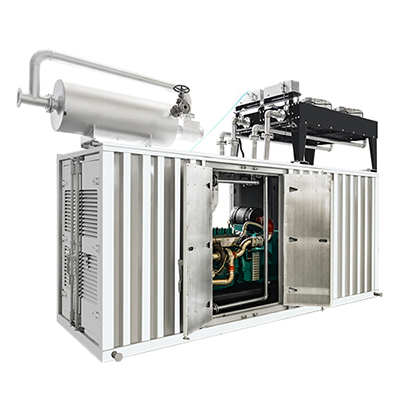
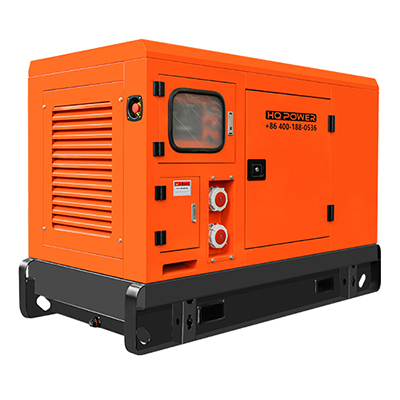
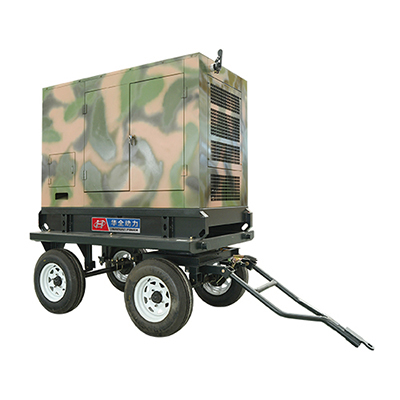
A home standby generator is a permanently installed, independent power system located outside the residence. It automatically detects power outages and activates within seconds to supply electricity to selected household circuits or the entire home. Unlike portable generators, standby generators require no manual start-up or connection, providing seamless, automated power protection.
II. Huaquan: Professional Manufacturer of Home Standby Generator
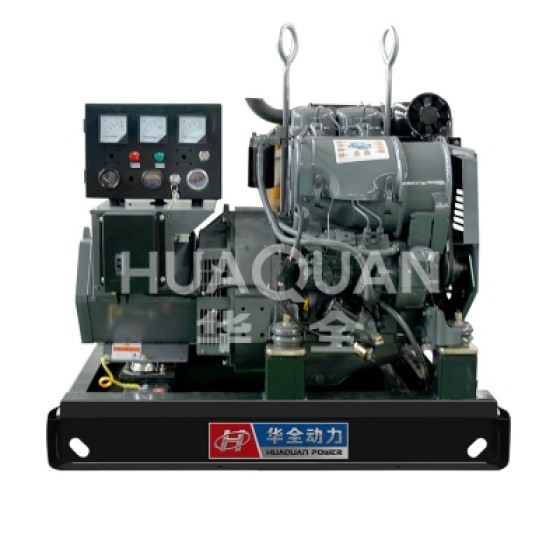
As a leading enterprise specializing in residential emergency power solutions, Huaquan integrates R&D, manufacturing, sales, and service to deliver highly adaptable, safe, and reliable standby power solutions for diverse household needs. Its comprehensive product line encompasses gasoline, diesel, gas, and solar energy storage models commonly used in homes. Power capacities span from compact units for small apartments to large generators for villas, meeting diverse residential needs. Rigorous quality control throughout production ensures premium components are selected. Coupled with thorough pre-sales guidance for model selection and comprehensive after-sales maintenance services, Huaquan leverages robust manufacturing capabilities and a professional service system to fortify every household's emergency power defense, resolving all types of power outage challenges.
III. Types of Home Standby Generators
Home standby generators come in various types, with distinct choices required for different household layouts and power demands. Based on fuel type, they fall into four main categories, each with its own advantages and disadvantages suited to different scenarios.
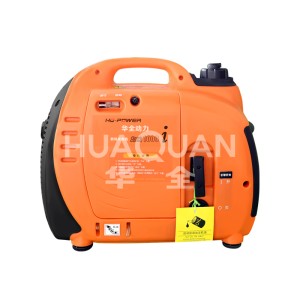
1. Gasoline generators are the most common choice for home emergencies. Their ease of starting, affordable price, and wide range of power options make them the preferred choice for most small households. They easily meet basic emergency power needs and are compact enough for storage on balconies or in utility rooms. However, they have notable drawbacks: significant noise levels during operation (typically 70-90 decibels), which can disturb neighbors; relatively high fuel consumption; and gasoline's volatility, making long-term storage impractical. Additionally, exhaust emissions must be strictly kept away from indoor areas to prevent safety hazards.
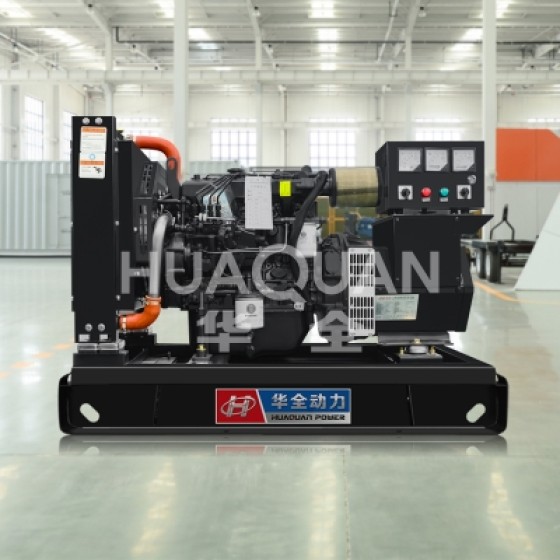
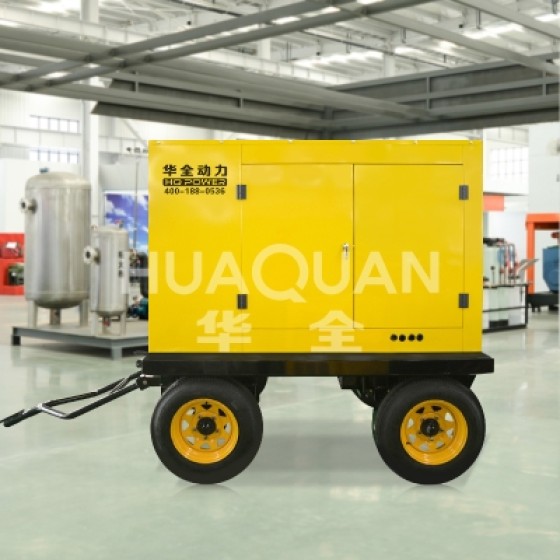
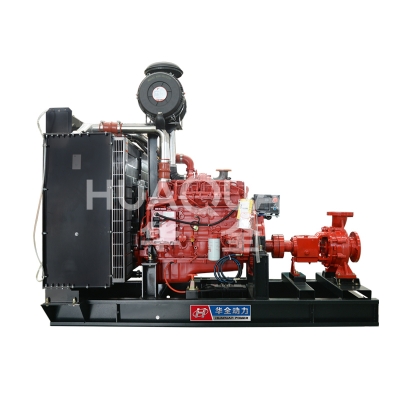
2. Diesel generators are better suited for households with long-term power needs or high-power requirements. Their core advantages include high fuel efficiency, exceptional durability, and extended service life. Diesel fuel is less volatile, making it suitable for long-term storage (stabilizer required), and it offers a wide power output range. However, diesel generators have a higher initial purchase cost, operate at a higher noise level than gasoline models, and experience reduced starting performance in cold temperatures. They are best placed in open outdoor areas.
3. Gas generators (natural gas, liquefied petroleum gas) are an eco-friendly choice for urban households, particularly suited for those with high standards for noise and emissions. They operate cleanly with minimal emissions and carbon buildup, typically maintaining noise levels between 60-80 decibels—close to everyday conversation volume—without disrupting home tranquility. Fuel can be stored long-term, with LPG tanks offering greater safety than gasoline drums. Connecting to household natural gas lines further eliminates the hassle of frequent refueling. Their drawbacks include relatively limited power output, typically not exceeding 10kW, slightly higher initial installation costs, and reliance on a stable gas supply. Starting performance may be affected during extremely cold weather.
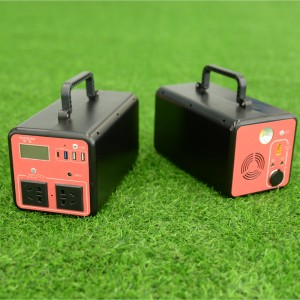
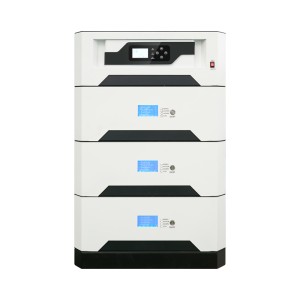
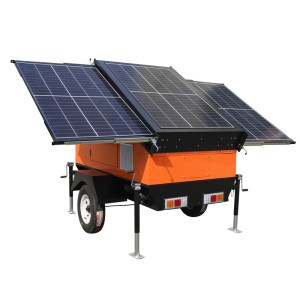
4. Solar energy storage generators, as a new type of backup power source, are gradually finding their way into homes. It operates with zero noise and zero emissions, boasts extremely low long-term operating costs, generates electricity solely from sunlight, and requires minimal maintenance. This makes it ideal for environmentally conscious households or remote areas without grid access. However, its limitations are equally evident: it relies on weather conditions, cannot produce power during cloudy days or at night, involves a very high initial investment cost, and its power output and duration are constrained by battery capacity. As such, it is not suitable as the sole backup during prolonged power outages and is better paired with traditional generators.
IV. Guide to Purchasing and Installing Home Standby Generators
1. Power Rating Assessment
Professional installers will conduct detailed load calculations to determine your household's actual power requirements. It is generally recommended to list all appliances requiring backup power, including their starting power (typically higher than running power). Additional power reserves are needed for specific scenarios:
Medical equipment such as ventilators or oxygen concentrators requires a 30% power reserve. In high-altitude or high-temperature regions, generator output naturally decreases, requiring an appropriately higher power rating;
For future appliance additions, allow 20%-30% power reserve.
2. Installation Requirements:
Requires installation by a licensed electrician and possibly a plumber.
Requires a concrete foundation or specific installation pad.
Must comply with local building codes and safety distance requirements (typically at least 5 feet from windows and doors).
Necessary building permits must be obtained.
V. FAQs on Home Standby Generators
1. What essential safety precautions should be observed when using a home standby generator?
Ensure ventilation: Operation produces highly toxic carbon monoxide. Absolutely prohibit use in enclosed/semi-enclosed spaces such as indoors, balconies, or garages. Place outdoors in an open area away from doors and windows, with exhaust facing away from the wind.
Fuel Safety: Shut down and cool the generator before refueling. Store fuel in dedicated containers away from heat sources and open flames. Gasoline should not be stored long-term; diesel requires stabilizer additives.
Electrical Shock and Burn Prevention: Ensure the generator housing is properly grounded. Only use undamaged power cords and plugs. Never operate the generator with wet hands. Do not touch the hot exhaust pipe while the generator is running or immediately after shutdown.
Proper Wiring: Never plug the generator directly into a household wall outlet to feed power back into the grid. If connecting to a home electrical system, hire a licensed electrician to install a compliant transfer switch. This prevents endangering the safety of power utility workers.
2. How to maintain a standby generator daily to ensure it's ready for emergencies?
Cleaning and Inspection: Regularly clear debris from inside and outside the equipment. Keep intake and exhaust ports unobstructed to prevent dust from affecting operation.
Regular Maintenance: Replace engine oil, oil filter, air filter, and spark plugs according to the manual. Perform comprehensive maintenance every 12-24 months or every 200 hours (whichever comes first).
Battery Maintenance: Regularly inspect battery condition, clean and tighten terminals, check for leaks, and keep a spare bottle of oil for replenishment.
Periodic Start-Up: When unused for extended periods, start the generator monthly and run it for 10-15 minutes to lubricate components and verify fuel and electrical systems are functioning normally.
3. Can generators operate in extreme cold weather?
Cold-weather starter kits: Models for cold regions typically include battery heaters and oil heaters.
Fuel considerations: Diesel may gel in extreme cold, requiring additives or indoor storage tanks.
Propane advantages: Propane performs reliably in low temperatures, making it suitable for frigid climates.
Regular testing: Ensure systems undergo routine automatic testing during winter to maintain readiness.
VI. Application Scenarios for Home Standby Generators
1. Medical-Need Households: Provide uninterrupted power for life-sustaining equipment such as oxygen concentrators, ventilators, and dialysis machines.
2. Home Office Environments: Ensure continuous operation of networks, computers, and communication devices.
3. Disaster-Prone Areas: Address prolonged power outages caused by hurricanes, blizzards, ice storms, etc.
4. Food and Medication Preservation: Prevent spoilage of perishable items and medications in refrigerators and freezers.
5. Home Security Systems: Maintain operation of surveillance cameras, alarm systems, and automatic door locks.
Today, home standby generators are no longer niche equipment but an essential emergency necessity for an increasing number of households. Though they may be used only a few times a year, during critical power outages they safeguard the freshness in your refrigerator, maintain home comfort, protect the health of vulnerable family members, and most importantly, preserve a sense of calm and peace of mind. Selecting a backup generator suited to your household, ensuring proper selection, correct usage, and routine maintenance, keeps this “emergency power provider” always on standby. This allows you to handle unexpected power outages with composure, safeguarding every aspect of your home life and keeping the troubles of blackouts firmly at bay.
单三相带水印-560x560.jpg)