The Invisible Guardian: Data Center Generator, the Ultimate Defense in the Digital Age
In today's era where the digital wave sweeps across the globe, data centers serve as the core hubs for global information storage, computing, and transmission. Their operational stability directly determines the orderly functioning of the digital economy. From real-time settlement of financial transactions to seamless integration of internet services, from secure storage of government data to continuous interconnection of IoT devices—every core operation relies on a continuous, stable, and reliable power supply. Data center generators, as the core component of backup power systems, serve as the ultimate defense for this “uninterrupted” operation. They spring into action the instant utility power fails, minimizing losses from data loss and service interruptions. This makes them an indispensable critical element within data center infrastructure.
I. Data Center Generator
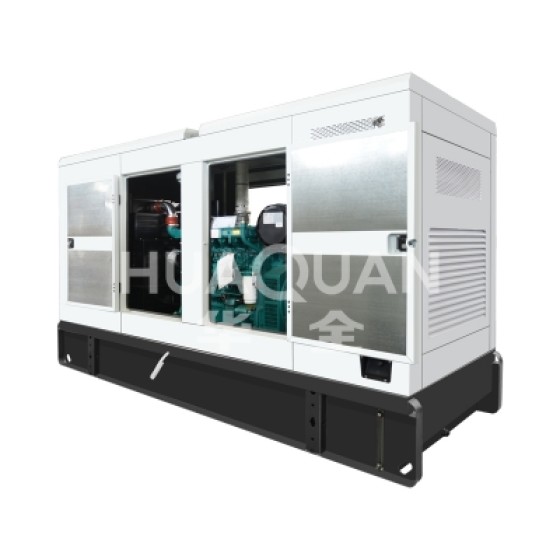
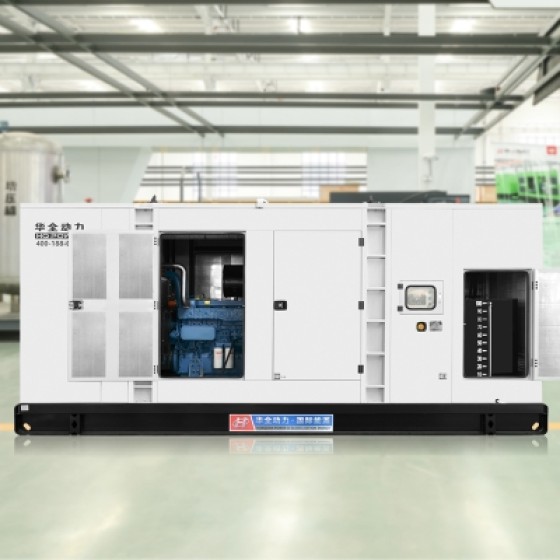
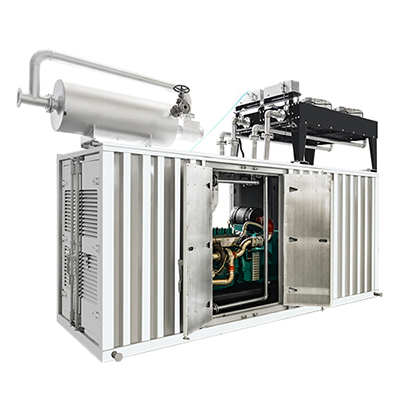
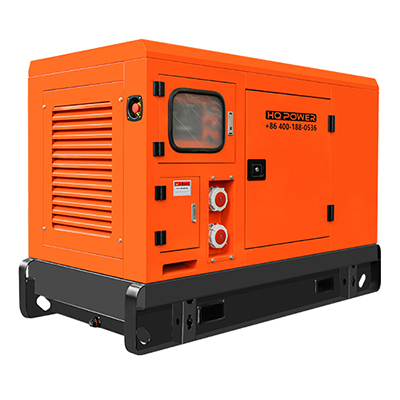
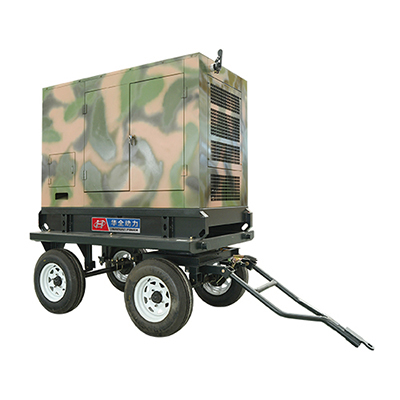
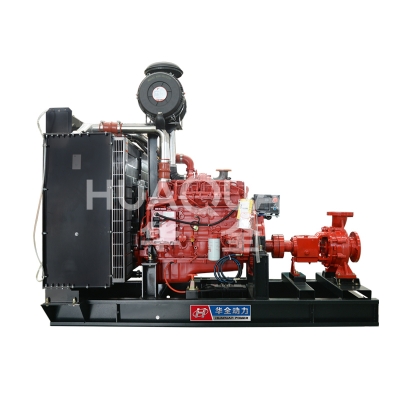
Data center generators serve as the core component of a data center's backup power system. They operate in coordination with UPS (Uninterruptible Power Supply) and ATS (Automatic Transfer Switch) systems. Rather than functioning as the primary power source to replace utility power, they rapidly activate during utility power outages to bear the entire load of the data center. This ensures seamless power continuity, prevents data loss and service interruptions, and safeguards the data center's “zero downtime” operation as an emergency backup power device.
II. Huaquan is a professional manufacturer of data center generators
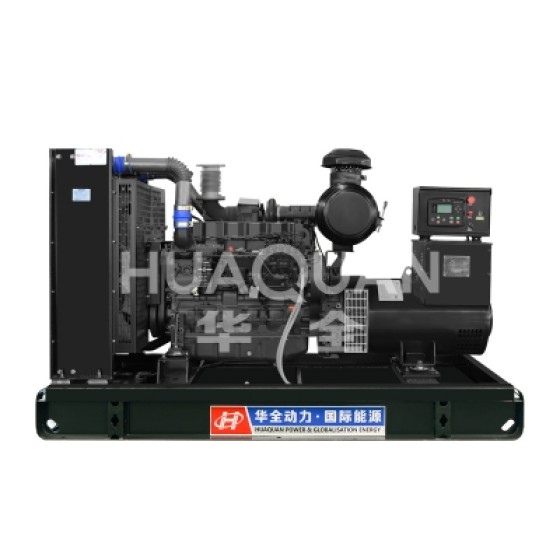
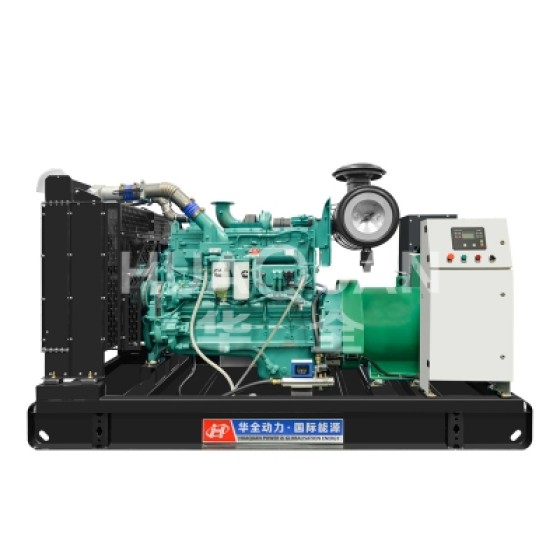
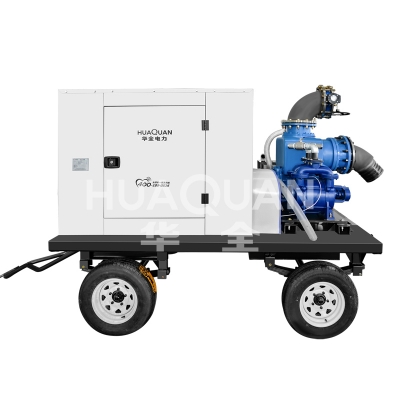
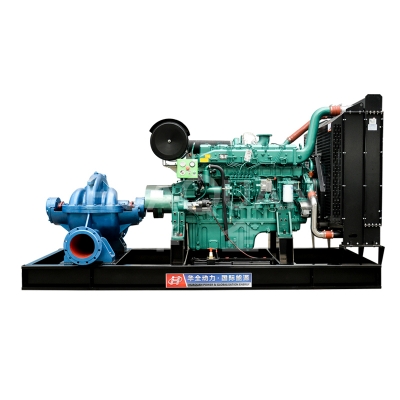
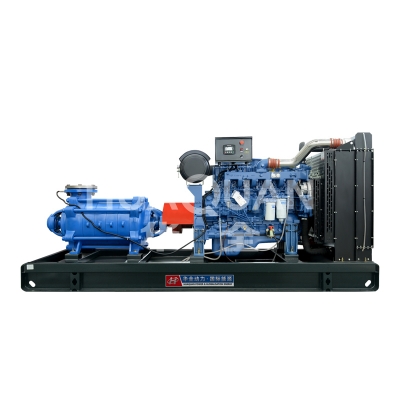
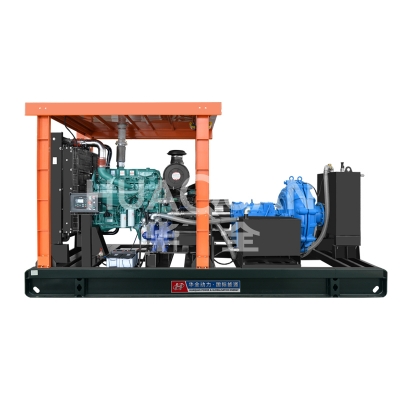
Huaquan specializes in producing backup generator sets and integrated solutions for data centers. The company focuses deeply on critical power assurance for digital infrastructure, committed to providing ultra-large-scale data centers, cloud computing nodes, and enterprise-level server rooms worldwide with highly reliable, high-power-density backup power systems that meet stringent emission standards. Its product portfolio spans diesel generator sets ranging from hundreds of kilowatts to several megawatts, featuring integrated intelligent parallel control, remote monitoring, and rapid switching technologies. This ensures millisecond-level response and seamless transition during utility grid interruptions, forming an “invisible power defense line” that safeguards uninterrupted data availability. Through continuous R&D innovation, Huaquan not only pursues ultimate product reliability but also actively explores clean fuel applications and system efficiency optimization, supporting green data center development. It stands as a trusted partner for numerous leading tech enterprises and operators in building their business continuity assurance systems.
III. The Technical Core of Data Center Generator
The power generation system in modern data centers is far more than a simple large diesel generator. It is a highly integrated, rapidly responsive precision system:
1. Ultra-Fast Response and Seamless Switchover
Critical systems employ diesel rotary uninterruptible power supplies (UPS) or “static switch + generator set” configurations. Upon detecting utility power anomalies, the system switches from grid to generator power within 10-15 seconds, while online UPS ensures zero interruption to IT equipment loads during this transition.
2. Massive Power Density
Individual data center generators typically operate in the megawatt (MW) range. The total backup power capacity of hyperscale data centers can reach tens or even hundreds of megawatts—equivalent to the electricity demand of a small town.
3. Fuel Storage and Supply Chain
Large-scale fuel storage facilities capable of supporting full-load operation for 24 to 72 hours or more are typically installed on-site. Emergency delivery agreements with fuel suppliers ensure continuous operational capability during prolonged power outages.
4. Rigorous Testing and Intelligent Monitoring
The system undergoes weekly load testing to maintain constant readiness. An advanced monitoring system tracks engine parameters, fuel status, battery health, and other metrics in real time, enabling predictive maintenance.
IV. Greening and Smartening of Data Center Generator
As sustainable development gains global consensus, data center generator systems face dual challenges of environmental protection and efficiency, driving technological innovation.
1. Fuel Diversification and Cleanliness: Exploring renewable fuels like hydrogenated vegetable oil (HVO) and biodiesel to reduce carbon emissions. Simultaneously, cleaner alternatives like gas internal combustion engines, micro-gas turbines, and fuel cells (e.g., hydrogen fuel cells) are undergoing testing and deployment.
2. Grid Interaction Participation: In certain regions, data center backup generators can contractually participate in grid “demand response” programs. They feed power into the grid during peak consumption periods, assisting in peak shaving while generating revenue and enhancing energy system stability.
3. Artificial Intelligence and Digital Twins: AI algorithms optimize startup strategies, load forecasting, and maintenance schedules. By creating digital twin models of generator systems, fault simulations and efficiency optimizations are conducted in virtual environments, enhancing overall system reliability.
V. FAQs on Data Center Generators
1. What are the main types of data center generators, and what scenarios are they suitable for?
Diesel Generator Sets: Fast startup, high reliability, strong load-bearing capacity, and wide power coverage. Suitable for scenarios demanding high reliability and load capacity, such as large cloud data centers and financial data centers. Some models can operate in high-altitude environments.
Gas Generator Sets: Environmentally friendly, low-carbon, high energy efficiency, and low noise. Suitable for green data centers, urban edge data centers, and other scenarios with strict environmental and noise control requirements.
2. How should generators be maintained daily? How can their readiness be ensured?
Regular Testing: Conduct weekly load tests (typically at 30% or more of rated load) to simulate actual power outage scenarios and verify system integrity.
Preventive Maintenance: Strictly adhere to operating hour schedules for replacing engine oil, filters, coolant, etc., while inspecting batteries and control circuits.
Remote Monitoring: Utilize integrated monitoring systems to track engine parameters, oil levels, temperatures, and conduct predictive analytics in real time.
3. What key factors should be considered when selecting generators for data centers?
Load matching: Ensure precise alignment between rated power and the data center's maximum average load.
Grade adaptation: Determine redundancy configuration based on the data center's classification or GB50174 standards.
Scenario Adaptation: Select models based on environmental conditions (e.g., high altitude) and environmental requirements.
Standard Compliance: Meet relevant standards such as ISO and GB/T.
Operational Ease: Prioritize products and manufacturers with high levels of intelligence and robust maintenance systems.
VI. Application Scenarios for Data Center Generator
With the rapid development of the digital economy, data centers continue to expand in scale and computing power demands keep rising. Consequently, the application scenarios for data center generators are becoming increasingly widespread. From large-scale cloud data centers and financial data centers to edge data centers and government data centers, their core role in ensuring critical operations remains indispensable. Different scenarios have distinct priorities for generator requirements:
1. Large-scale cloud and financial data centers prioritize high-power diesel generator sets operating in parallel configurations with N+1 or 2N redundancy, emphasizing load-bearing capacity and reliability.
2. Edge data centers and campus-based data centers favor compact, eco-friendly gas generator sets or photovoltaic-integrated generator sets, balancing environmental sustainability, energy efficiency, and operational flexibility;
3. Government and healthcare data centers impose stringent requirements on generator safety and stability. These facilities must strictly adhere to national standards and implement comprehensive emergency response protocols to guarantee uninterrupted power supply.
In the digital economy era, the “zero downtime” operation of data centers is a core prerequisite for ensuring the orderly functioning of the socio-economic system. As the ultimate line of defense for this assurance, the importance of data center generators is self-evident. From the technological evolution of traditional diesel generator sets to the green upgrade of gas generator sets, from single backup power sources to multi-system coordinated operation, and from manual operations and maintenance to intelligent management—the development of data center generators has consistently aligned with the evolving demands of data centers. They continue to advance on the path of safeguarding data security and ensuring business continuity.