XN(XN6E)-A-DTLS-300x300.jpg)
-300x300.jpg)
-300x300.jpg)
XN(XN4ES)-Z珊瑚红-300x300.png)
-300x300.jpg)
-300x300.jpg)


Silent Guardian: How Hotel Backup Generators Build “Absolute Peace of Mind” for Travelers
In the hospitality industry, “uninterrupted service” is the core principle for maintaining reputation, ensuring safety, and safeguarding operations. As the foundation for all services, the stability of power supply directly determines a hotel's service quality and emergency response capabilities. Hotel backup generators, serving as critical equipment for addressing mains power interruptions, are not merely optional redundancies. They are the lifeline sustaining everything from guest room experiences and dining services to fire safety—an indispensable core emergency facility in the hotel's meticulous operations.
I. Hotel Backup Generators
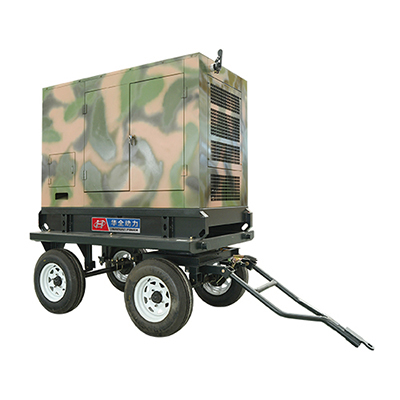
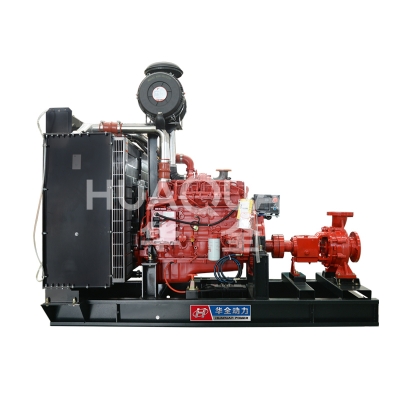
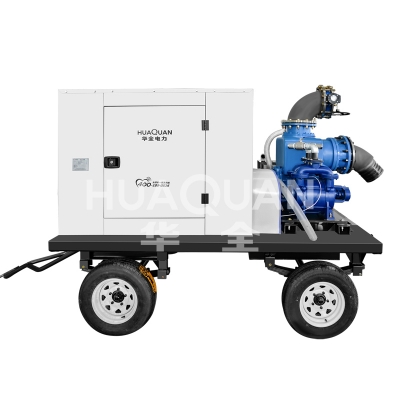
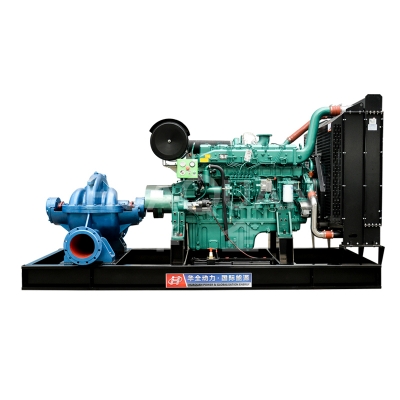
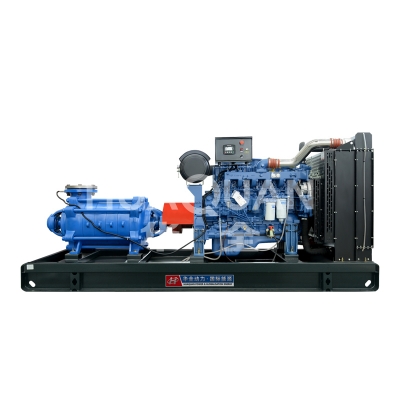
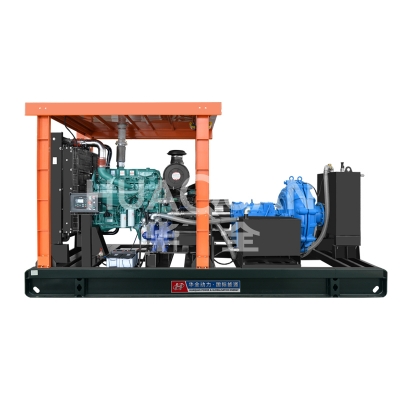
Hotel backup generators are specialized emergency power supply equipment designed for hotel environments to address power abnormalities such as utility outages and voltage fluctuations. They are not intended as routine replacements for municipal power but rather function as dedicated devices that automatically or manually activate to provide temporary, stable electrical support to core areas and critical equipment within hotels. This ensures uninterrupted operations and safeguards safety. Their core characteristics include rapid response and reliable power delivery, capable of accommodating diverse load demands across hotel guest rooms, fire safety systems, food service areas, and conference facilities. Models can be flexibly selected based on hotel scale and specific power usage scenarios, making them an indispensable component of the hotel's emergency support system.
II. Huaquan: Professional Manufacturer of Hotel Backup Generators
Huaquan remains committed to becoming the most trusted power protection partner for the global hospitality industry. Huaquan specializes in developing and manufacturing high-standard standby generator sets specifically designed for hotel environments. Our products not only deliver rapid, automatic power supply during utility outages but also provide comprehensive solutions—from core units and intelligent control systems to customized soundproof enclosures—considering hotel safety compliance, guest experience quietness, management maintenance convenience, and total lifecycle costs.
III. Core Value of Hotel Backup Generators
For modern luxury hotels, backup power has evolved from a “luxury feature” to a “survival necessity.” Its core value lies in:
1. Life Safety Barrier: Ensuring continuous operation of fire suppression systems, emergency lighting, evacuation signage, and at least one elevator during emergencies, buying critical time for evacuation and rescue.
2. Continuity of Essential Services and Dignity: Maintains front desk systems, critical area lighting, communication networks (e.g., telephones, Wi-Fi), and partial elevator operation. During sudden power outages, it enables hotels to continue providing guests with information, maintaining connectivity, and preserving basic mobility—preventing panic and chaos.
3. Asset and Reputation Protection: Prevent data loss (reservations, finances) due to power outages, large-scale food spoilage, frozen water pipes, and security system failures. A major power failure mishandled could deal a devastating blow to a hotel's reputation.
4. Contractual and Rating Mandates: Numerous international hotel brand standards, high-rise building safety codes, and star-rating systems impose explicit requirements on backup power systems regarding capacity, response time, and sustained supply capability.
IV. Core Technologies of Hotel Backup Generators
1. Automatic Transfer Switch: The system's “brain.” Continuously monitors utility power quality. Upon detecting a power outage or voltage anomaly, it immediately issues a start command and performs seamless, safe switching between utility and generator power sources. The entire process typically completes within 10-30 seconds.
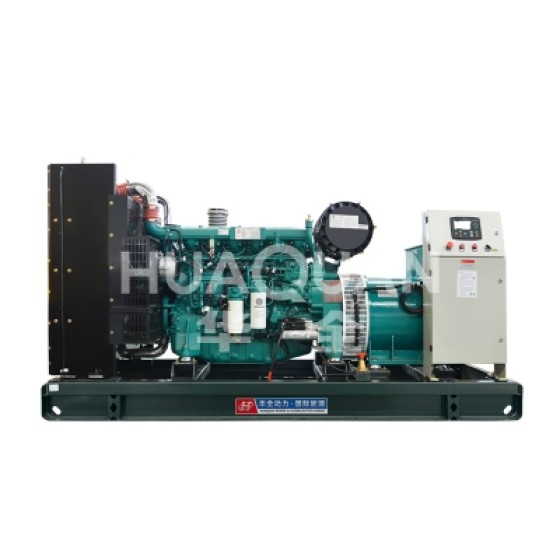
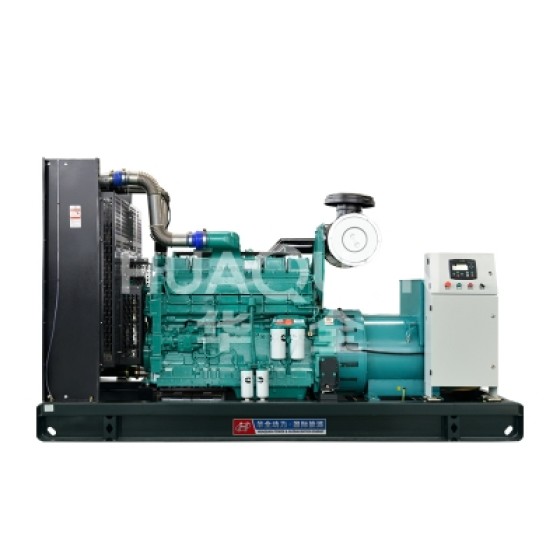
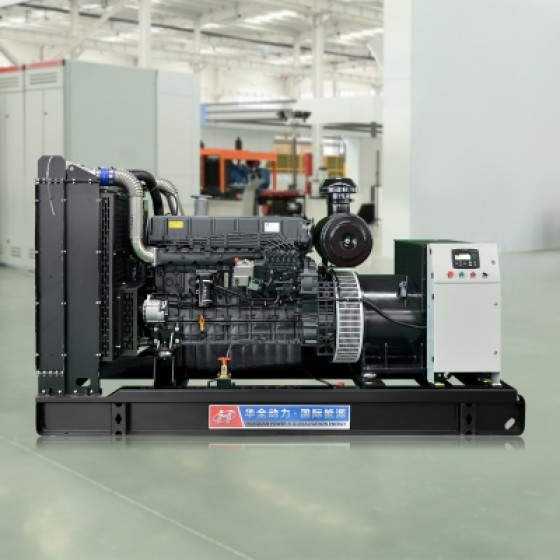
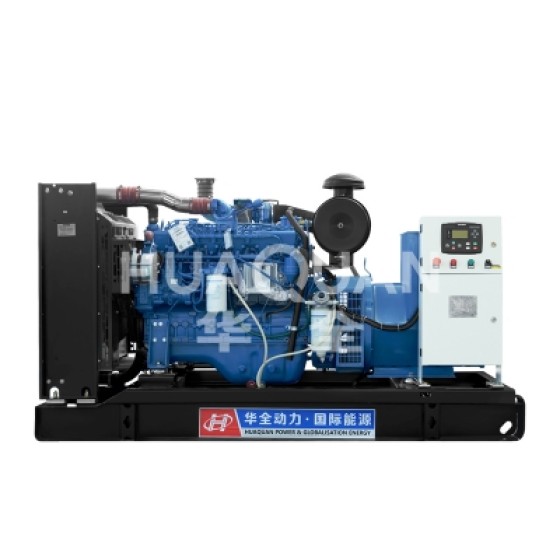
2. Generator Set: The “Heart” of the System. Hotels predominantly utilize diesel generators due to their high power output, reliability, and relatively safe fuel storage. Their capacity is precisely calculated to cover all “critical loads,” not the hotel's entire electrical demand.
3. Fuel System: The lifeblood of the system. Includes fuel storage tanks, delivery pipelines, and fuel pumps. In accordance with local regulations and hotel risk contingency plans, fuel reserves must support at least 24-72 hours of full-load operation. Higher requirements apply for regions vulnerable to prolonged disasters (e.g., hurricanes, earthquakes).
4. Power Distribution and Load Management: The system's “nervous system.” Through independent emergency distribution panels, power is restored in a prioritized, tiered manner. Life safety systems (e.g., fire protection) are always assigned the highest priority.
V. FAQs on Hotel Backup Generators
1. What requirements must be met for fuel storage in hotel generators?
Fuel reserves must cover at least 24-48 hours of emergency power supply for the hotel. A dedicated storage area must be established separately, compliant with fire safety regulations, and equipped with leak-proof and fire-resistant facilities. Long-term stored diesel requires regular checks for deterioration. If the generator remains on standby without use for extended periods, engine oil must be replaced simultaneously to prevent component damage from oil degradation.
2. How can generator operating noise be controlled to avoid disturbing guests?
Prioritize silent models with noise levels ≤75 decibels. Install them in concealed areas such as basements or equipment rooms, far from guest rooms and conference halls. Reduce vibration and noise transmission by adding soundproof enclosures and vibration-damping pads. Implement noise-reduction measures in exhaust systems to ensure operational noise does not spread to public areas or guest rooms, safeguarding the guest experience.
3. What costs should be considered when investing in a hotel backup generator?
Initial purchase and installation costs: Generator set itself, soundproof enclosure, automatic transfer switch, cables, civil engineering, ventilation system, etc.
Operational and maintenance costs: Regular servicing, consumables (engine oil, filters), fuel expenses for testing, and professional service contracts.
Fuel storage costs: Initial fuel tank installation expenses.
Potential upgrade costs: Future expenses for upgrades required due to hotel expansion or regulatory changes.
VI. Application Scenarios for Hotel Backup Generators
The application scenarios for hotel backup generators span the entire operational lifecycle, with a core focus on various emergency and special situations involving “mains power outages or instability.” They cover critical areas such as guest rooms, dining, conferences, and security, precisely matching the diverse emergency needs of hotels.
1. Emergency Scenarios for Sudden Mains Power Interruptions. This is the most critical and frequent application scenario, encompassing grid failures caused by natural disasters (heavy rain, typhoons, earthquakes, blizzards, etc.), municipal power line faults, and unexpected power outages due to equipment maintenance. During such events, generators must activate rapidly to power guest room lighting, air conditioning, and hot water systems; public area elevators and emergency exit lighting; and critical safety equipment like fire alarms and sprinklers. This prevents guest entrapment, maintains guest experience quality, mitigates escalating safety risks, and safeguards essential hotel operations.
2. Large-scale events and critical hospitality scenarios. When hotels host wedding banquets, major business conferences, academic forums, and similar events, electricity demand surges dramatically while requiring exceptionally stable power supply. Conference equipment, audio-visual systems, lighting, registration systems, banquet hall air conditioning, and other critical components all demand continuous power. Any power outage would halt activities, triggering significant guest complaints and brand damage. Backup generators serve as a “dual safeguard.” Even when utility power is stable, they remain on standby. Should utility power fluctuate or fail, they immediately provide seamless power restoration, ensuring uninterrupted event operations.
3. Municipal power maintenance and scheduled outage scenarios. During periodic maintenance or line upgrades of the city grid, scheduled outage notices are issued. Hotels cannot suspend operations due to power outages and must activate backup generators in advance to cover all-hour power demands: ensuring normal guest check-ins, uninterrupted dining services, continuous operation of kitchen refrigeration equipment, while maintaining stable front desk cashier systems and online reservation platforms. This prevents customer attrition and revenue loss caused by scheduled power outages.
4. Fire Safety Emergency Scenarios. In the event of safety incidents such as fires or gas leaks at hotels, if the municipal power supply is interrupted due to the incident, critical safety equipment—including fire alarm systems, emergency lighting, smoke exhaust fans, evacuation signage, and sprinkler systems—will cease to function. This severely impedes personnel evacuation and fire control efforts. Backup generators can specifically power such safety equipment, buying time for rescue operations and reducing the risk of casualties and property damage.
5. Core Equipment Continuous Operation Scenario. Critical facilities such as hotel kitchen refrigeration and freezing equipment, cold storage, and server rooms (storing guest reservations, customer information, and financial data) have extremely low tolerance for power outages—food spoilage and data loss would result in direct financial losses and compliance risks. Backup generators can provide targeted continuous power supply to these systems, ensuring core equipment remains operational even during prolonged mains power interruptions and preventing specialized losses.
6. Supplementary Power Supply Scenarios for Remote Area Hotels. Resort hotels located in remote regions such as mountainous areas and scenic spots may experience unstable municipal power grids, characterized by frequent voltage fluctuations and intermittent power outages. Backup generators at these hotels serve as “auxiliary power supply equipment,” not only responding to sudden power failures but also activating during unstable mains voltage to regulate supply voltage. This protects precision equipment like air conditioning and elevators from damage while maintaining consistent service quality.
Hotel backup generators serve as critical infrastructure for addressing power crises, ensuring service quality, and safeguarding operational safety. Hotels must select equipment suited to their scale and operational needs while establishing a scientific maintenance system. This enables backup generators to truly fulfill their role as “emergency safeguards,” providing guests with secure, stable, and high-quality services while ensuring the hotel's continuous operation.