XN(XN6E)-A-DTLS-300x300.jpg)
-300x300.jpg)
-300x300.jpg)
XN(XN4ES)-Z珊瑚红-300x300.png)
-300x300.jpg)
-300x300.jpg)


How to choose a Generator
In today's society, electricity has become an indispensable part of our daily lives and work. Whether for home emergency backup, powering outdoor activities, construction sites, or commercial operations, a reliable generator can play a crucial role when it matters most. However, with the overwhelming array of generator models and brands available on the market, how do you choose one that suits your specific needs? This article will provide a comprehensive buying guide based on practical considerations.
I. Define Usage Requirements
The core principle in selecting a generator is “compatibility.” Blindly pursuing high-power or low-cost products will result in resource waste or operational inconvenience.
1. Identify Power-Consuming Equipment and Total Power Requirements
This is the fundamental prerequisite for selection. First, list all devices requiring power supply and note their operating power ratings. Pay particular attention to motor-driven equipment like air conditioners, refrigerators, and water pumps—these devices require 2–7 times their rated power during startup. Neglecting startup power can easily cause generator overload shutdowns.
Practical calculation formula: Total power demand = (Sum of all devices' operating power × 1.1) + Maximum motor starting power. The 1.1 multiplier accounts for daily power redundancy. It is recommended to add an additional 10%-20% margin to this figure to ensure stable power supply.
2. Consider Usage Frequency and Budget
If annual usage does not exceed 50 hours and the unit serves only as an emergency backup, a basic model will suffice. For year-round primary power supply, opt for industrial-grade products to ensure greater durability and stability. Budget planning should account for “purchase cost + operating cost + maintenance cost” to avoid overlooking long-term wear and tear by focusing solely on low prices—substandard products not only consume more fuel but also experience frequent failures, resulting in long-term maintenance costs that far exceed the price difference compared to high-quality equipment.
II. Selecting Generator Types
Based on different fuels and designs, generators are primarily categorized as follows:
1. By Fuel Type:
Gasoline Generators: Wide power range, relatively low cost, but short fuel storage life (approximately 6 months) and higher noise levels.
Diesel Generators: High fuel efficiency and durability, suitable for extended operation, but higher initial cost and significant noise.
Gas Generators (Natural Gas/Propane): Clean combustion and easy fuel storage, but typically lower power output, dependent on gas supply, and demanding installation requirements.
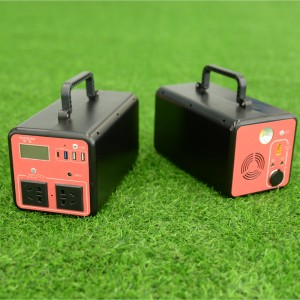
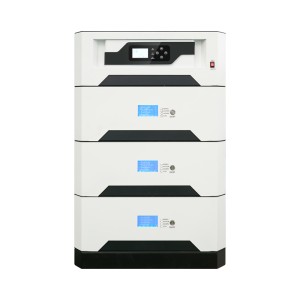
Solar Power: Zero emissions, no fuel costs, silent operation, and simple maintenance, but reliant on sunlight, high initial cost, and limited power capacity.
2. By structural type:
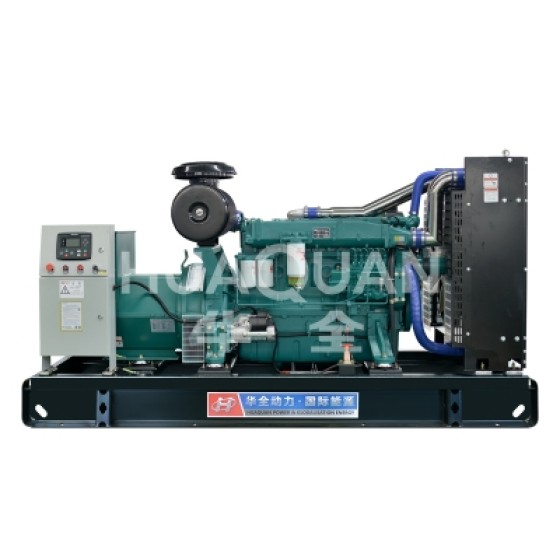
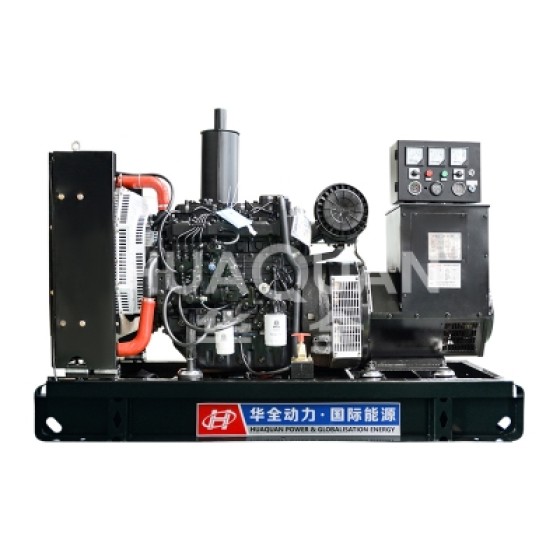
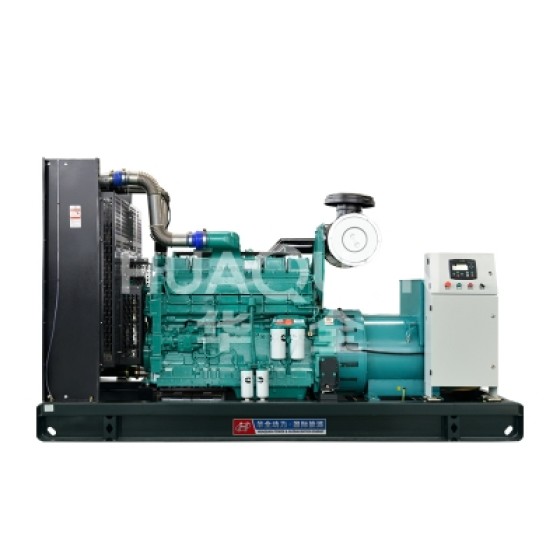
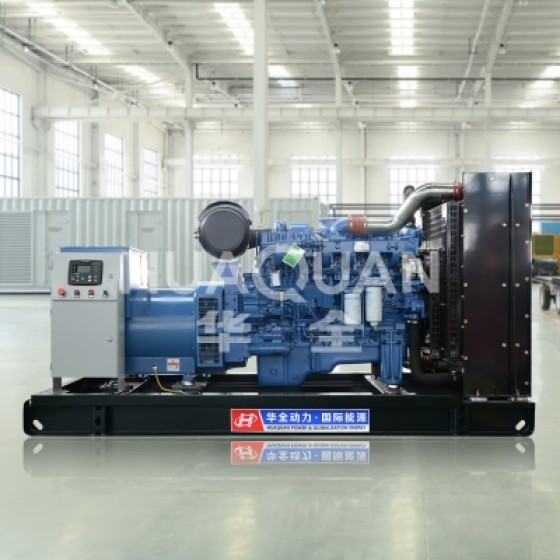
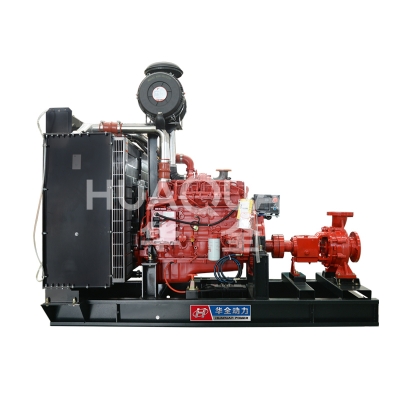
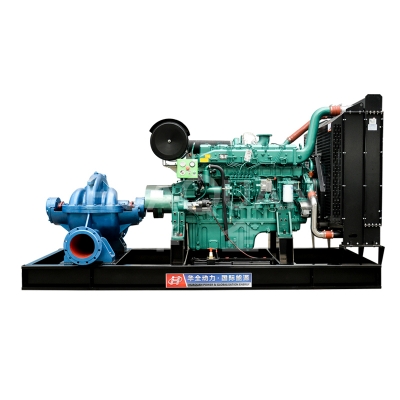
Open-frame generators: Lower cost, excellent heat dissipation, easy maintenance, but high noise levels requiring outdoor installation.
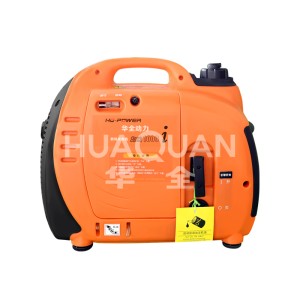
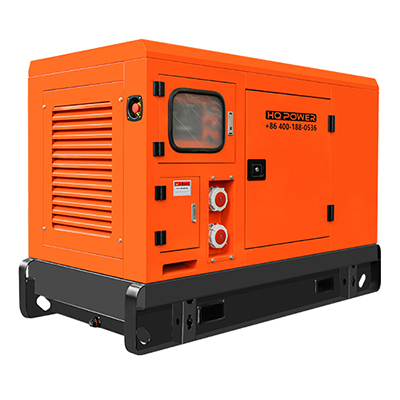
Silent generators: Low noise, rain and dust resistant, aesthetically pleasing. However, higher cost and poorer heat dissipation.
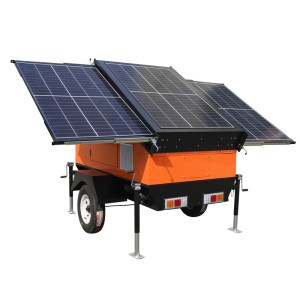
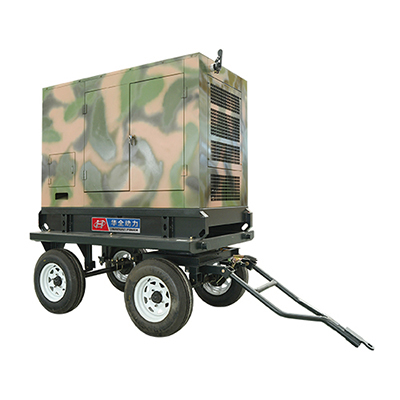
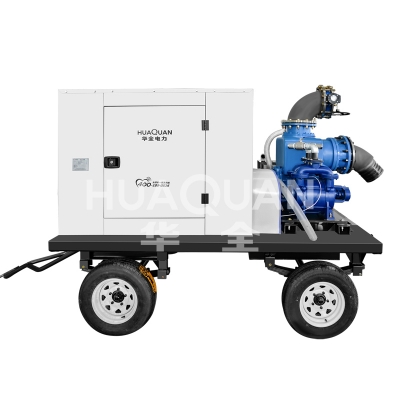
Mobile trailer generators: Highly mobile and flexible, high power capacity, but require significant storage space and come at a higher cost.
III. Key Features and Parameters to Consider
Beyond basic power ratings and types, the following features warrant attention:
1. Noise Level: Measured in decibels (dB). For outdoor use, models with slightly higher noise levels may be acceptable, while home or camping applications require low-noise designs (ideally below 60 dB).
2. Runtime: Continuous operating duration under full and partial load determines how frequently fuel needs replenishing.
3. Output Ports: Verify sufficient quantity and variety of outlets (120V household outlets, 240V high-power outlets, USB ports, etc.).
4. Control System: The basic model offers manual start-up for high cost-effectiveness; automatic transfer switch (ATS) models are recommended for home or commercial settings to enable unattended operation. For premium needs, choose smart cloud monitoring models to remotely view operational status via mobile apps.
5. Safety Features: Must include overload protection, short-circuit protection, and ground fault protection. Some models also feature low-oil alerts to prevent equipment damage.
6. Portability: Consider weight and dimensions relative to your transport capacity. Check for wheel and handle designs.
7. Parallel Operation: Some inverter generators support paralleling two units to increase power output.
8. Auxiliary Features: For outdoor use, choose models with rain covers, casters, and handles for easy movement and storage. For powering precision equipment, select models with voltage regulators to ensure stable output.
IV. Brand and Maintenance Considerations
Prioritize brands with strong reputations and comprehensive service networks. Avoid purchasing counterfeit products—these items not only lack quality assurance but may also face penalties for failing emissions standards, with no after-sales support available.
Premium International Brands: Top-tier performance but higher price points, suitable for industrial or specialized applications demanding extreme reliability.
Domestic Mainstream Brands: High cost-effectiveness with extensive service coverage, suitable for homes, commercial spaces, and general industrial settings—the preferred choice for most users.
Maintenance Requirements: Regular oil changes (after 20–50 hours of initial use, then every 100 hours or quarterly), cleaning or replacing air filters, using fuel stabilizers (especially for gasoline generators left unused long-term), and battery maintenance.
Special Note: Local service support outweighs brand recognition! Before purchasing, verify authorized service centers within 100 km, spare parts availability, and emergency response times to prevent delays in repairs after equipment failure.
V. Common Misconceptions
1. Focusing solely on peak power while ignoring rated power. Peak power is only suitable for short-term operation; long-term use requires adhering to rated power specifications. Beware of merchants falsely inflating power ratings.
2. Purchasing refurbished or substandard units for cost savings. Some sellers substitute aluminum for copper wiring or cut corners in manufacturing. Such equipment has short lifespans, poses significant safety risks, and may exhibit issues like repainting marks, worn screws, or abnormal operating hour readings. Exercise careful scrutiny.
3. Neglecting installation and operating environment. Generators produce carbon monoxide during operation and must be used outdoors in well-ventilated areas. They should be placed on level ground to prevent vibration damage to components.
4. Overlooking maintenance costs. While diesel generators have higher upfront costs, they offer lower fuel consumption and longer lifespans. Gasoline generators are cheaper initially but incur higher long-term fuel expenses. Calculate total lifecycle costs based on usage frequency.
VI. Different Application Scenarios for Generators
Generator requirements vary significantly across different scenarios. Identifying the specific scenario can quickly narrow down your options:
1. Home Emergency Use: Prioritize quiet, easy-to-operate portable gasoline generators or small diesel generators with a recommended power output of 5-10kW. This avoids noise disturbance to neighbors while meeting power demands for refrigerators, lighting, and small appliances.
2. Retail/Small Businesses: Balance stability and load capacity. For retail stores and restaurants, opt for 20-30kW silent box-type generators to sustain refrigeration units, POS systems, and other critical equipment.
3. Outdoor Camping/Work: Portability is key. Opt for compact 1-3kW gasoline generators or solar generators—small, lightweight, and low-noise for outdoor environments.
4. Industrial/Construction Sites: Prioritize heavy-duty diesel generators above 50kW. Durable, fuel-efficient, and suited for harsh outdoor conditions, they power high-capacity equipment like concrete mixers and heavy tools for extended periods.
5. Specialized Settings (Hospitals, Data Centers): Reliability and stability are paramount. Select industrial-grade high-power generators paired with an Automatic Transfer Switch (ATS) system. This ensures automatic startup during power outages and seamless switching back to utility power, guaranteeing uninterrupted supply.
Selecting a generator is no simple task, but by systematically evaluating your needs, calculating power requirements, and comparing types and features, you're sure to find the equipment best suited to your situation. A properly chosen generator isn't just a power source—it's a safety net and a convenience for daily life. Take the time to make an informed choice, and when the power goes out, you'll thank yourself for today's careful decision.