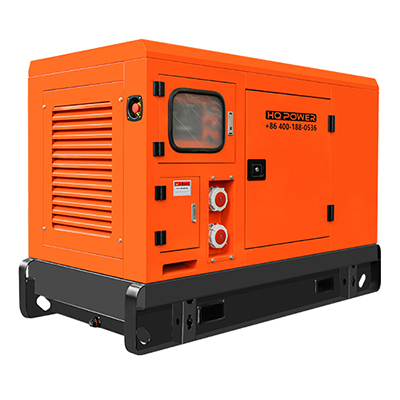
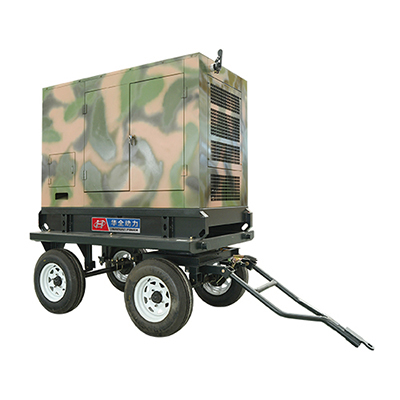
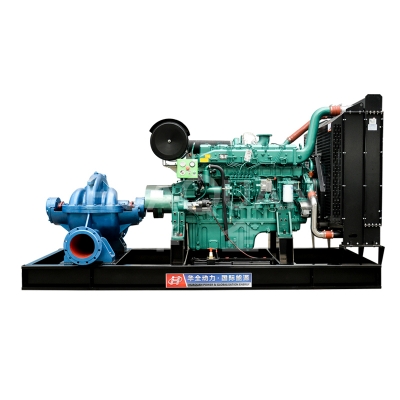
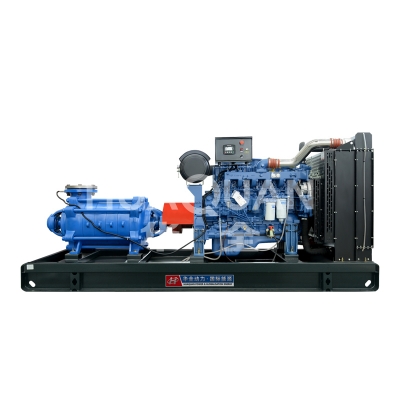
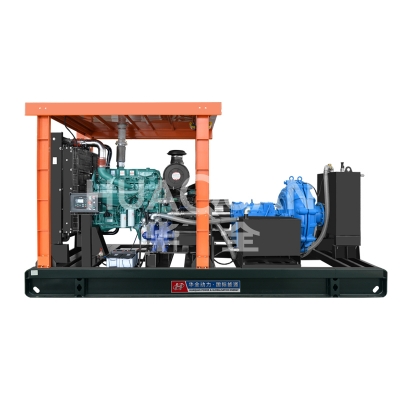
Advantages of Gas Generator
Amid the global shift toward cleaner and more diversified energy structures, gas generators have emerged as pivotal equipment bridging traditional and new energy sources, leveraging their core advantages of high efficiency, environmental friendliness, and operational flexibility. Fueled by combustible gases such as natural gas, biogas, and coalbed methane, these units convert energy to generate electricity. Widely deployed across power supply assurance, industrial production, and ecological recycling sectors, they play an indispensable role in building new power systems.
I. Gas Generator
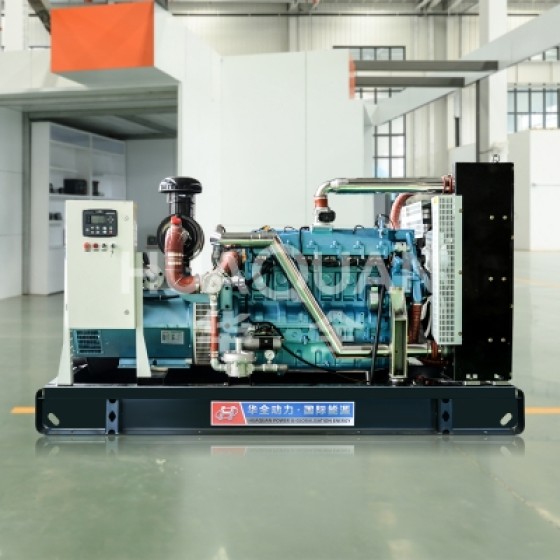
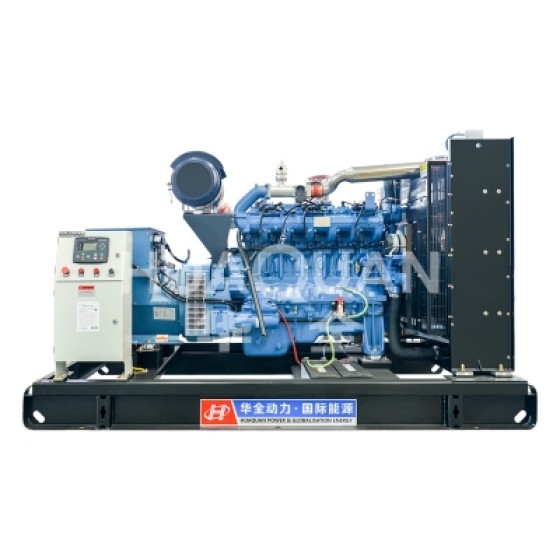
A gas generator is a power generation device that utilizes combustible gases such as natural gas, biogas, and coalbed methane as fuel. It converts the chemical energy of the fuel sequentially into thermal energy and mechanical energy, ultimately transforming it into electrical energy. With its advantages of high efficiency, environmental friendliness, and flexibility, it has become a key piece of equipment bridging traditional and new energy sources, finding widespread application in multiple fields including power supply security.
II. Huaquan: Professional Manufacturer of Gas Generators
As a specialized manufacturer with years of expertise in the power equipment sector, Huaquan remains dedicated to the R&D, production, and system integration of gas generators. Leveraging advanced technology platforms and stringent quality management systems, we develop a comprehensive range of gas generator sets—from light commercial to heavy industrial applications. Our products are widely deployed in distributed energy systems, data center backup power, commercial/industrial energy storage and peak shaving, and remote area power supply. Leveraging high efficiency, energy savings, stability, reliability, and intelligent control, we deliver customized clean energy solutions. Beyond product supply, Huaquan is committed to becoming a trusted global power partner through professional technical support and full lifecycle services.
III. Core Advantages of Gas-Fueled Generators
Compared to traditional coal-fired and diesel generators, gas-fueled generators demonstrate core competitiveness across four dimensions—efficiency, environmental performance, economics, and flexibility—perfectly aligning with modern energy development needs:
1. Leading Energy Efficiency
Through combined heat and power (CHP) technology, gas generators achieve simultaneous electricity and heat production with over 90% waste heat recovery. Advanced models further optimize efficiency through technical enhancements, adapting to varying load demands.
2. Outstanding Environmental Performance
Gas combustion achieves near-complete combustion, reducing carbon emissions to approximately half that of coal-fired units. A single unit can cut annual CO₂ emissions by up to 5,000 tons. Combined with premixed combustion technology and SCR denitrification systems, NOx emissions are controlled below 250 mg/Nm³; Certain models also support hydrogen co-firing technology, enabling a further 50% reduction in NOx emissions after blending 30% hydrogen, fully meeting stringent environmental regulations.
3. Stable Economic Returns
Despite relatively high initial investment, gas generator payback periods typically range from 3 to 5 years. Profit margins are enhanced through peak-off-peak electricity price differentials and waste heat heating revenue. Meanwhile, modular design and AI predictive maintenance technology reduce operational costs by 30% and extend overhaul cycles to 60,000 hours, significantly lowering total lifecycle costs.
4. Exceptional Operational Flexibility
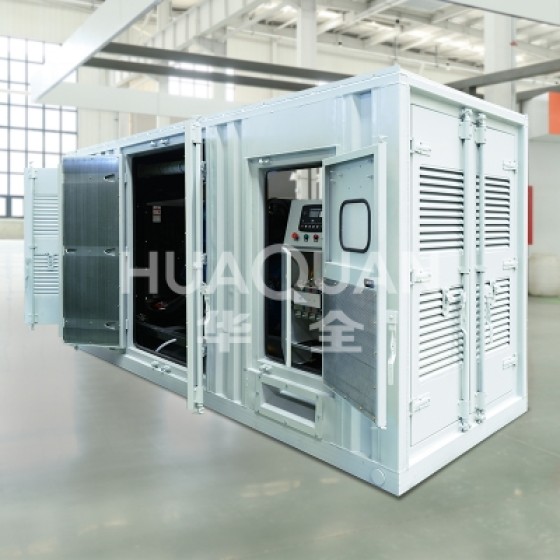
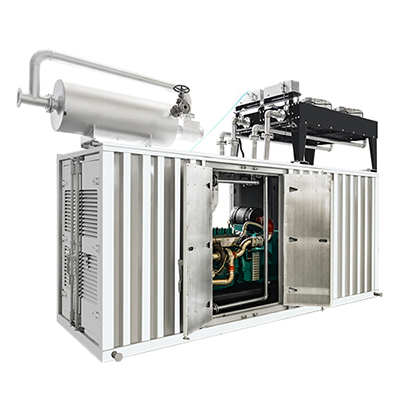
Gas generators feature rapid startup capabilities, with some containerized units achieving 0-100% load response within 10 seconds. They support seamless grid integration and black start capability, ensuring 99.99% power reliability for critical facilities like hospitals and data centers. Additionally, they flexibly accommodate renewable energy fluctuations—when wind or solar output becomes unstable, gas generators swiftly adjust power output, acting as a “stabilizer” for renewable energy integration.
IV. Future Outlook for Gas Generators
Looking ahead, technological innovation is driving continuous evolution:
1. Fuel Diversification and Low-Carbonization: Developing generators capable of efficiently combusting hydrogen, biomass gases (e.g., biogas), and synthetic methane. Particularly, “hydrogen-blended combustion” and even pure hydrogen power generation technologies are regarded as key pathways to achieve deep decarbonization. Some advanced models can already achieve hydrogen blending ratios exceeding 20%.
2. Efficiency Breakthroughs and Intelligent Management: Further enhancing efficiency and reliability through material upgrades, smart control systems, and novel cycles. Gas generators are deeply integrating into the Internet of Things, becoming responsive nodes in smart energy networks.
3. Policy and Market Drivers: Carbon pricing mechanisms and the refinement of ancillary power services markets will more accurately reflect the market value of gas generator in terms of flexibility and reliability, enabling it to establish sustainable business models within the energy transition.
V. Frequently Asked Questions About Gas Generators
1. Are the operating and maintenance costs high?
The initial purchase cost is typically higher than that of diesel generators of equivalent power. However, fuel costs and maintenance expenses may be lower. The total cost of ownership requires a full lifecycle assessment based on specific operating hours and fuel prices.
2. What key points should be noted for daily maintenance of gas generators?
Regularly replace engine oil and filters to ensure proper lubrication of components;
Inspect and clean air filters every 50-100 hours to prevent contaminants from entering the engine;
Monitor spark plug condition and replace every 500-1000 hours to maintain ignition efficiency;
Maintain the cooling system by flushing coolant every 2-3 years and checking for leaks in the piping;
Maintain a maintenance log and prioritize remote monitoring and predictive maintenance technologies.
3. What key factors should be considered when selecting a gas generator?
Power Requirements: Determine continuous operating power and standby power needs.
Fuel Availability and Cost: Assess local natural gas pipeline coverage or the convenience of liquefied petroleum gas (LPG) supply.
Environmental Regulations: Local emission limits for nitrogen oxides and carbon emissions.
Operating Mode: Continuous operation, peak shaving, or standby only—this impacts generator selection and maintenance planning.
Grid Integration Requirements: Need for grid-connected operation and compliance with relevant grid connection standards.
Heat Demand: Consistent thermal/cooling requirements to evaluate combined heat and power (CHP) systems.
VI. Application Scenarios for Gas Generators
Leveraging their inherent advantages, gas generators have established a comprehensive application framework spanning from large-scale power plants to distributed energy systems, covering multiple sectors including industrial, commercial, agricultural, and emergency applications:
1. Industrial Park Energy Hub
In industrial zones like steel and chemical plants, the integrated solution of coke oven gas power generation and waste heat steam utilization enables resource recovery from industrial exhaust gases. Dual-pressure waste heat boilers combined with gas purification pretreatment technology can handle high-concentration industrial emissions, achieving both environmental compliance and operational efficiency.
2. Building Combined Heat, Power, and Cooling (BCHP) in Urban Complexes
Within urban complexes such as office buildings and hotels, building-integrated BCHP systems combine micro-combustion engines with lithium bromide chillers to deliver integrated solutions for electricity generation, winter heating, and summer cooling. This approach boosts overall energy efficiency by 40% and reduces air conditioning costs by 50%, perfectly aligning with urban low-carbon development requirements.
3. Agricultural Ecological Cycle
Utilizing biogas generated from livestock manure as fuel, integrated with desulfurization and decarbonization equipment alongside waste heat recovery systems, this approach achieves a closed-loop cycle of “manure treatment – biogas power generation – organic fertilizer production.” This solution addresses agricultural pollution while providing stable energy support for rural revitalization.
4. Emergency and Peak-Shaving Power Supply
During extreme weather or grid failures, gas generators serve as emergency power sources to ensure critical facility operations. Simultaneously functioning as peak-shaving power, their rapid ramping capability effectively addresses electricity surges during high-demand periods.
Gas generators serve as a bridge connecting traditional fossil fuels with new energy sources. Their high efficiency, environmental friendliness, and flexibility perfectly align with the demands of modern energy system development. From industrial production to public welfare, from emergency supply to new energy integration, they empower low-carbon transformation across all industries through diverse solutions. With ongoing technological innovation and policy refinement, gas generators will become indispensable key equipment in the future energy landscape.