XN(XN6E)-A-DTLS-300x300.jpg)
-300x300.jpg)
-300x300.jpg)
XN(XN4ES)-Z珊瑚红-300x300.png)
-300x300.jpg)
-300x300.jpg)


The Importance of Hospital Backup Generator
In every corner of the hospital—from the shadowless lights in operating rooms to the monitors in ICUs, from defibrillators in emergency rooms to refrigeration equipment in pharmacies—electricity serves as the lifeblood sustaining all life. When the city power suddenly fails, an invisible defense line swiftly activates: the hospital backup generator. With millisecond-level responsiveness, it takes over the critical task of power supply, safeguarding the hope of life with stable electricity. As the core equipment for emergency support within the healthcare system, hospital backup generators have long transcended the scope of ordinary power generation equipment, becoming a crucial benchmark for measuring a hospital's safety standards.
I. Hospital Backup Generators
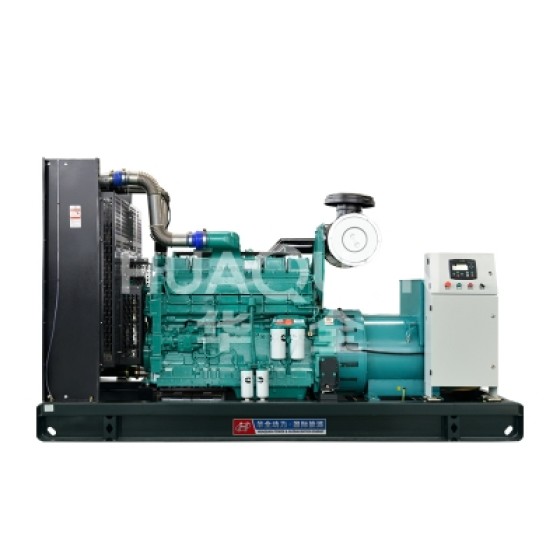
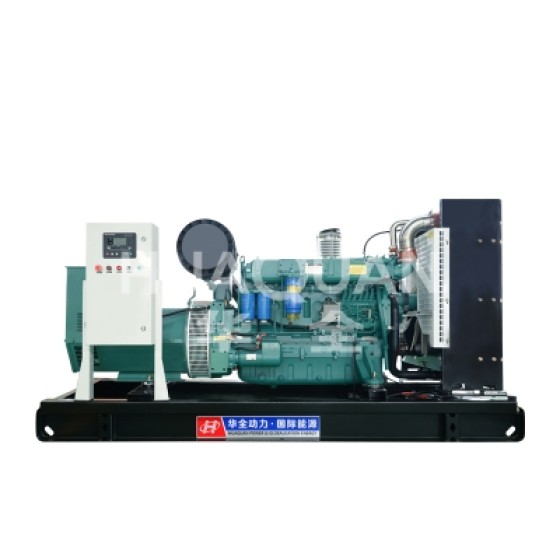
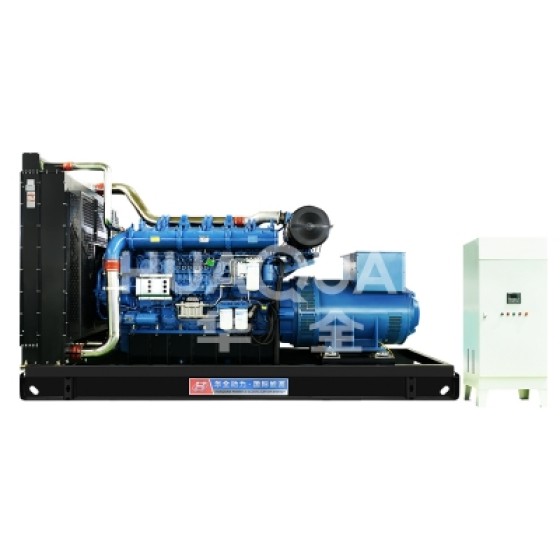
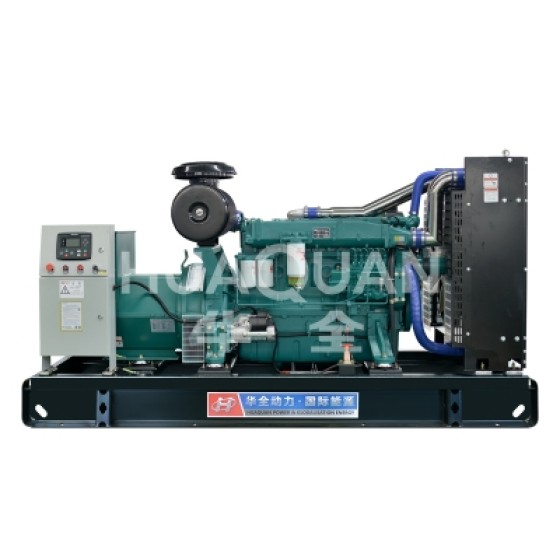
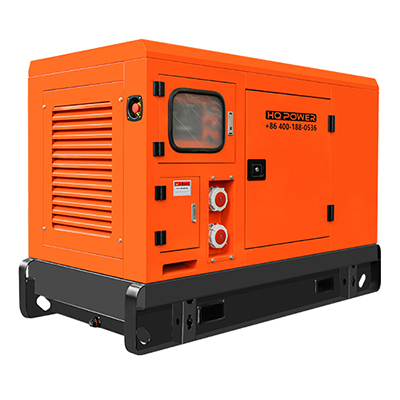
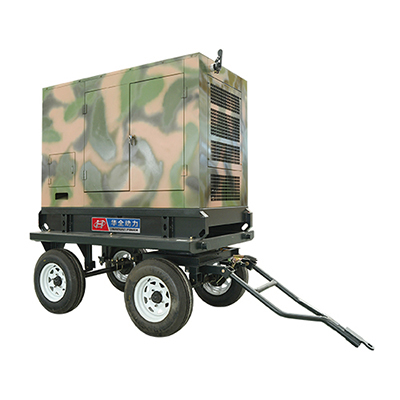
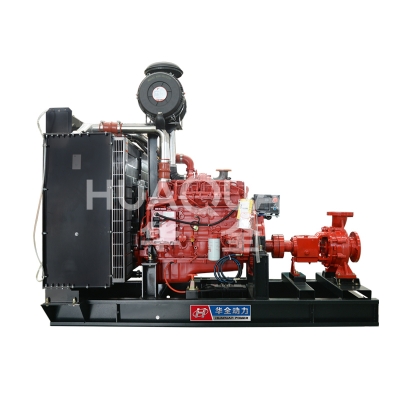
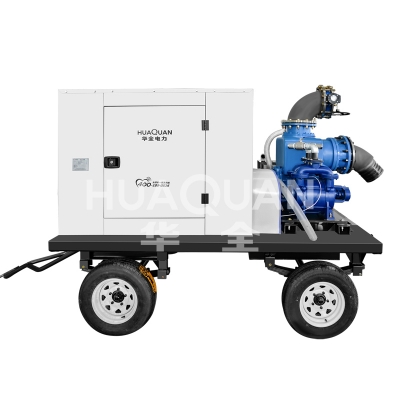
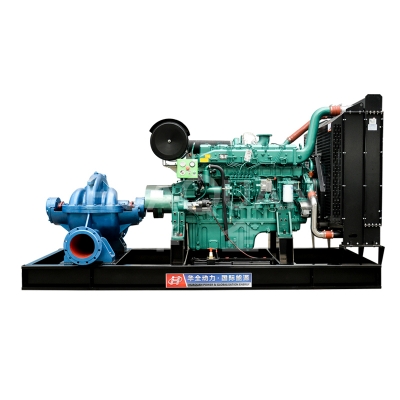
Hospital backup generators are emergency power supply equipment specifically designed for healthcare settings. Their core function is to rapidly activate and assume power supply responsibilities during sudden mains power interruptions, providing stable, continuous electrical support to critical areas and equipment such as operating rooms, ICUs, and refrigeration systems. They serve as the “last line of defense” for medical systems in addressing prolonged power outages and safeguarding patient care. Their operation must meet the hospital's highly sensitive, zero-tolerance power requirements while complying with relevant industry and international standards.
II. Huaquan: Professional Manufacturer of Hospital Backup Generators
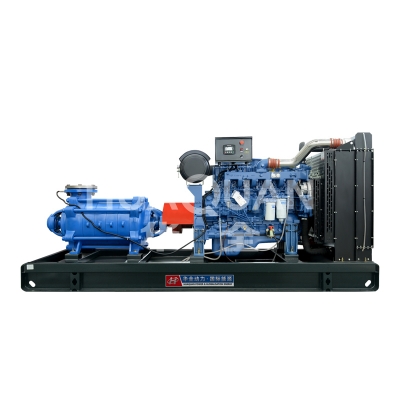
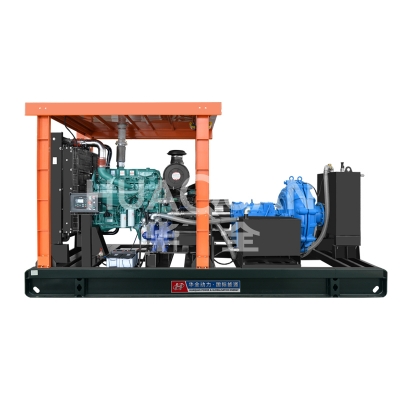
Huaquan is a manufacturing enterprise with deep expertise in medical backup power solutions, dedicated to providing highly reliable, customized power generation systems for healthcare institutions worldwide. With advanced R&D and stringent quality control at its core, the company produces a series of hospital-specific backup generators capable of second-level automatic switching during primary power outages. This ensures continuous power supply to critical departments such as operating rooms and intensive care units. Leveraging its deep understanding of healthcare safety standards, Huaquan not only delivers efficient and durable power generation equipment but also provides comprehensive design, installation, and maintenance services. Committed to being the solid backbone of hospitals' power lifelines, Huaquan safeguards medical safety and protects patient lives.
III. Core Value of Hospital Backup Generators
Hospital power demands exhibit distinct characteristics of “high sensitivity” and “zero tolerance.” Any brief power interruption may trigger fatal consequences. Sudden power outages during surgery could lead to procedure interruptions and patient hemorrhage; ventilator shutdowns in ICUs directly threaten critically ill patients' lives; and refrigeration equipment failures render vaccines and medications ineffective, disrupting subsequent treatments. Statistics show that large tertiary hospitals consume tens of thousands of kilowatt-hours daily, with critical equipment demanding uninterrupted power supply. While traditional UPS systems provide short-term backup (typically 10-15 minutes), they cannot sustain prolonged outages. Thus, hospital backup generators serve as the “last line of defense” for power supply security.
During extreme weather or unexpected grid failures, the reliability of backup generators directly determines the success of medical rescue efforts. For instance, when severe typhoons cause widespread grid outages, hospital generators must activate simultaneously to sustain critical areas like operating rooms and emergency departments, providing robust power support for post-disaster relief. This “never-fail-at-critical-moments” characteristic makes hospital backup generators an indispensable core component of the medical safety system.
IV. Selection of Hospital Standby Generators
Selecting hospital standby generators involves more than simple power summation. It requires comprehensive consideration of factors such as hospital scale, equipment load, and operational scenarios, with the core focus on balancing reliability, cost-effectiveness, and applicability.
Regarding power selection, demand varies significantly across different hospital sizes. Small community hospitals or health service centers, with fewer devices, typically require generator sets ranging from 200kW to 500kW to meet basic emergency needs. Medium-sized general hospitals (approximately 300 beds) must handle loads from equipment like CT scanners and biochemical analyzers, necessitating units ranging from 500kW to 1000kW. Large tertiary hospitals, equipped with high-power devices such as MRI machines and linear accelerators, often require multiple units operating in parallel, with total capacity exceeding 1000kW or even reaching several megawatts. More critically, hospitals must strictly differentiate between “rated power” and “standby power” to prevent equipment overload from incorrect selection. International standards explicitly define Emergency Standby Power (ESP) as designed for healthcare settings, permitting annual operation not exceeding 200 hours with average 24-hour output not exceeding 70% of rated power. In contrast, the “rated power” commonly specified domestically is intended for long-term continuous operation scenarios.
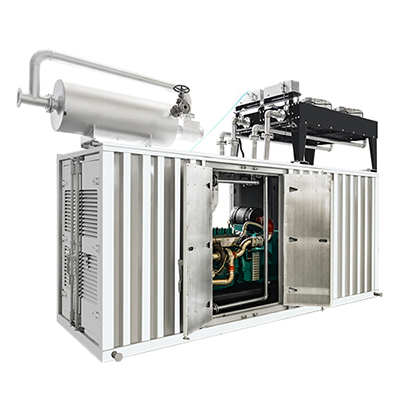
From a equipment type perspective, diesel generator sets have become the mainstream choice for hospitals due to their rapid startup, stable operation, and high-quality electrical output, making them particularly suitable for regions with unstable power grids or frequent outages. Gas generator sets, with their low noise levels and ability to recover waste heat, suit hospitals with stringent environmental requirements, though they present challenges of high initial investment and complex maintenance. UPS (Uninterruptible Power Supply) systems are often deployed alongside generator sets to provide “transitional power” during the gap between mains failure and generator startup, forming a dual-protection system of “short-term emergency response + long-term reliability.”
V. FAQs on Hospital Standby Generators
1. What are the key advantages of intelligent hospital standby generators?
Rapid Seamless Switchover: Equipped with electronic speed control systems and ATS devices, they start within seconds after mains power failure and take over the load, achieving “zero-perception switching” to prevent medical equipment shutdowns.
Remote Monitoring and Early Warning: Through IoT and big data technologies, maintenance personnel can remotely monitor over 20 parameters including voltage and oil pressure. Automatic alerts are triggered during equipment anomalies, significantly reducing failure risks.
Medical Environment Compatibility: Soundproof design reduces noise below 75dB(A), meeting residential nighttime standards to avoid patient disturbance. Modular construction allows power expansion as needed, controlling future upgrade costs.
2. What are the key points for routine maintenance of hospital backup generators?
Routine Inspection: Conduct comprehensive inspections of water, electrical, fuel, and gas systems every six months or annually. Replace consumables such as air filters and diesel filters. Top up battery electrolyte. Perform 5-10 minute no-load test runs monthly.
Tiered Maintenance: - Level 1 Maintenance (50-80 operating hours): Clean filters, inspect belts. - Level 2 Maintenance (250-300 hours): Inspect core components like pistons. - Level 3 Maintenance (500-1000 hours): Adjust fuel injection timing, clean fuel tank.
Standardized Management: Establish a dedicated power department. Maintenance personnel must hold special operation certificates. Maintain equipment records and strictly adhere to Chinese standard WS 434-2013 and international standards NFPA 110, NFPA 99, etc.
3. How to ensure backup generators start normally during extreme weather (e.g., typhoons, blizzards)?
Environmental Protection: Locate generator rooms on elevated ground with waterproofing, windproofing, and freeze protection. Equip with emergency drainage pumps and insulation.
Fuel Reserve: Stockpile fuel sufficient for over 72 hours of full-load operation. Regularly inspect fuel quality to prevent freezing or degradation.
Pre-Event Testing: Conduct load testing 1-2 weeks before extreme weather arrives. Inspect critical components like ATS switching devices and battery capacity to ensure equipment is in optimal condition.
VI. Application Scenarios for Hospital Backup Generators
1. Operating rooms, as the core facilities for life-saving procedures, require uninterrupted power supply for equipment such as electric operating tables and anesthesia machines. Backup generators must activate instantly upon mains power failure to prevent critical risks like massive hemorrhage or anesthesia complications caused by surgical interruptions.
2. In the ICU (Intensive Care Unit), ventilators, monitors, and other equipment operate 24/7. A power outage directly threatens critically ill patients' lives. Backup generators must provide stable power to sustain vital sign monitoring and essential treatments.
3. As the frontline of emergency care, the emergency room requires defibrillators, electrocardiogram machines, and emergency ventilators to remain on standby at all times. Backup generators must ensure uninterrupted emergency rescue operations, securing the critical golden hour for patient treatment.
4. Refrigeration equipment in pharmacies and reagent departments requires a constant low-temperature environment. Power outages exceeding 10-15 minutes may cause vaccines to become ineffective and medications to deteriorate. Backup generators must integrate with UPS systems to ensure seamless power transfer, safeguarding the integrity of pharmaceuticals and reagents.
5. Inpatient wards require continuous power supply for nurse call systems, lighting systems, and elevators (especially medical elevators). This prevents patients from being unable to summon medical staff during emergencies or facing danger from elevator entrapment.
6. The hospital's fire protection systems (such as fire pumps, emergency lighting, and smoke exhaust fans) are critical safeguards during emergencies like fires. Backup generators must ensure their normal operation to support personnel evacuation and firefighting efforts.
7. During prolonged power outages caused by extreme weather (such as typhoons, blizzards, or torrential rains), grid upgrades, or line failures, backup generators must operate around the clock to provide continuous power to the hospital's core areas, ensuring stable medical operations.
Hospital backup generators—these “steel giants” that stand quietly year-round in their machine rooms—remain largely unknown to patients yet steadfastly guard the hospital behind the scenes. As the healthcare industry continues to evolve, hospitals' demands for backup power sources will grow increasingly stringent. Smarter, more reliable, and more environmentally friendly generator sets will become the future direction. Yet regardless of technological advancements, the core mission of hospital backup generators remains unchanged: safeguarding lives. By delivering stable power to support medical rescue efforts, they serve as an unyielding “beacon of life.”