XN(XN6E)-A-DTLS-300x300.jpg)
-300x300.jpg)
-300x300.jpg)
XN(XN4ES)-Z珊瑚红-300x300.png)
-300x300.jpg)
-300x300.jpg)


Advantages and Applications of Power Plant Generators
In modern energy systems, power plant generators serve as the core equipment ensuring uninterrupted and stable electricity supply. As an internationally recognized term for power equipment, power plant generators encompass the essential devices used for sustained electricity production across all types of power stations. Whether supporting large-scale thermal and hydroelectric bases that sustain urban operations, isolated power stations securing production and daily life in remote areas, or backup power systems for critical scenarios like data centers and medical facilities, they play an indispensable role.
I. Power Plant Generators
Power Plant Generators refer to generator sets and their supporting systems capable of uninterrupted, long-term stable operation. They are typically deployed in scenarios demanding extremely high continuity of power supply. Their defining characteristic is “continuity”—not only in the durability of the generators themselves, but more critically in achieving zero or near-zero interruptions in power output throughout the entire electricity supply chain. Widely deployed in large power plants, industrial production, critical public service scenarios, and remote area power supply, they serve as the core hub connecting primary energy sources to end-user electricity demand.
II. Huaquan: Professional Manufacturer of Power Plant Generators
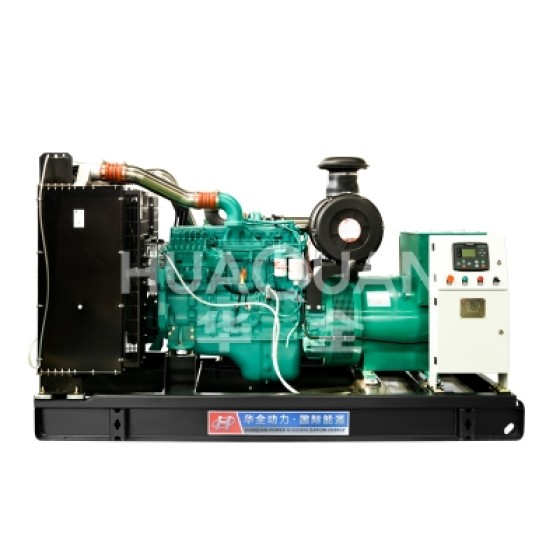
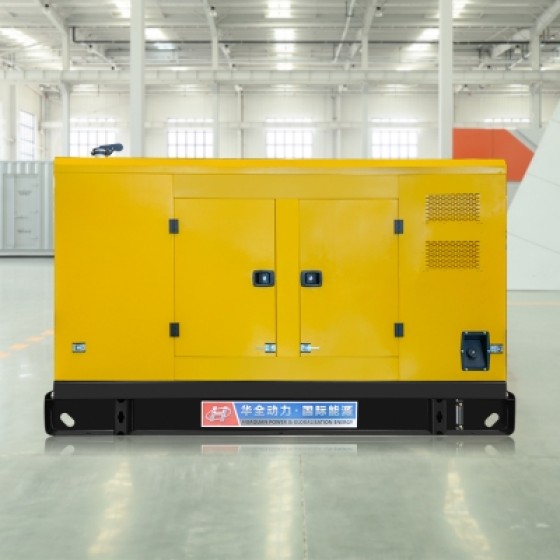
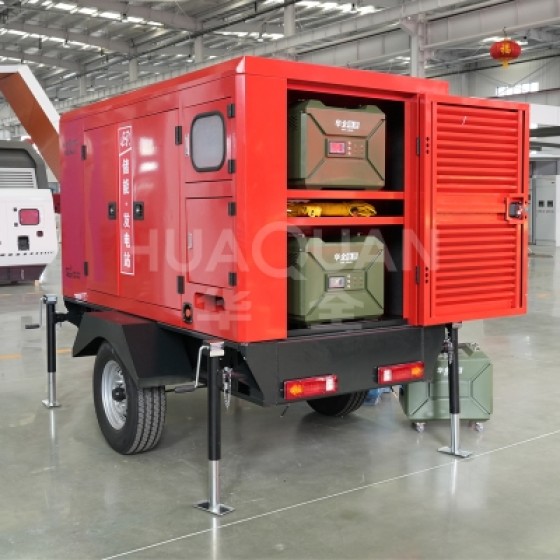
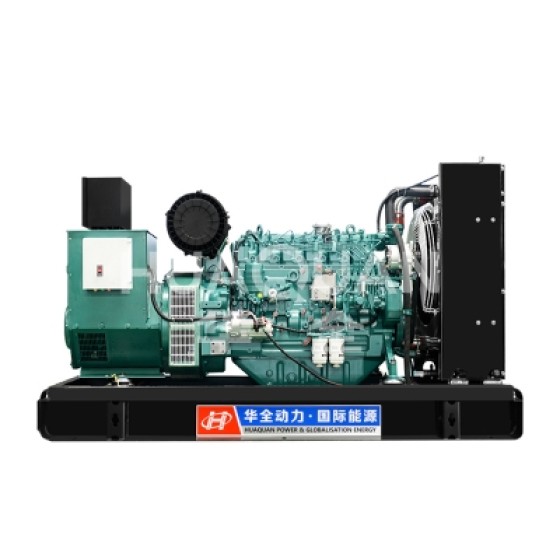
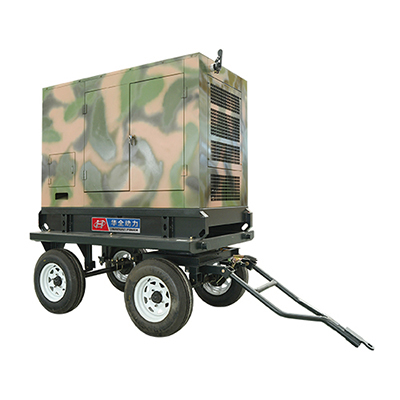
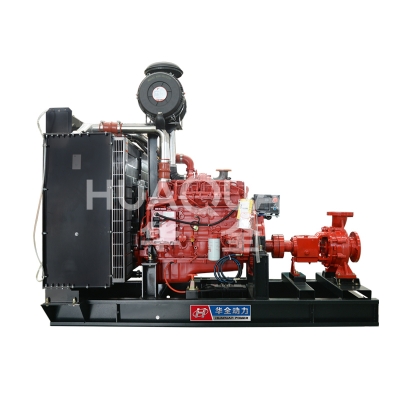
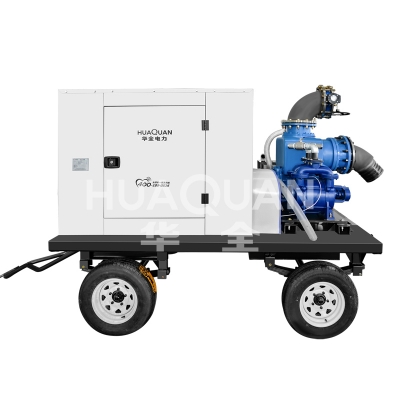
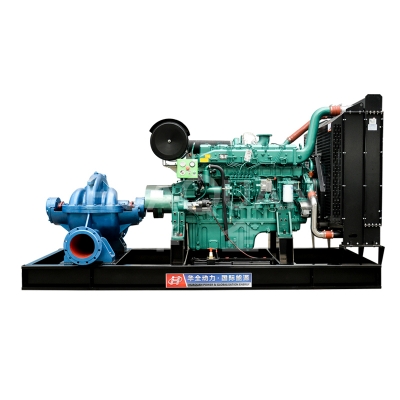
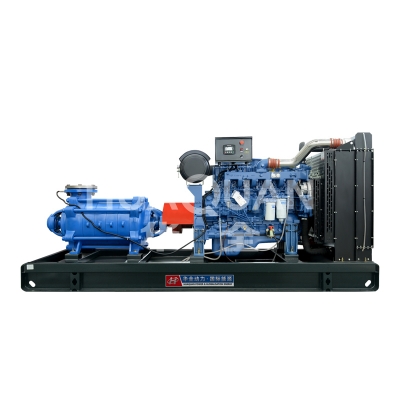
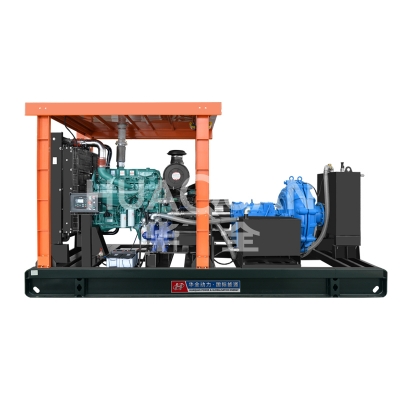
As a specialized manufacturer and solutions provider in the field of continuous power station generation systems, Huaquan remains committed to delivering uninterrupted, absolutely reliable power protection for critical infrastructure worldwide. Huaquan not only offers a comprehensive product line covering multiple power ratings but also possesses robust customization capabilities. Its generators feature pure copper brushless motors and intelligent control systems, delivering core advantages such as low temperature rise, excellent grid-connection performance, and minimal waveform distortion. Designed to adapt to complex and demanding environments like mining sites and construction zones, Huaquan fully meets continuous power supply requirements, perfectly embodying the stringent standards of qualified power plant generators.
III. Advantages of Power Plant Generators
1. High Reliability
Constructed with wear-resistant, high-temperature-tolerant premium materials and subjected to rigorous extreme-condition testing, these generators achieve tens of thousands of hours of continuous, trouble-free operation. Their Mean Time Between Failures (MTBF) significantly exceeds that of conventional generators.
2. Strong Load Regulation Capability
Equipped with high-precision speed control and excitation systems, it rapidly responds to grid load fluctuations. It operates smoothly across the 10%-100% rated load range, maintaining voltage and frequency fluctuations at extremely low levels.
3. High Efficiency and Energy Savings
Through electromagnetic optimization design and low-loss core and winding technology, the comprehensive energy efficiency ratio exceeds 98%, significantly reducing energy consumption and power generation costs during long-term operation.
4. Wide Compatibility
Precisely matches various prime movers including steam turbines, hydro turbines, and gas turbines. Compatible with multiple energy sources such as thermal power, hydroelectricity, and gas-fired generation. Supports both 50Hz and 60Hz grid frequencies across different regions.
5. Easy Maintenance
Key components are designed with convenient access for inspection, while an intelligent monitoring system enables fault early warning and remote diagnostics, reducing operational complexity and costs.
Qualified power plant generators must comprehensively possess these advantages to withstand demanding operating conditions across diverse scenarios.
IV. Daily Operation and Maintenance of Power Plant Generators
Daily operation and maintenance are critical to ensuring continuous operation. For power plant generators, a routine inspection and maintenance mechanism must be established:
1. Regularly inspect the insulation performance of stator windings and the contact condition of rotor slip rings and brushes. Promptly clean impurities from the cooling system to ensure effective heat dissipation.
2. Utilize oil analysis and vibration monitoring to predict potential failures such as bearing wear and rotor imbalance.
3. Employ intelligent monitoring systems to collect real-time data on power output, temperature, voltage, and other parameters, enabling early detection and resolution of anomalies.
V. FAQs on Power Plant Generators
1. How do I select the appropriate power plant generators system for my facility? What key factors should be considered?
Load Demand Analysis: Accurately calculate the total power requirements of critical equipment, start-up inrush currents, and sensitivity to power quality (voltage and frequency stability).
Redundancy Level Requirements: Determine the system architecture based on business continuity needs, such as distributed redundancy or 2N full redundancy.
Fuel Strategy: Select diesel, natural gas, or dual-fuel systems based on local fuel availability, storage safety regulations, and environmental requirements.
Space and Installation Environment: Evaluate equipment room space, load-bearing capacity, ventilation/cooling, and noise control requirements.
Intelligent Management: Determine need for remote monitoring and integration with Building Management Systems (BMS) or utility grids.
Total Lifecycle Cost: Holistically consider initial investment, operational expenses, fuel efficiency, and equipment lifespan.
2. What are the future development trends for power plant generators?
Key trends focus on intelligentization, greening, and system integration:
Deep Intelligence: Integrating IoT, digital twins, and AI to evolve from “post-failure response” to “pre-failure prediction,” autonomously optimizing operational efficiency.
Green and Low-Carbon Transition: Wider adoption of low-carbon fuels (e.g., biodiesel, hydrogen co-firing) and integration with solar power and energy storage batteries to form hybrid microgrids, enhancing system flexibility and environmental sustainability.
Deep Grid Integration: Functioning as “flexible regulation nodes” within the grid, these units not only provide backup power but also participate in auxiliary services like grid frequency regulation and demand response, bolstering the resilience of the entire energy system.
3. How to distinguish between continuous power, prime power, and standby power during selection?
The core difference lies in their applications and operational requirements:
Continuous power (COP) is suitable for scenarios with fixed loads and long-term uninterrupted operation, enabling stable full-load operation without considering load fluctuations.
Power Rating for Regular Operation (PRP) is suitable for extended operation with significant load fluctuations, where cumulative runtime does not exceed 250 hours per 12-hour period and load variations remain within 10% of rated power.
Standby Power is exclusively for emergency power outage scenarios, typically operating no more than 200 hours annually. Selection must precisely match load stability and operational duration requirements.
VI. Applications of Power Plant Generators
Unlike intermittent power generation equipment, power plant generators are fundamentally required to deliver “round-the-clock, long-cycle, stable output.” Their applications span multiple critical sectors including energy, industry, and public services, all of which demand stringent continuity in power supply:
1. In large thermal power plants and hydroelectric stations, they serve as primary power generation equipment, operating stably alongside steam turbines and hydro turbines to support the base load of regional grids, ensuring electricity for production and daily life in cities with populations in the tens of millions.
2. In industrial settings such as petrochemical plants and mining operations, they must withstand harsh environments like high temperatures and heavy dust, providing uninterrupted power for continuous production to prevent major economic losses from production line shutdowns and equipment damage caused by power outages.
3. In critical public and commercial settings such as data centers, hospital intensive care units, and financial institution core server rooms, they serve as the core backup power source and must deliver millisecond-level seamless switching capability, instantly activating power supply upon utility grid interruption to ensure data storage security, uninterrupted medical equipment operation, and continuous financial transactions.
4. In areas with weak grid coverage, such as remote villages and border outposts, they form standalone power stations when paired with small-scale renewable energy systems or diesel generators, addressing the basic electricity needs of local residents and powering essential infrastructure.
As a core pillar of the energy supply system, the continuous technological evolution and industrial upgrading of power plant generators directly impact global energy security and sustainable development. In the future, with the ongoing refinement of international standards and continuous technological breakthroughs, they will play an increasingly vital role in the global energy transition, providing more reliable, efficient, and clean solutions for sustained power supply needs across diverse scenarios.