XN(XN6E)-A-DTLS-300x300.jpg)
-300x300.jpg)
-300x300.jpg)
XN(XN4ES)-Z珊瑚红-300x300.png)
-300x300.jpg)
-300x300.jpg)
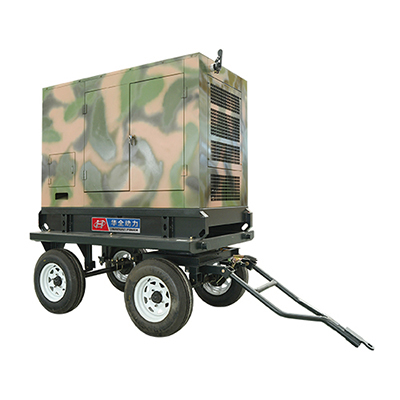
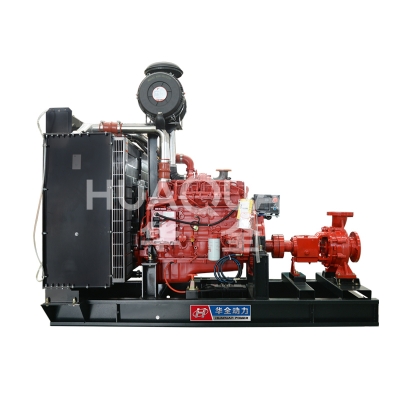
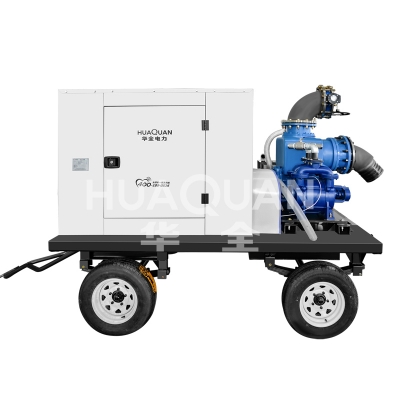
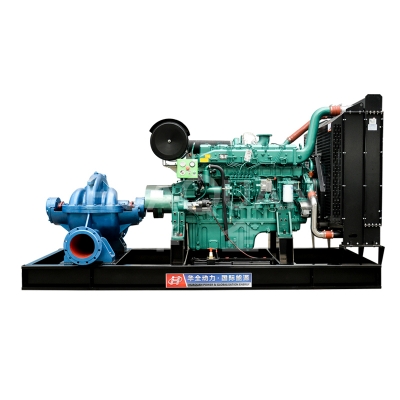
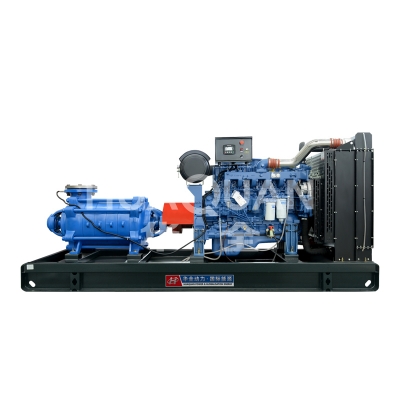
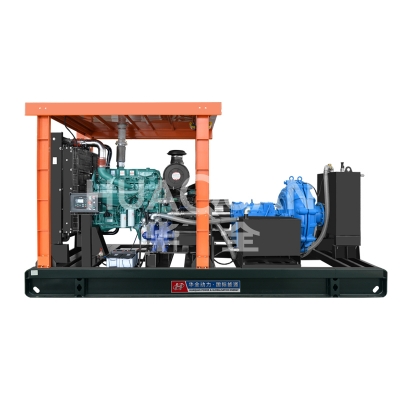


How to Select a High quality generator?
In today's world where energy serves as the core driving force of modern society, generators stand as critical equipment for electricity production and emergency backup. Their quality directly impacts the continuity of industrial production, the stability of public services, and even the safety of societal operations. High quality generators have long transcended the basic requirement of “power generation,” evolving into comprehensive energy solutions that combine high efficiency, low losses, extended lifespan, and strong adaptability. They have deeply penetrated numerous sectors including industrial manufacturing, data centers, healthcare, and modern agriculture, providing robust support for the stable operation of the global energy system.
I. High Quality Generators
High quality generators transcend the basic requirement of “power generation.” Through comprehensive technological control across the entire supply chain, they deliver precise and stable electrical performance, reliable and durable mechanical structures, low-loss and high-efficiency operation, strong environmental adaptability, and advanced intelligence. These generators optimize total lifecycle costs and reliably serve diverse scenarios such as industrial manufacturing, healthcare, and data centers as comprehensive energy equipment. At their core, these generators leverage premium materials, advanced manufacturing processes, and intelligent technologies to achieve extended service life, low failure rates, and minimal power degradation, delivering reliable energy assurance to users.
II. Huaquan: Manufacturer of High quality Generators
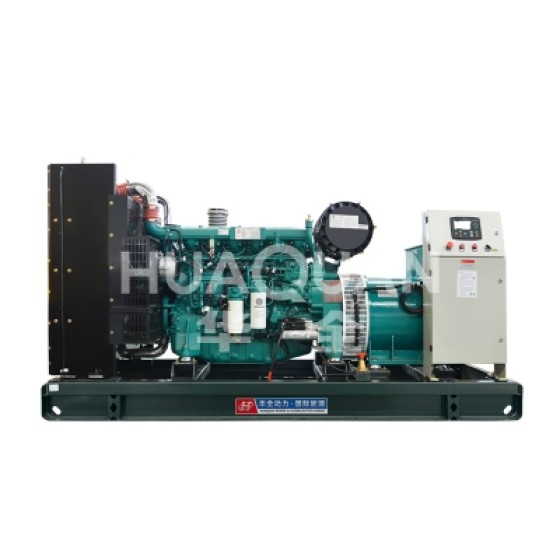
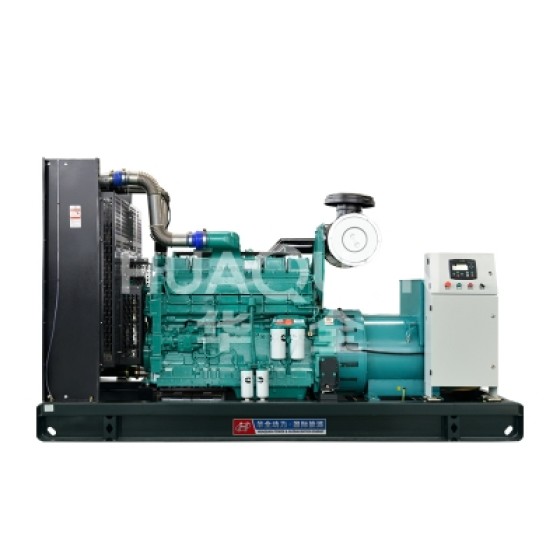
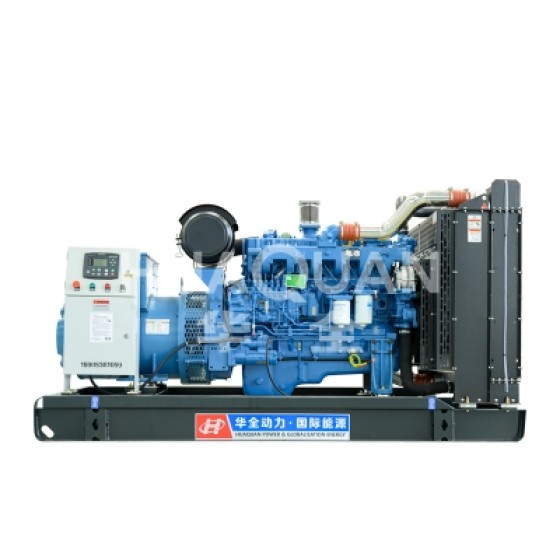
As a manufacturer dedicated to power solutions, Huaquan consistently regards “high quality” as the core DNA and unwavering pursuit of its generator products. Its product lineup integrates robust power technology, precision motor engineering, and intelligent control systems, committed to delivering continuous, stable, and clean power output in demanding environments. From rigorous component selection to whole-unit design and assembly adhering to international standards, followed by stringent load testing and quality verification before shipment, Huaquan has established a comprehensive reliability engineering system. This commitment manifests not only in outstanding performance metrics—such as lower fuel consumption rates, reduced voltage fluctuations, and faster transient response—but also in a holistic dedication to long-term durability, low maintenance costs, and environmental compliance. Huaquan generators are widely regarded as a trusted backup or continuous power source for data centers, medical facilities, communication base stations, and industrial projects. Its manufacturing philosophy transcends mere equipment production, focusing instead on providing users with assured power security and a full lifecycle value experience.
III. Core Characteristics of High quality Generators
1. Precise and Stable Electrical Performance: Leveraging an advanced Automatic Voltage Regulator (AVR) control system, it precisely regulates voltage during operational fluctuations. It achieves exceptional steady-state voltage regulation and boasts strong electromagnetic compatibility, meeting stringent international standards to prevent damage to precision equipment. Simultaneously, optimized winding design and advanced insulation techniques significantly extend winding lifespan, ensuring adaptability to complex power scenarios.
2. Reliable and Durable Mechanical Structure: Scientific rotor and stator designs, premium materials like high-grade steel and pure copper electromagnetic wire, combined with precision dynamic balancing technology, significantly reduce operational vibration and noise. This ensures long-term stable operation with electrical losses far below standard models.
3. Advanced intelligence integrates remote adjustment, AI-powered fault diagnosis, and cloud-based energy management, shifting from reactive maintenance to proactive alerts and substantially reducing operational costs.
4. Exceptional full-lifecycle advantages: Extremely low power decay rate, with a 10-year decay rate controllable within 2%. Designed for a service life of 15-20 years with minimal failure rates, effectively controlling total lifecycle costs.
5. Strong environmental adaptability: Specialized protective design enables stable operation in harsh conditions such as coastal salt fog, humid tropics, and dusty environments. Suitable for diverse applications including industrial, medical, and agricultural settings.
IV. How to Select a High quality Generator?
1. Define Core Requirements
This is the most critical first step, determining all subsequent choices. Be sure to distinguish between the equipment's rated power and peak starting power (especially for inductive loads like motors and compressors, where starting current can reach three times the rated value). Sum the power requirements (calculated at peak) of all devices that may operate simultaneously, then add a 20%-30% margin. Additionally, perform derating calculations based on the installation site's altitude and ambient temperature, as high-altitude or high-temperature environments significantly reduce actual output.
Different fuel types offer distinct characteristics: - Diesel generators are durable, fuel-efficient, and suitable for extended operation and medium-to-high power demands, making them the mainstream choice for industrial and commercial backup. - Gasoline generators are typically compact, quieter, and have lower initial costs, ideal for low-power, intermittent residential or outdoor use. - Natural gas generators feature lower operating costs and cleaner emissions but require a stable gas supply.
2. Evaluate Key Performance and Technical Specifications
High-quality generators clearly state power ratings compliant with international standards, such as Prime Power Rating (PRP) and Emergency Standby Power Rating (ESP). Never focus solely on maximum power output.
The engine is the generator's “heart,” while the alternator serves as its “brain.” Prioritize reputable brand combinations in their respective fields. For engines, consider Cummins, Perkins, or Caterpillar; for alternators, opt for Stamford or Leroy-Somer.
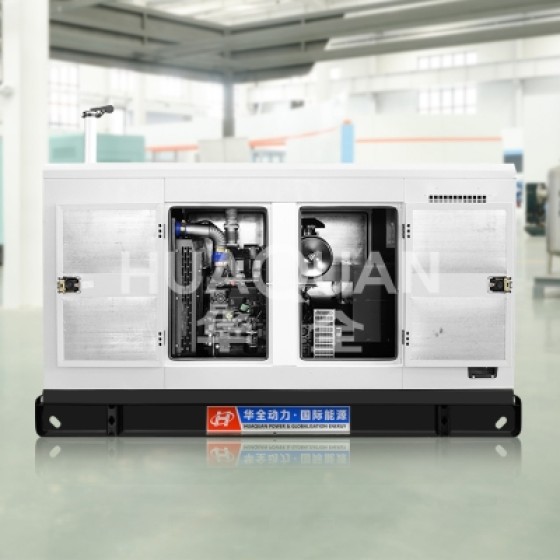
Prioritize Environmental Compliance and Noise Reduction: Adhere to local emission regulations. For noise-sensitive environments (e.g., hospitals, residential areas), select silent-type units.
High-quality units feature intelligent control systems with automatic start/stop, multi-unit parallel operation, remote monitoring, and fault protection capabilities. For backup power, an Automatic Transfer Switch (ATS) is essential.
3. Evaluate Manufacturers and After-Sales Service
Prioritize brands with strong market reputation, long-standing history, and significant R&D investment.
Verify that manufacturers possess complete certifications and that products comply with relevant international, national, and industry standards.
Confirm whether the manufacturer or distributor can provide prompt technical support, spare parts supply, and regular maintenance services in your region. Robust after-sales support ensures reliable operation throughout the generator's entire lifecycle.
4. Comprehensive Decision-Making and Procurement Considerations
Provide detailed requirements to reliable suppliers and request formal proposals including technical specifications, brand configurations, pricing, transportation/installation, and warranty terms.
For high-power or mission-critical units, conduct on-site visits to production or testing facilities whenever possible. Require factory testing to personally verify performance data.
V. FAQs on High quality Generators
1. Why are high quality generators so expensive? Where does their value lie?
Lower risk of failure: Avoids production downtime, data loss, or safety incidents caused by power outages—losses that far exceed the generator's cost.
Lower operating costs: Higher fuel efficiency delivers substantial long-term savings on fuel expenses.
Longer lifespan and reduced maintenance: Durable design minimizes maintenance frequency and replacement costs.
Protection for Precision Equipment: Clean, stable power prevents voltage fluctuations from damaging sensitive instruments like medical devices and servers.
2. How to maintain a high quality generator to ensure long-term reliability?
Regular test runs: Even when mains power is available, run the generator under load for 20-30 minutes monthly to lubricate the engine and remove carbon deposits.
Frequent oil, coolant, and air filter changes: Strictly follow the manufacturer's specified intervals for replacing engine oil, coolant, and air/fuel filters.
Maintain Battery Health: A common cause of backup generator failure is a discharged starter battery. Regularly inspect and charge it.
Professional Annual Maintenance: Schedule a thorough inspection and service by certified technicians annually or after a specified number of operating hours.
Use Premium Fuel: Employ clean, compliant fuel and periodically clean the fuel tank.
3. What are the key development trends for high quality generators?
Intelligence and IoT: Enable predictive maintenance through cloud-based remote monitoring, fault alerts, and data analytics.
Integration with Renewable Energy: Functioning as a “voltage stabilizer” and backup for unstable sources like solar and wind power, forming smart microgrids.
Fuel Diversification and Cleanliness: Wider adoption of biodiesel and natural gas, alongside exploration of zero-carbon technologies like hydrogen fuel.
Ultra-Low Emissions and Quiet Operation: Meeting increasingly stringent global environmental and noise regulations.
VI. Application Fields of High quality Generators
With their outstanding comprehensive performance, high quality generators demonstrate strong adaptability across diverse scenarios, becoming indispensable “energy guardians” for various industries.
1. In industrial manufacturing, continuous production demands extremely stable power supply. High-quality generators not only provide sustained, reliable electrical support for production lines but also adapt to non-linear loads while maintaining optimal performance during parallel operation. This effectively safeguards the normal operation of precision machining equipment and automated production lines, preventing product scrap and equipment damage caused by power outages or voltage fluctuations.
2. Data centers and the healthcare industry represent core application scenarios for high-quality generators. Data centers store and transmit massive amounts of information, where every second of power loss can cause significant data and economic damage. Hospitals' life support systems and critical care equipment require round-the-clock uninterrupted power, directly impacting patient safety. Therefore, high-quality generators used in these scenarios must feature millisecond-level startup, zero-voltage transfer, and long-term stable operation under low loads, serving as the “last line of defense” for core operations.
3. In modern agriculture, high-quality generators serve as the “electric nannies” for livestock farming. Their robust construction and powerful protective features ensure stable operation despite dust, corrosive gases in pig and chicken barns, and humid conditions in aquaculture facilities. Precise voltage regulation maintains the normal functioning of intelligent equipment like temperature control, ventilation, and feeding systems, creating optimal environments for livestock and supporting the efficient development of large-scale farming operations.
From ensuring the continuous operation of industrial production to safeguarding the stable and orderly delivery of public services, high quality generators have long become the “energy cornerstone” of modern society. The technical ingenuity, cost-efficiency wisdom, and scenario adaptability behind them not only define the quality standards for generators but also contribute crucially to building a more stable, efficient, and clean energy system amid the global energy transition. Choosing high quality generators means choosing more reliable energy assurance, longer-term cost optimization, and a more sustainable future for development.