XN(XN6E)-A-DTLS-300x300.jpg)
-300x300.jpg)
-300x300.jpg)
XN(XN4ES)-Z珊瑚红-300x300.png)
-300x300.jpg)
-300x300.jpg)
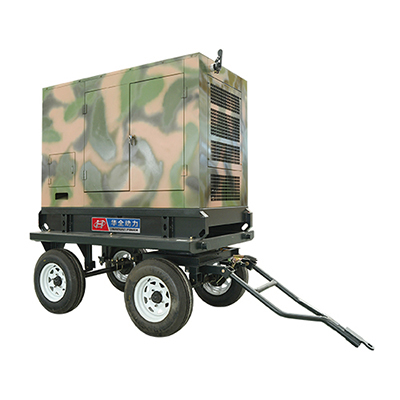
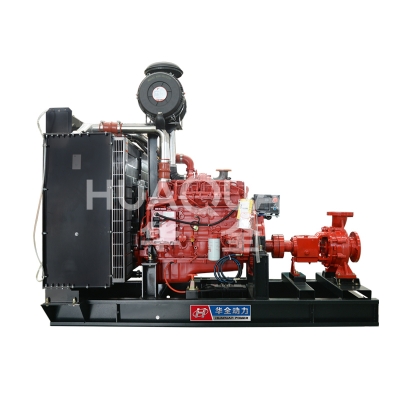
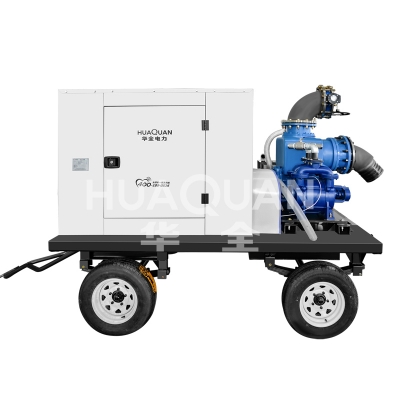
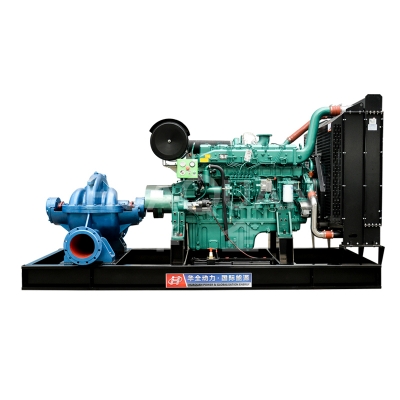
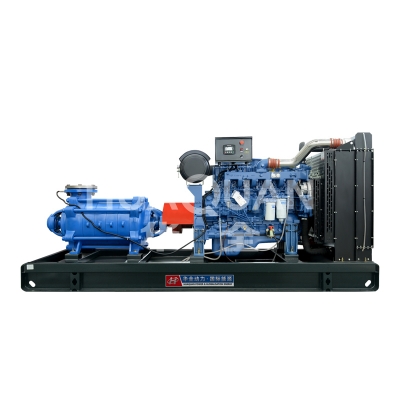
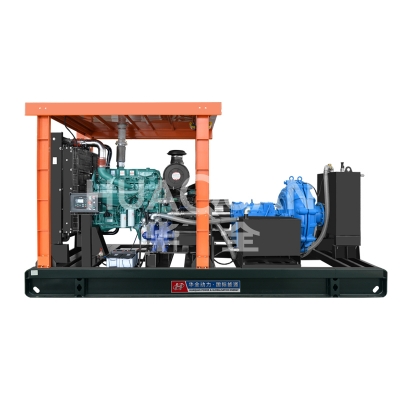


Industrial electric generator
In modern industrial systems, energy serves as the lifeblood driving production operations. Industrial electric generators, as critical equipment for energy conversion, function as the “power heart” of industrial civilization, providing stable and reliable electrical support for diverse industrial production, infrastructure development, and emergency response. From assembly line operations in large factories to mining activities in remote areas, from peak shaving and power supplementation in urban grids to emergency power supply for major events, Industrial electric generators have become indispensable core equipment in industrial production due to their powerful energy conversion capabilities and flexible application characteristics.
I. Industrial electric generators
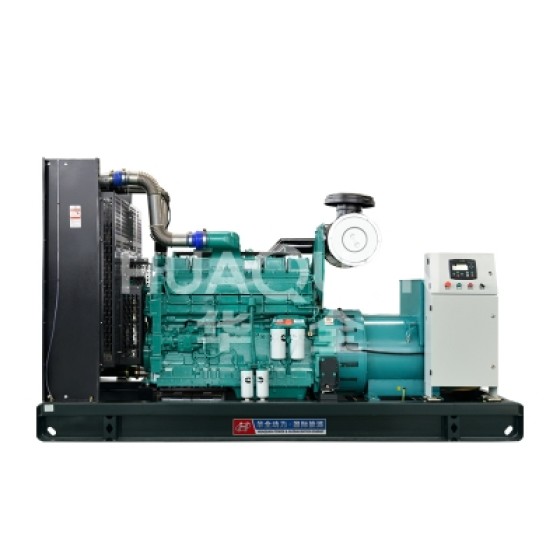
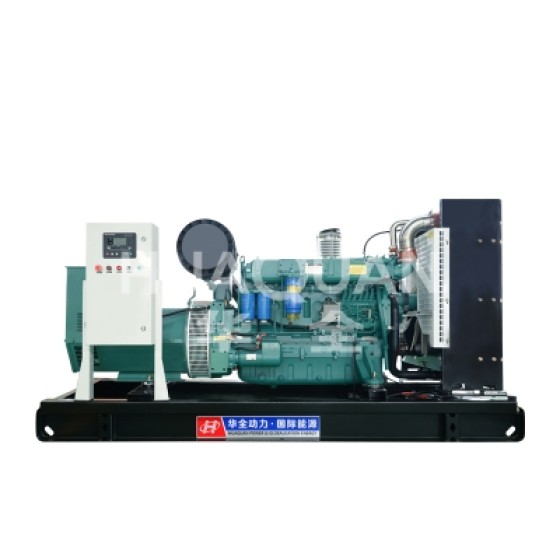
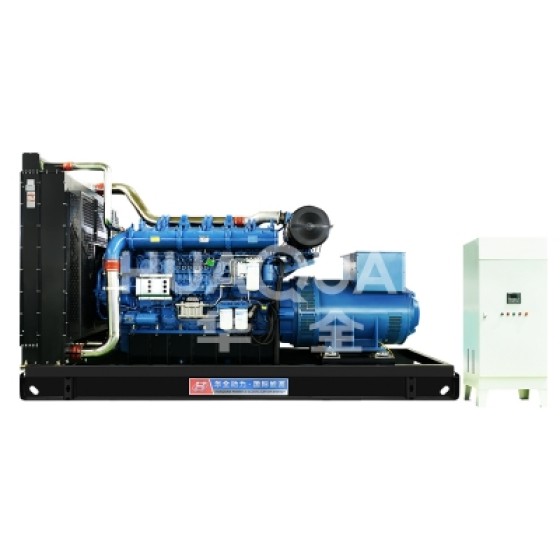
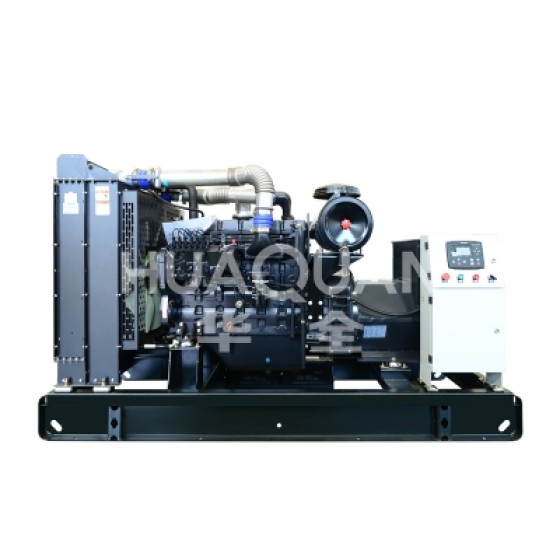
Industrial electric generators refer to high-power, highly reliable power generation equipment specifically designed for continuous or mission-critical operation. They convert mechanical energy into electrical energy, serving as primary, backup, or emergency power sources for industrial facilities, large commercial buildings, or critical infrastructure. Characterized by high power output, broad capacity range, exceptional stability, and resilience in harsh operating conditions, they meet the high-power electricity demands of diverse industrial applications.
II. Huaquan: Professional Industrial Electric Generator Manufacturer
As a professional Industrial electric generator manufacturer with years of industry expertise, Huaquan leverages its deep technical heritage and rigorous quality control to deliver a comprehensive range of Industrial electric generator products across all types and power ratings. Complemented by complete pre-sales consultation, in-sales installation and commissioning, and post-sales operation and maintenance services, Huaquan fully addresses diverse power requirements in manufacturing, energy extraction, infrastructure development, and other sectors. We provide stable and reliable power solutions for industrial clients worldwide.
III. Key Characteristics of Industrial Electric Generators
1. Power and Scale
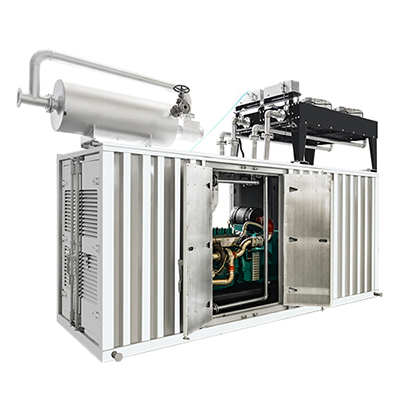
Power ranges typically span from tens of kilowatts to several megawatts or even tens of megawatts. These units are large in size, potentially weighing from several tons to hundreds of tons, requiring specialized foundations, dedicated rooms, or containerized enclosures.
2. Design and Durability
Constructed from heavy-duty materials, engineered for 24/7 continuous operation or frequent start-stop cycles. Features robust cooling systems, high-efficiency filtration, and rugged construction to withstand harsh industrial environments.
3. Control and Integration
Equipped with an advanced automatic control system, enabling:
Automatic Start/Stop: Automatically starts and loads within seconds after a grid power outage.
Automatic Synchronization and Grid Integration: Capable of precise synchronization with utility power or other generators, enabling seamless switching or parallel operation to increase capacity.
Remote Monitoring and Management: Supports SCADA system integration for remote monitoring of all critical parameters including voltage, frequency, power, oil pressure, and water temperature.
4. Fuel and Efficiency
Commonly utilizes diesel, natural gas, biogas, or heavy fuel oil. Emphasizes fuel economy under full-load operation and may incorporate waste heat recovery systems (e.g., cogeneration) to elevate overall efficiency beyond 80%.
5. Regulations and Standards
Industrial electric generators comply with stricter national and international standards covering performance, emissions, safety, and noise control.
IV. Development Trends of Industrial electric generators
With the advancement of global energy transition and industrial intelligence, Industrial electric generators are evolving toward greater efficiency, greener operations, smarter functionality, and integrated systems.
1. In terms of greening, generators powered by clean energy sources such as natural gas and biomass will gradually replace traditional fuel-powered generators, reducing carbon emissions and pollutant discharges.
2. Regarding intelligence, leveraging technologies like the Internet of Things (IoT), big data, and artificial intelligence (AI), Industrial electric generators will achieve more precise operational monitoring, smarter fault diagnosis, and predictive maintenance, further enhancing operational efficiency and reliability.
3. Integration: Generators will deeply integrate with energy storage devices and renewable power generation systems to form microgrid systems, enabling efficient energy utilization and flexible allocation. For instance, in renewable energy industrial parks, Industrial electric generators working in tandem with solar, wind power systems, and energy storage equipment can effectively address the intermittency and variability of renewable energy generation, ensuring stable power supply for the entire park.
V. FAQs on Industrial electric generators
1. What key factors should be considered when selecting an Industrial electric generator?
First, load characteristics: Clearly identify core loads (e.g., production lines, medical equipment) versus non-core loads. Distinguish between motor loads with high starting currents and steady-state loads to prevent voltage/frequency fluctuations caused by insufficient capacity.
Second, application scenarios. Manufacturing, data centers, remote mining sites, and other environments have varying demands for power stability, fuel availability, and protection ratings. For instance, high-temperature or high-altitude environments require consideration of generator derating.
Third, fuel type: Select power sources like diesel, natural gas, or biomass based on cost and environmental requirements.
Fourth, regulatory compliance: Ensure adherence to local emissions, noise, and electrical safety standards.
Fifth, future scalability: Reserve capacity for load growth through methods like parallel generator sets.
2. What are the key points for daily maintenance of Industrial electric generators?
First, inspect core components. Regularly check belts and hoses for cracks or aging to prevent sudden shutdowns caused by part failure. Second, ensure power supply reliability. Batteries are critical for starting, so regularly test their capacity. In extreme temperatures, install preheating devices to prevent startup failure due to battery malfunction.
Third, fluid management: Regularly inspect and replace engine oil and coolant, ensuring no leaks. Low fluid levels trigger automatic shutdown and may cause permanent damage.
Fourth, fuel maintenance: Regularly test diesel quality to prevent impurities or degraded fuel from affecting operation. Implement fuel purification for long-term storage.
Fifth, periodic testing: Even infrequently used units require scheduled startups to identify potential issues through intelligent monitoring systems.
3. What are the common faults in Industrial electric generators?
First, failure to generate power or excessively low voltage may result from loss of residual magnetism, excitation system malfunction, or stator winding issues. Begin by inspecting the excitation device and perform magnetization if necessary.
Second, abnormal vibration during operation may stem from rotor imbalance, bearing wear, or loose installation. Shut down the unit and check the tightness of mechanical components.
Third, excessive temperature rise is often related to cooling system failure, insufficient oil, or overload. Prioritize checking coolant levels and heat dissipation devices.
Fourth, voltage fluctuations may result from excessive load surges or voltage regulation device malfunctions. Investigate load types and test regulation system parameters.
VI. Application Scenarios of Industrial electric generators
Industrial electric generators find applications across nearly all industrial sectors, serving as critical equipment for ensuring continuous and stable production.
1. Manufacturing Sector
Production lines, CNC machine tools, and automated equipment in large factories demand exceptionally stable power supply. Industrial electric generators not only function as emergency backup power sources to maintain production during grid failures, but some high-energy-consuming enterprises also deploy self-owned generators to mitigate peak grid electricity costs and alleviate grid supply pressure.
2. Energy Extraction Sector
Oil and gas extraction sites are often located in remote areas with limited grid coverage. Industrial electric generators serve as the primary power source, providing stable electricity for drilling equipment, oil pumps, lighting systems, and other critical operations.
3. Infrastructure Construction Sector
At construction sites for roads, bridges, tunnels, and similar projects, Industrial electric generators power construction machinery, temporary lighting, and office equipment, ensuring construction progress remains unaffected by power supply constraints.
4. Critical Sectors Including Healthcare, Telecommunications, and Finance
Industrial electric generators serve as core emergency power equipment, ensuring the continuous operation of vital systems during unexpected power outages. This includes life support systems in hospitals, signal transmission at communication base stations, and financial transaction systems in banks, thereby safeguarding the continuity of public services.
As the driving force behind industrial production, Industrial electric generators have not only witnessed the evolution of industrial civilization but also play an irreplaceable role in modern industrial systems. Looking ahead, with continuous technological innovation and evolving industrial demands, Industrial electric generators will undergo ongoing iteration and upgrades. They will provide stronger support for advancing green industrial transformation, enhancing production efficiency, and ensuring energy security, propelling industrial civilization toward a new era characterized by greater efficiency, sustainability, and intelligence.