XN(XN6E)-A-DTLS-300x300.jpg)
-300x300.jpg)
-300x300.jpg)
XN(XN4ES)-Z珊瑚红-300x300.png)
-300x300.jpg)
-300x300.jpg)
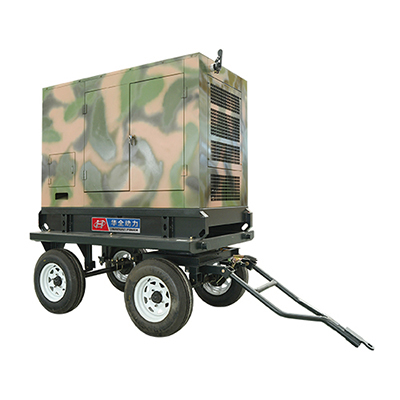
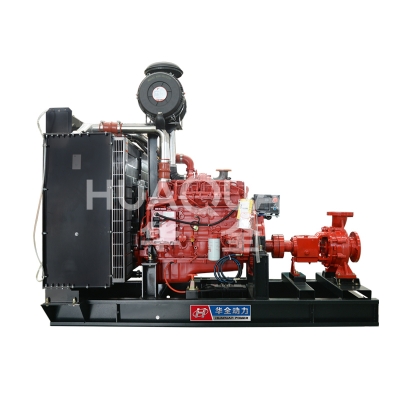
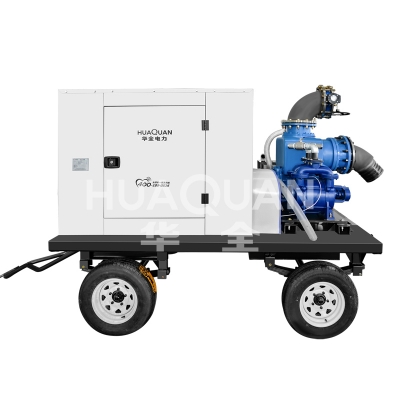
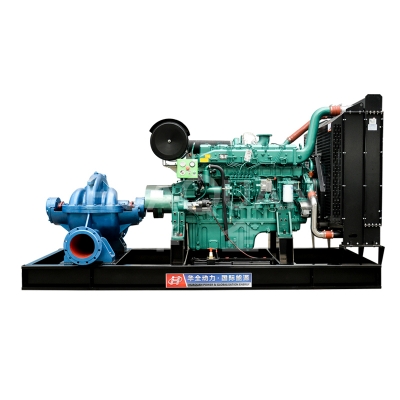
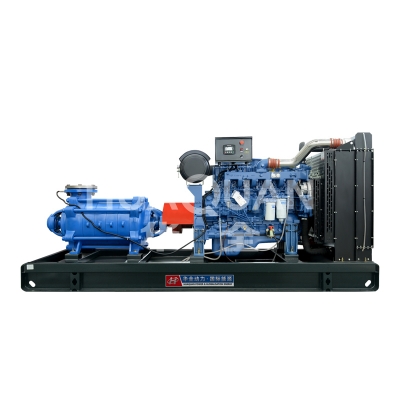
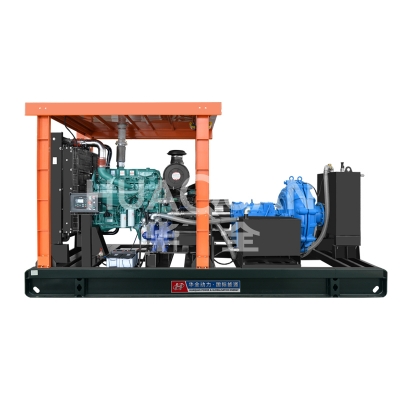


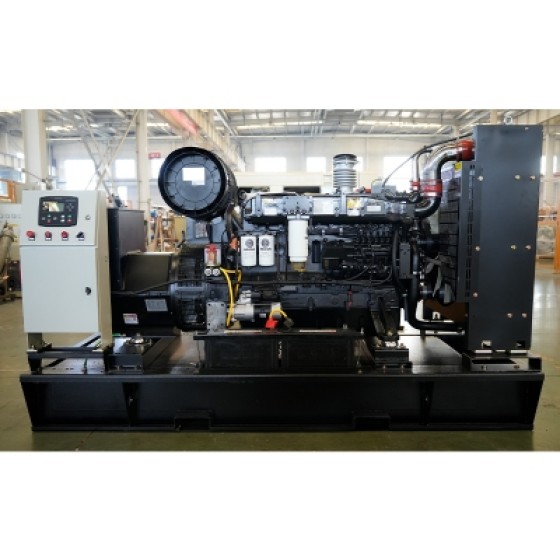
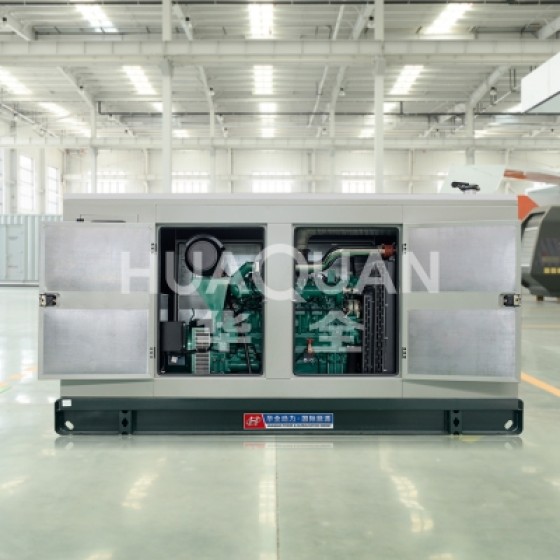
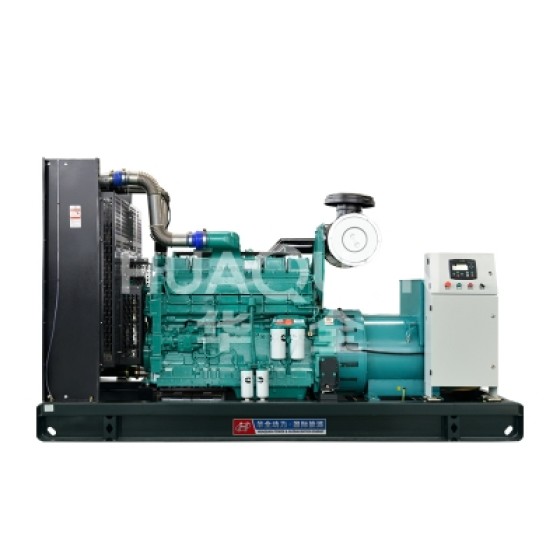
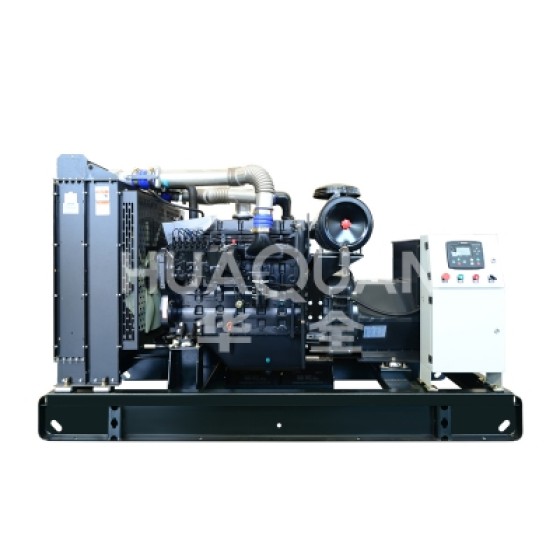
Marine generator
Across the boundless oceans, ships serve as the core vessels connecting global trade and carrying out maritime transportation and operations. Their stable operation relies on continuous, reliable energy supply. Marine generators act as the “power heart” ensuring electrical security for ships, supporting every critical function—from navigation and communication to propulsion systems and crew living quarters. As the global shipping industry transitions toward greener and smarter operations, marine generators continue to evolve through technological innovation, emerging as vital equipment driving the high-quality development of the maritime economy.
I. Marine Generators
Marine generators serve as the core component of a vessel's electrical system. Their primary function is to convert mechanical energy into electrical power, providing stable electrical output to all onboard electrical equipment. These generators must withstand the harsh marine environment characterized by high humidity, high salt fog, high corrosion, and rough seas, ensuring high reliability, impact resistance, and corrosion resistance.
II. Huaquan is a Professional Marine Generator Manufacturer
With years of deep expertise in marine propulsion systems, Huaquan remains dedicated to the R&D, production, and system integration of marine generators. Leveraging extensive technical expertise, a comprehensive product portfolio, and stringent quality control, its product line spans from small-to-medium auxiliary generator sets to large main power systems. This enables Huaquan to deliver stable and reliable power solutions for diverse vessel types, including bulk carriers, container ships, offshore platforms, and large cruise liners. Through continuous technological innovation and rigorous quality control, Huaquan is committed to delivering energy-efficient, intelligently monitored marine power products with comprehensive lifecycle services to global customers, ensuring the safe, stable, and efficient operation of shipboard electrical systems.
III. Key Technical Requirements for Marine Generators
The unique characteristics of the marine environment impose stringent demands on the technical design of marine generators. Beyond conventional parameters such as power output and efficiency, the following core technical specifications must be met:
1. Impact and Tilt Resistance: During navigation in wind and waves, vessels experience longitudinal and lateral tilting and pitching, and may encounter impact conditions such as collisions or groundings. Marine generators must therefore possess sufficient structural strength to operate stably under tilt angles and impact loads, ensuring core components remain undistorted and undamaged.
2. Corrosion Resistance and Sealing: The marine atmosphere contains high levels of salt spray, moisture, and corrosive gases that readily corrode generator metal components. Additionally, ship decks may experience seawater spray or immersion. Consequently, the generator's housing, junction boxes, bearings, and other components must utilize corrosion-resistant materials and possess excellent sealing performance to prevent seawater or moisture ingress that could cause short circuits or component damage.
3. Stability and Interference Resistance: Marine electrical systems incorporate various power-consuming equipment, some of which generate harmonic interference that degrades generator power quality. Consequently, marine generators must be equipped with high-precision voltage regulation devices and filtering systems to ensure output voltage frequency and amplitude remain stable within specified ranges. They must also possess robust harmonic interference resistance to prevent disruption to sensitive equipment such as navigation and communication systems.
4. Compactness and Lightweight Design: Shipboard space is limited, particularly in engine rooms that must accommodate propulsion systems, fuel systems, cooling systems, and other equipment. Consequently, marine generator design must prioritize compactness and lightweight construction. While maintaining power output and reliability, these generators should minimize volume and reduce weight to facilitate installation and layout.
IV. Technical Characteristics and Classification of Marine Generators
Based on different vessel types (such as cargo ships, cruise ships, fishing vessels, warships, offshore platforms, etc.) and operational requirements, marine generators exhibit diverse characteristics in technical parameters, power sources, and structural designs, forming distinct classification systems.
1. By Power Source: Diesel Generators Dominate, with Diverse Power Sources Developing in Parallel
Currently, diesel marine generators are the most widely used type in the shipping industry. Their core advantages lie in diesel fuel's high energy density and readily available supply, coupled with the mature technology and high reliability of diesel engines, which can withstand the complex operating conditions of the marine environment.
With the advancement of global “dual carbon” goals, green and low-carbon marine generators are emerging as the development trend. These primarily include LNG marine generators, hybrid generators, and new energy generators. Among them, LNG marine generators utilize clean and environmentally friendly LNG as fuel, emitting significantly lower levels of carbon dioxide, nitrogen oxides, and particulate matter compared to diesel generators after combustion. They have become a key choice for emissions reduction in the international shipping industry. Hybrid generators optimize energy efficiency through the coordinated operation of multiple power sources, reducing fuel consumption and emissions. They are suitable for vessels with high demands for endurance and environmental performance, such as luxury cruise ships and short-haul passenger vessels.
2. Classification by Power Rating: Tailored to the Electrical Requirements of Vessels of Different Tonnage
The power rating of marine generators must be precisely matched to the vessel's tonnage, type, and electrical load. Small vessels (e.g., fishing boats, speedboats, small cargo ships) have relatively low electrical loads and are typically equipped with marine generators ranging from tens to hundreds of kilowatts. Medium-sized vessels (e.g., thousand-ton cargo ships, coastal passenger ships) have moderate electrical loads, requiring generators generally ranging from hundreds to thousands of kilowatts. Large vessels (such as 10,000-ton ocean-going cargo ships, luxury cruise liners, offshore drilling platforms) have extremely high electrical demands. They require not only multiple megawatt-class (1 megawatt = 1,000 kilowatts) main generators but also sufficiently powerful emergency generators to ensure critical power supply during main generator failures.
3. Classification by Excitation Method: Ensuring Stable Power Output
The excitation system is a critical component of marine generators, functioning to supply excitation current to the generator's rotor to generate a magnetic field. This ensures the generator can deliver stable electrical power output. Based on excitation methods, marine generators can be categorized into DC-excited generators and AC-excited generators (such as brushless excitation generators). Among these, brushless excitation generators have gained widespread adoption in modern vessels due to their elimination of traditional brushes and slip rings, resulting in reduced wear and maintenance costs, along with enhanced reliability and interference resistance.
V. FAQs on Marine Generators
1. What are the core points for daily maintenance of marine generators?
First, ensure no oil or water accumulation around the generator and no corrosive gases. Clean dust from ventilation ducts to maintain heat dissipation, while avoiding excessive ventilation that causes condensation on windings.
Second, regularly measure insulation resistance using a 500V megohmmeter on stator and rotor windings. A value no less than 0.5MΩ is acceptable.
Third, inspect the coaxial alignment with the prime mover, rotor flexibility, and lubrication system condition. Regarding maintenance intervals: lubricating grease should be replaced after approximately 2000 operating hours for generators with rolling bearings. Generators exposed to moisture or idle beyond specified periods require re-drying. Daily inspections involve checking operational parameters, while comprehensive cleaning and insulation testing should be conducted monthly.
2. What special precautions should be taken for generator maintenance in marine environments with high salt fog and humidity?
First, component protection: Use stainless steel or anti-corrosion coatings for housings, junction boxes, etc. Regularly inspect sealing integrity to prevent seawater or moisture intrusion causing short circuits.
Second, cleaning and maintenance: Periodically blow out internal dust with dry compressed air to avoid salt fog deposition corroding metal parts. Promptly remove rust and apply paint when machined surfaces show corrosion.
Third, moisture treatment: For surface dampness, employ load-drying methods. For severe moisture, first use electric hot air drying followed by load operation. During drying, control the winding surface temperature below 85°C.
Fourth, shutdown protection: For short-term decommissioning, insert insulating cardboard between brushes and slip rings to prevent brush spotting.
3. What are the special maintenance requirements for emergency marine generators?
First, conduct regular test runs, starting the generator at least once per month to verify the normal operation of the starting system and power supply switching function. Ensure that voltage recovery time does not exceed 1.5 seconds when suddenly adding or removing 60% of the rated load.
Second, manage fuel and lubrication. Store qualified fuel separately and regularly inspect the fuel system's sealing integrity and lubrication status to prevent starting failures caused by fuel degradation or lubrication failure.
Third, environmental protection: Keep the emergency generator compartment dry and clean with a minimum IP23 protection rating. Ensure normal operation under conditions of 22.5° list and 15° roll.
Fourth, specialized certification: Maintain strict adherence to classification society standards, retain maintenance records, and ensure passing periodic endurance tests.
VI. Application Scenarios for Marine Generators
Marine generators are deployed across the entire shipping sector and various marine operations, with core applications falling into two distinct categories, each with specific adaptation requirements:
1. Commercial Shipping Sector: Suitable for conventional commercial vessels such as ocean-going cargo ships, container ships, tankers, luxury cruise liners, and coastal passenger vessels. Large vessels (ocean-going cargo ships, container ships, tankers) typically install 3-4 main generators and 1-2 emergency generators to ensure continuous power supply for propulsion systems, cargo refrigeration systems, and crew living systems. Luxury cruise ships, featuring extensive entertainment facilities (swimming pools, theaters, gyms) and air conditioning systems, demand extremely high electrical loads. They require multiple megawatt-class generators and often employ hybrid propulsion systems to reduce energy consumption and emissions. Medium-sized coastal passenger vessels and thousand-ton cargo ships are fitted with generators ranging from several hundred to several thousand kilowatts, depending on their specific power requirements.
2. Specialized Marine Operations: Suitable for operational platforms demanding higher reliability and stability, such as offshore drilling rigs, wind turbine installation vessels, and oceanographic survey ships. Offshore drilling rigs require 24/7 uninterrupted power supply, equipped with multiple redundant generators and rapid switching capabilities to ensure core equipment like drilling machinery and blowout prevention systems remain operational even during single-unit failures. Marine survey vessels must deliver stable, clean power to scientific equipment like sonar systems, water samplers, and satellite communication devices, preventing voltage fluctuations from compromising research data accuracy. Wind turbine installation vessels and similar workboats require power systems adapted to dynamic marine operating conditions, ensuring stable electricity for both operational equipment and crew living quarters.
As the “heart” of a vessel's electrical system, the reliability, efficiency, and environmental performance of marine generators directly impact navigation safety, operational efficiency, and environmental impact. From traditional diesel generators to modern clean-fuel and intelligent generators, technological innovations in marine generators have consistently aligned with the evolving demands of the shipping industry. Against the backdrop of global green and low-carbon development, marine generators will continue to leverage technological innovation as their core driver, pushing boundaries in key areas like green energy applications and intelligent control systems. This will provide robust energy assurance for advancing the transformation and upgrading of the shipping industry while supporting the high-quality development of the marine economy. Looking ahead, as new energy technologies and intelligent systems further converge, marine generators will evolve beyond mere power suppliers to become integral components of intelligent ship ecosystems. They will deliver more reliable and environmentally friendly propulsion support for humanity's exploration and utilization of the oceans.