
XN(XN6E)-A-DTLS-300x300.jpg)
-300x300.jpg)
-300x300.jpg)
XN(XN4ES)-Z珊瑚红-300x300.png)
-300x300.jpg)
-300x300.jpg)
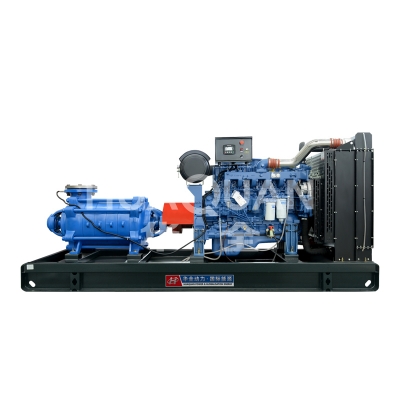
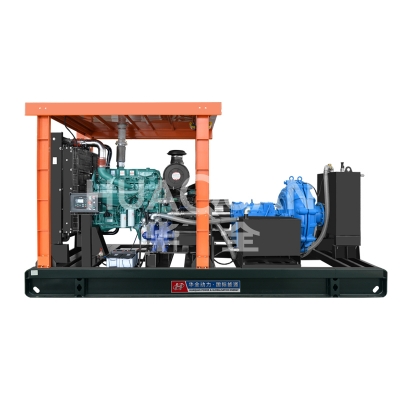


Diesel Backup Generator: The Backbone of the Power Assurance System
In modern society's high dependence on electricity, sudden power outages not only disrupt daily life but also risk causing immeasurable losses in critical sectors such as industrial production, commercial operations, and medical rescue. As a mature and reliable emergency power solution, diesel backup generators serve as the backbone for maintaining power continuity across diverse scenarios. With their stable performance, rapid start-up response, and robust load capacity, they fortify society's operational resilience by establishing a secure power defense line.
I. Diesel Backup Generator
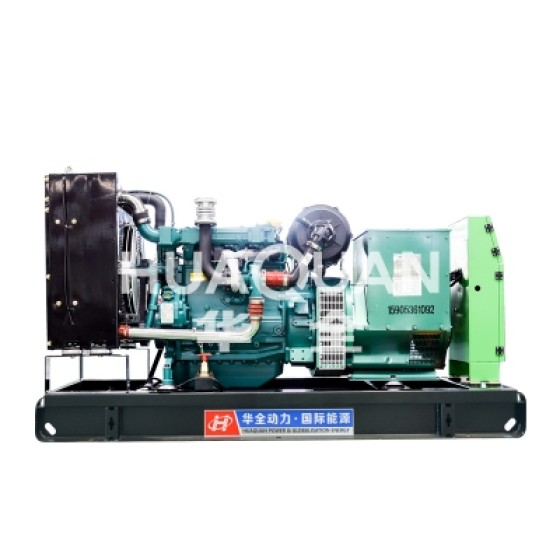
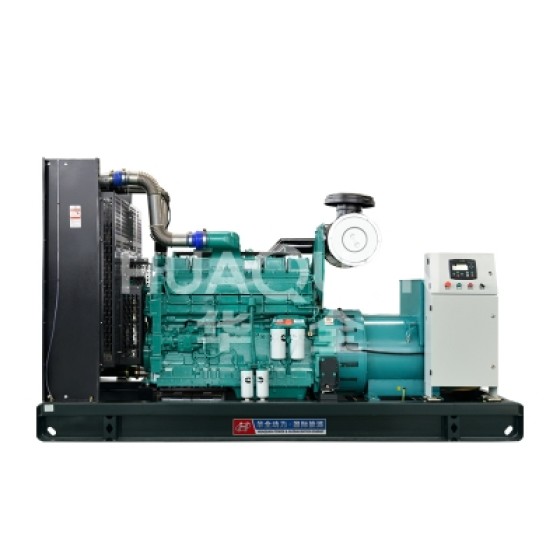
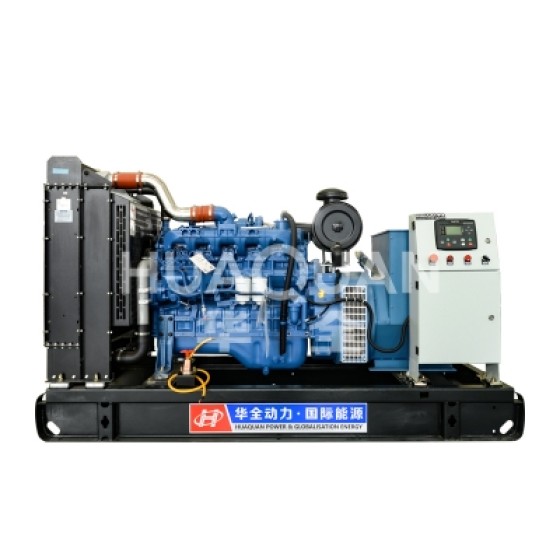
The diesel backup generator is a mature and reliable emergency power supply solution. Powered by a diesel engine at its core, it can rapidly start (typically within 10-30 seconds) and deliver stable power during sudden grid outages. With its robust power output, stable performance, and strong environmental adaptability, it bridges power gaps across various scenarios, ensuring uninterrupted electricity supply.
II. Huaquan is a professional manufacturer specializing in diesel backup generators.
With years of expertise in the power equipment sector, Huaquan leverages its deep technical heritage, rigorous quality control systems, and extensive production experience to deliver high-performance, highly reliable diesel backup generator solutions for diverse applications. The company is committed to delivering dependable emergency power solutions for global clients. Its products are widely deployed in critical facilities such as data centers, medical institutions, communication base stations, commercial buildings, industrial production sites, and municipal infrastructure to address challenges posed by main grid outages or power instability. Huaquan offers comprehensive services ranging from standard power solutions to customized designs, emphasizing fuel efficiency, environmentally compliant emissions, and intelligent monitoring capabilities. This approach aims to meet diverse backup power requirements across industries, ensuring the continuous operation of social infrastructure and vital business operations.
III. Core Advantages of Diesel Backup Generators
The prominence of diesel backup generators among emergency power supply equipment stems from their unique technical advantages, enabling them to adapt to complex and dynamic emergency scenarios.
1. Rapid Start-Up Response.
During sudden grid outages, diesel backup generators can initiate operation and stabilize power supply within 10-30 seconds via automatic control systems. Compared to other backup power sources (such as gas generators or battery banks), this significantly minimizes power interruption gaps, preventing equipment shutdowns and data loss caused by prolonged blackouts. This rapid response capability is critical for environments demanding uninterrupted power continuity, such as hospital operating rooms, data centers, and financial trading centers.
2. Powerful and Highly Stable Performance
Diesel engines operate on the compression ignition principle, delivering high torque and stable power output. They effortlessly drive high-power loads such as air conditioning systems, elevators, and production equipment. During continuous operation, voltage and frequency fluctuations remain minimal, ensuring the reliable functioning of precision equipment. Additionally, diesel fuel boasts high energy density, enabling greater electricity generation per unit volume. This ensures generators can sustain prolonged operation at full load, meeting large-scale, extended emergency power demands.
3. Exceptional Environmental Adaptability
Whether facing scorching heat, bitter cold, humid conditions, heavy rainfall, or dusty environments, diesel backup generators with proper protective design maintain stable operation. Unlike gas generators reliant on fuel supply, diesel backup generators achieve autonomous power generation through stored diesel fuel. This eliminates vulnerability to external energy supply disruptions, significantly enhancing emergency power reliability.
IV. Operation and Maintenance of Diesel Backup Generators
Proper operation and maintenance of diesel backup generators require adherence to the following core principles:
1. Daily Inspection and Maintenance: Regularly verify fuel reserves (adequate and compliant), engine oil and coolant levels and quality, replenishing or replacing as needed; check battery charge and wiring integrity; clean surface dust and debris, inspecting exhaust pipes, mufflers, and other components for integrity.
2. Regular Test Runs: Conduct at least one test run per month, each lasting no less than 30 minutes. Verify starting performance, operational status, and voltage/frequency stability. Simultaneously validate the reliability of the automatic transfer switch to ensure seamless power supply switching during outages.
3. Professional Maintenance and Servicing: Upon reaching the specified operating mileage/hours, replace consumable components such as engine oil, oil filter, and air filter; inspect critical components including valve clearance and fuel injectors; conduct comprehensive testing and calibration of the control and electrical systems; in case of malfunction, seek professional repair services and avoid disassembly by unqualified personnel.
V. FAQs on Diesel Backup Generators
1. How to select the appropriate power rating for a diesel backup generator?
First, accurately calculate the total actual load power. List the maximum starting power of all equipment requiring power supply (especially motor-driven equipment, whose starting power is typically 2-3 times the rated power). It is recommended to choose a model with a rated power 20% higher than the total load power, ensuring sufficient reserve capacity to prevent overload operation.
2. What should I do if the diesel backup generator is difficult to start or fails to start?
First, fuel system issues: low fuel tank level, clogged fuel filter, air in fuel lines, or water in fuel. Address by refilling fuel, replacing clogged filters, manually bleeding air from lines, or using clean fuel with a fuel/water separator.
Second, starting power issues: low battery charge or loose connections. Resolve by charging/replacing batteries and tightening connections.
Third, environmental and preheating issues: Insufficient preheating during low temperatures requires inspection of preheating components. Below -15°C (-9°F), using a unit heater is recommended. At high altitudes with thin air, allow the engine to idle for a period before accelerating to full speed.
Fourth, intake system blockages or fuel injection pump failures may also cause starting problems. Regularly replace the air filter. For severe malfunctions, professional maintenance is required.
3. What special precautions should be taken when using diesel backup generators in harsh environments such as the outdoors, high temperatures, or extreme cold?
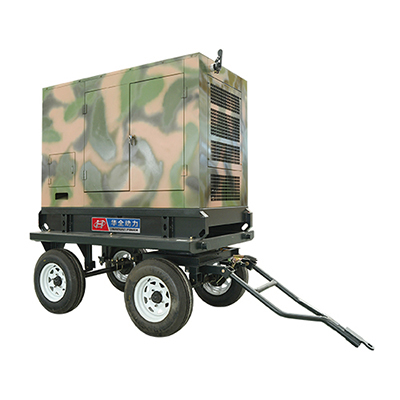
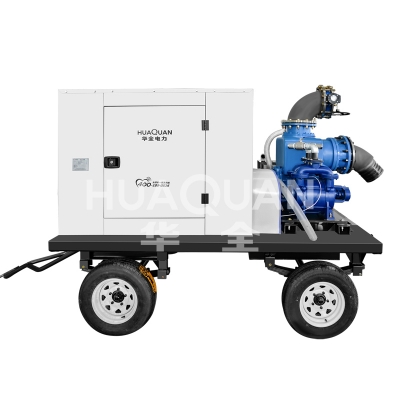
For outdoor settings, select models with IP54 or higher protection ratings to resist rain and dust. Equip with a trailer chassis or wheels for easy transport. Set up temporary rain shelters to prevent water ingress into control panels. Store fuel in sealed containers away from ignition sources. Install grounding rods for electrical safety during field use. Add soundproofing panels for nighttime operations to minimize noise impact.
In high-temperature environments, prioritize heat dissipation by verifying the functionality of large-capacity radiators and forced-air fans to prevent overheating shutdowns.
For extreme cold conditions, prepare for low-temperature starts by installing glow plugs or cold-start devices. Use fuel and engine oil suitable for sub-zero temperatures. After prolonged storage, inspect oil and coolant levels before startup.
VI. Application Scenarios of Diesel Backup Generators
Diesel backup generators are deployed across nearly every critical sector of societal operations. Wherever power assurance is required, they serve as indispensable emergency backup equipment.
1. In industrial production, diesel backup generators serve as the “lifeline” ensuring continuous operations. For sectors like chemical processing, metallurgy, and manufacturing, production interruptions not only result in significant material waste and economic losses but can also lead to equipment damage and production accidents. Consequently, such enterprises typically deploy high-power diesel backup generators to enable rapid power switching during grid outages, maintaining production line operations and minimizing downtime losses.
2. In public services, diesel backup generators shoulder vital responsibilities for safeguarding public welfare and safety. Hospitals, as critical facilities for patient care, rely on continuous power for operating rooms, intensive care units, medical equipment, and refrigerated pharmaceuticals. The stable operation of diesel backup generators directly impacts patient safety. Data centers store vast amounts of critical data; power outages can cause transmission interruptions, data loss, or even system-wide failures. Diesel backup generators provide uninterrupted power support, ensuring the stable operation of the digital economy. Additionally, transportation hubs (airports, train stations, subway stations), municipal water and power facilities, and emergency command centers all rely on diesel backup generators to respond to unexpected power outages, ensuring the normal operation of public services.
3. In commercial operations, diesel backup generators serve as a critical safeguard for maintaining business continuity. At large shopping malls, supermarkets, hotels, and similar venues, a power outage not only compromises customer experience but also leads to issues such as spoiled refrigerated goods, elevator shutdowns, and security system failures. Equipping these facilities with diesel backup generators enables rapid restoration of lighting, air conditioning, elevators, and other critical systems during outages, ensuring customer safety and business continuity. For specialized commercial sites like gas stations and communication towers, uninterrupted power supply is fundamental to basic operations, making diesel backup generators indispensable.
4. Diesel backup generators also play a vital role during extreme weather events or in remote areas. When typhoons, torrential rains, or blizzards cause widespread grid damage, diesel backup generators serve as temporary power sources, providing essential electricity for residents in affected areas and facilitating rescue operations. In remote mountainous regions or field sites beyond grid coverage—such as mining operations or road construction—these generators become primary power supplies, supporting all production and daily activities.
As the core equipment of emergency power supply systems, diesel backup generators play an irreplaceable role in ensuring power security and maintaining stable societal operations. From industrial production to public services, from commercial operations to extreme environment rescue missions, their stable and reliable performance fortifies the power defense line across diverse scenarios. Looking ahead, with the continuous adoption of green and intelligent technologies, diesel backup generators will become more environmentally friendly and efficient while maintaining power supply reliability. They will contribute significantly to building a safer, more stable, and sustainable power security system.
-XN(XN4F)-WT1A-DTLQ/正视中国制造网-560x560.jpg)