XN(XN6E)-A-DTLS-300x300.jpg)
-300x300.jpg)
-300x300.jpg)
XN(XN4ES)-Z珊瑚红-300x300.png)
-300x300.jpg)
-300x300.jpg)
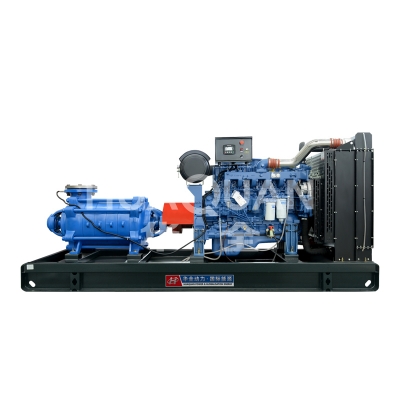
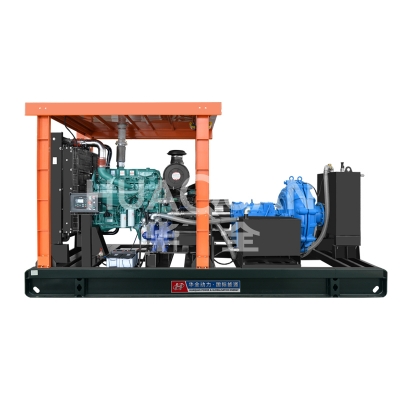


The Mobile Energy Heart: How Portable Generators Are Reshaping Modern Life and Work
In an era where urban power grids are within easy reach, we've almost forgotten that electricity was once a resource requiring fixed infrastructure to supply. Yet when hurricanes sever cables, field research faces power outages, outdoor performances need lighting, or remote construction sites require tools to run, a portable yet powerful solution emerges—the portable generator. It has evolved beyond emergency backup to become a vital tool for expanding the boundaries of life and work, quietly reshaping how we access energy.
I. Portable Generators
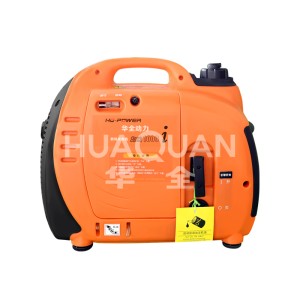
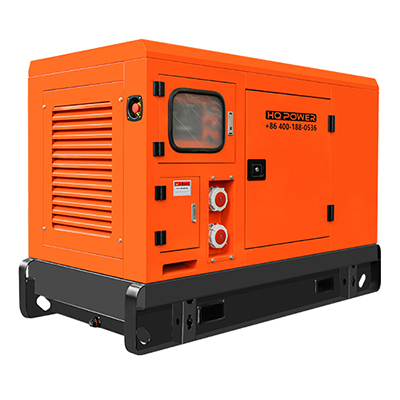
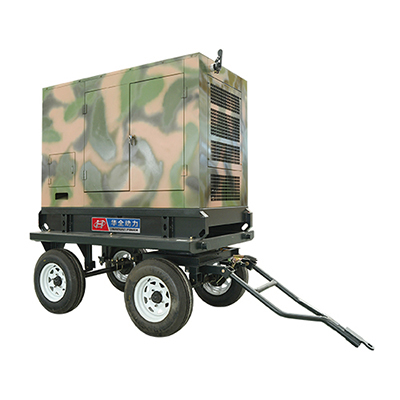
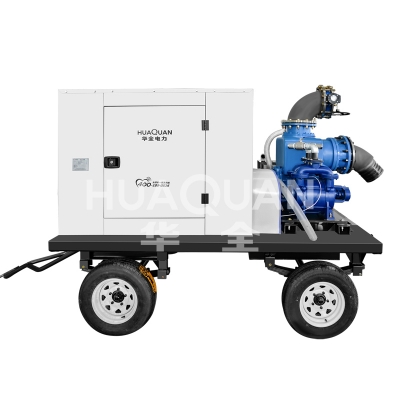
Portable generators are compact, lightweight, and mobile power supply devices. Powered by fuel, gas, or new energy sources, they rapidly deliver stable electricity to bridge energy gaps beyond fixed grid coverage. Compared to industrial-grade generators, they are compact, easy to operate, and require no professional installation—simply plug in appliances to use. They are truly a “mobile power treasure trove.” From powering outdoor camping lighting to providing temporary electricity during emergency relief operations, from driving construction tools on job sites to offering backup support during household power outages, portable generators are flexibly integrating into multiple dimensions of daily life and industrial operations.
II. Huaquan: Professional Portable Generator Manufacturer
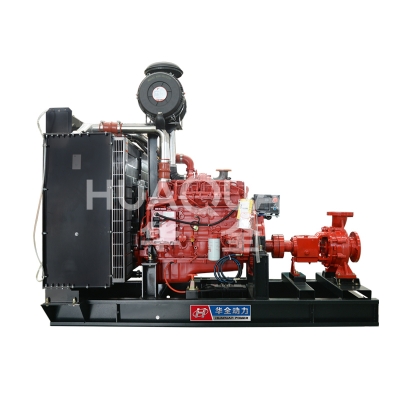
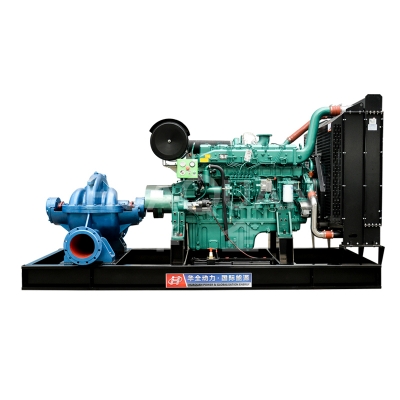
As a professional portable generator manufacturer, Huaquan remains committed to providing reliable and efficient mobile power solutions for users worldwide. We understand the critical importance of power during pivotal moments, which is why we focus on developing and manufacturing portable power generation equipment that excels in performance and quality. From compact, efficient home emergency models to durable outdoor engineering units, every Huaquan generator integrates advanced technological innovation, meticulous craftsmanship, and rigorous quality testing. We go beyond simply providing products—we offer comprehensive support, including professional selection consultation, safety usage guidance, and full-spectrum after-sales service.
III. Core Advantages of Portable Generators
1. Ultimate Portability, Ready When Needed: Mainstream models feature handheld or wheeled designs, enabling effortless transport or towing by a single person. They fit seamlessly into car trunks, camping backpacks, and other carrying scenarios.
2. Rapid Start-Up, Emergency-Ready: Equipped with pull-start, electric start, or remote start functionality. Premium models support one-touch start-up, delivering power within 3 seconds. During emergencies like sudden blackouts or natural disasters, they swiftly power critical appliances such as refrigerators, air conditioners, and medical equipment, preventing property damage and safeguarding lives.
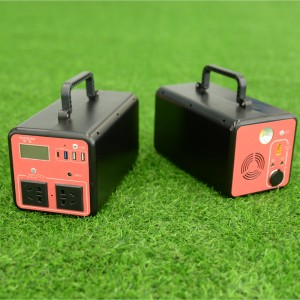
3. Multi-functional adaptability for comprehensive coverage: Output voltages include standard household 110V/220V, featuring multiple USB ports and AC outlets to simultaneously power devices like smartphones, laptops, rice cookers, and power tools. Effortlessly handles everything from outdoor drills and cutters to camping projectors and coffee makers.
4. Diverse Energy Sources, Flexible Choices: Fuel-powered generators offer extended runtime, ideal for remote locations without access to supplies. Gas-powered models are more eco-friendly and quieter, perfect for home emergencies. New energy types deliver zero emissions and silent operation, making them the ideal choice for outdoor camping and eco-friendly travel. These options cater to the diverse needs and preferences of different users.
IV. Portable Generator Selection Guide
1. Determine Power Requirements: Select based on the total power consumption of commonly used devices, with a recommended 30% power reserve (to prevent overloading).
2. Choose Energy Type: For outdoor camping or high environmental considerations, opt for new energy models; for extended runtime or locations without resupply, choose fuel-powered models; for home emergencies or low-noise preferences, select gas-powered models.
3. Key Parameters to Consider: Noise Level (≤60 dB for outdoor use, ≤50 dB for home emergencies) Runtime (8-12 hours for camping, 12-24 hours for construction sites) Starting Method (Prefer electric or remote start for ease of operation)
4. Prioritize safety and quality: Select models with overload protection, short-circuit protection, and low-fuel alerts. Choose reputable brands to ensure product quality and after-sales service, minimizing safety risks during operation.
V. Portable Generator FAQs
1. What precautions should be taken when using a portable generator?
Safety is always the top priority:
Ventilation! Ventilation! Ventilation! Never operate indoors, in garages, tents, or other enclosed spaces to prevent carbon monoxide poisoning.
Rain and moisture protection: Operate only in dry, well-ventilated outdoor environments. Use a dedicated generator tent if necessary, but ensure adequate ventilation.
Proper grounding: Ground the generator correctly according to the manual to prevent electric shock.
Fuel safety: Always shut down and allow the generator to cool before refueling. Keep away from open flames.
Load management: Start appliances in an orderly manner to avoid sudden load surges that could cause damage.
2. How should generators be stored to prevent malfunctions during long-term disuse?
Fuel-powered models: Drain the fuel tank or add fuel stabilizer, then replace engine oil.
Lithium-battery models: Store with 50%-70% charge, topping up every 3 months.
Disconnect battery terminals to prevent self-discharge.
Place in a dry, well-ventilated area covered with a dust-proof cover to prevent moisture and corrosion.
3. What should be done if voltage fluctuates during operation?
Check if the load exceeds the rated power and immediately shut down unnecessary equipment.
Clean or replace the air filter and fuel filter to ensure unobstructed fuel/air supply.
Inspect terminals for looseness and retighten as needed.
If instability persists, the AVR module may be faulty; contact after-sales service for repair.
VI. Application Scenarios for Portable Generators
Traditionally, portable generators were primarily viewed as “emergency backup power” following natural disasters. However, their role has undergone a profound evolution:
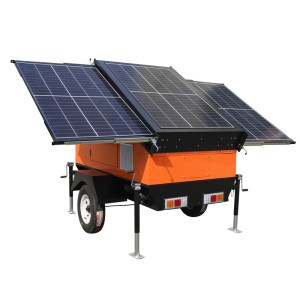
1. Outdoor Camping and Recreation: In remote campsites far from cities, portable generators power lighting, camping refrigerators, projectors, and small audio systems, creating a comfortable and enjoyable outdoor experience. New models integrated with solar panels achieve “zero-pollution” power, preserving the natural environment.
2. Home Emergency Power: During power outages caused by extreme weather like typhoons or torrential rains, they swiftly supply electricity to refrigerators, air conditioners, water heaters, routers, and medical devices, safeguarding basic household functions and health.
3. Construction Sites & Outdoor Operations: On grid-unconnected construction sites or road repair locations, portable generators provide stable power for drills, cutters, welders, surveying instruments, and more, ensuring uninterrupted progress. Certain fuel-powered models offer high load capacity to meet heavy-duty tool requirements.
4. Wilderness Exploration and Rescue: During outdoor expeditions, mountaineering, or emergency rescue operations, it powers communication devices (walkie-talkies, satellite phones), lighting equipment, and medical instruments, safeguarding personnel safety and facilitating rescue efforts.
Portable generators, these seemingly traditional devices, are profoundly responding to modern demands for mobility, autonomy, and safety through their continuous evolution. They have stepped from the shadows of disaster response to the forefront of creating a better life, becoming a bridge connecting stability and adventure, urban centers and wilderness, crises and everyday routines. In the foreseeable future, this “mobile energy heart” will beat stronger, cleaner, and smarter, continuously infusing every corner of human activity with indispensable vitality and possibility.