XN(XN6E)-A-DTLS-300x300.jpg)
-300x300.jpg)
-300x300.jpg)
XN(XN4ES)-Z珊瑚红-300x300.png)
-300x300.jpg)
-300x300.jpg)
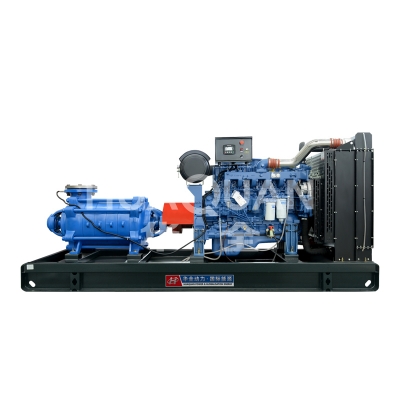
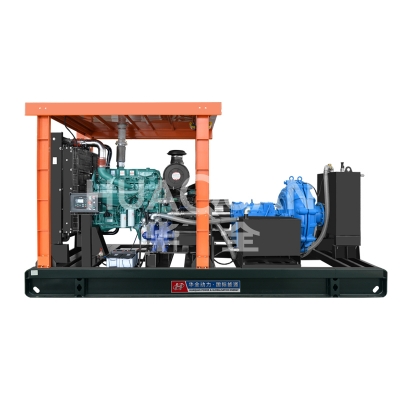


Farm Generator: The Lifeline of Livestock Production
In modern livestock farming, electricity serves as the core energy source sustaining production operations—ventilation, temperature control, feed distribution, wastewater treatment, lighting, and monitoring all rely on stable power supply. However, most farms are located in suburban or rural areas where grid coverage is relatively unreliable. Sudden power outages and voltage fluctuations frequently occur. A power interruption can cause minor issues like deteriorating farming conditions or major losses such as animal stress, equipment shutdowns, and feed spoilage. In such situations, farm generators become indispensable emergency backup equipment and the “lifeline” for the sustainable development of the farming industry.
I. Farm Generator
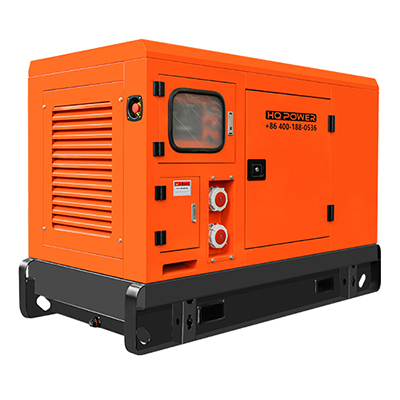
A farm generator specifically refers to backup or emergency power equipment designed and configured for the unique production environment of livestock farms. It functions as an independent power unit that automatically or manually activates during municipal grid outages, providing uninterrupted electrical support for life-sustaining systems and critical production equipment within the farm.
Farm generators are not merely simple power-generating equipment; they are indispensable “critical infrastructure” within the risk management systems of modern intensive farming operations. They deliver not just electricity, but the “oxygen” sustaining all life within the farm.
II. Huaquan is a Professional Manufacturer for Farm Generator
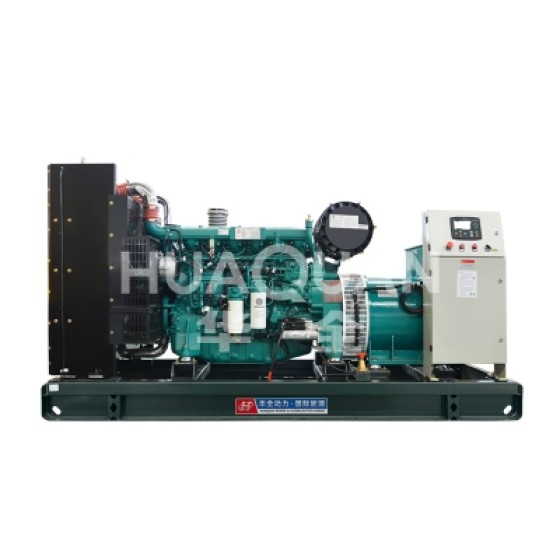
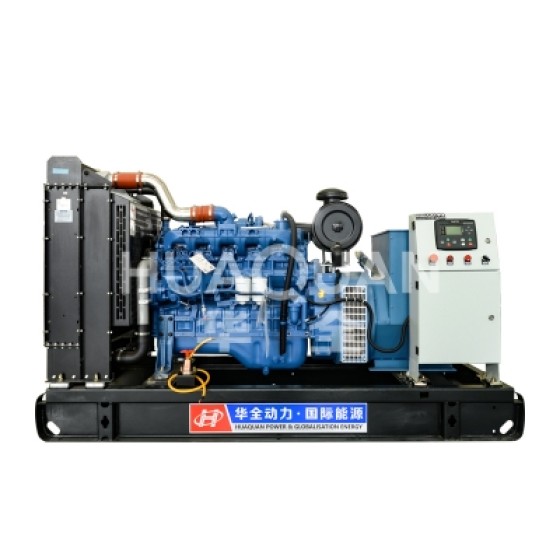
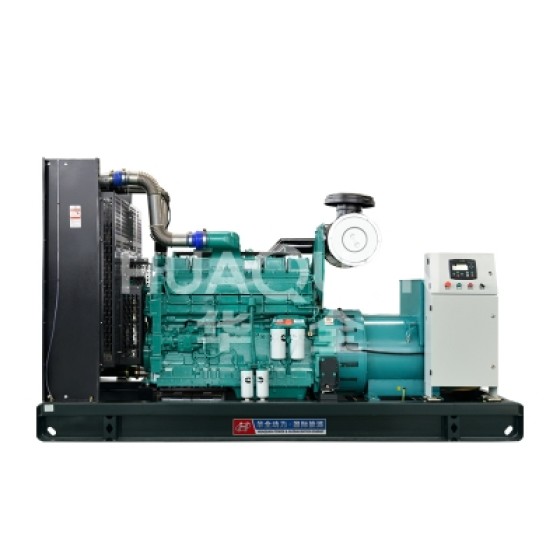
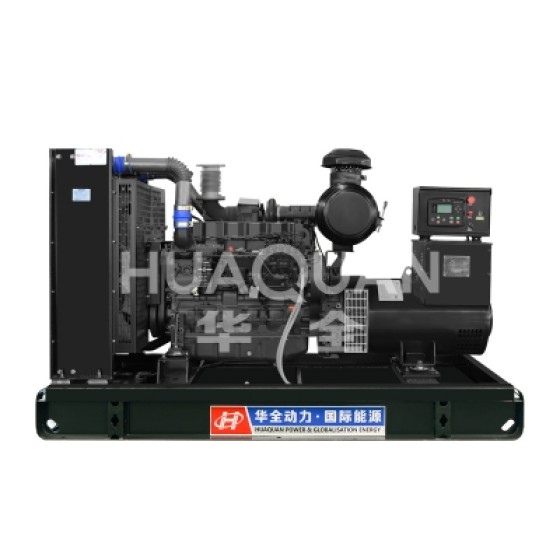
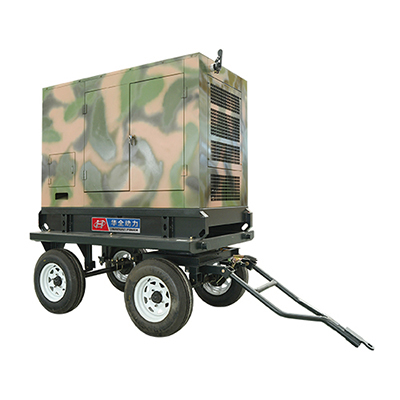
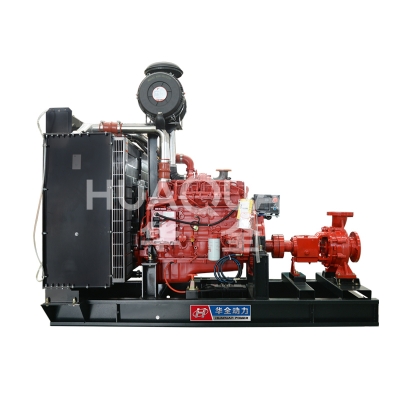
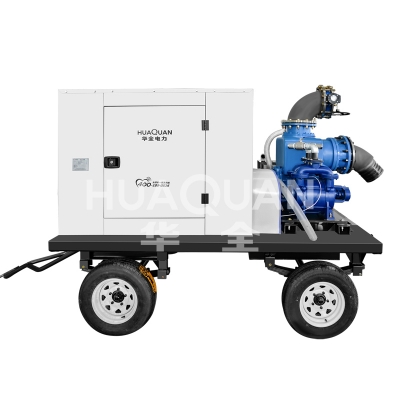
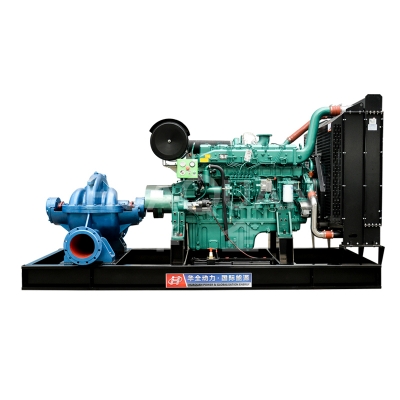
Huaquan is a professional manufacturer specializing in farm generator, with years of experience in addressing power supply needs within farming scenarios. We focus on researching and manufacturing generators across multiple fuel types—including diesel, gasoline, and natural gas—covering the full power range from small-scale individual farms to large-scale breeding bases. Its products not only feature optimized key performance characteristics tailored for farming environments—including waterproofing, dust resistance, low noise, and automatic start/stop—but also integrate professional selection consulting and after-sales maintenance support. Furthermore, they incorporate energy-saving and intelligent technology upgrades, comprehensively meeting the full-process power supply needs of farming operations. This demonstrates Huaquan's deep expertise and professional strength in the specialized field of farm generators.
III. The Core Role of Farm generator
1. Emergency Power Supply to Mitigate Sudden Risks
During grid outages, generators must automatically start within seconds to maintain power for critical equipment. For instance, during summer heatwaves, if ventilation fans or water curtain cooling systems cease operation, temperatures in poultry and pig houses can rapidly rise, leading to heatstroke and mortality among livestock. In winter, heating equipment shutdowns may cause frostbite in young animals. Additionally, failure of sewage pumps or biogas digester systems can result in wastewater overflow, polluting the environment and increasing disease risks. The rapid response capability of high-quality generators minimizes economic losses caused by power outages.
2. Stabilizing Voltage to Protect Precision Equipment
Some rural power grids experience significant voltage fluctuations. Modern farms are equipped with precision instruments such as smart temperature controllers, water quality monitoring devices, and automatic feeding systems. Voltage instability can cause equipment malfunctions or data inaccuracies. Generators provide stable power through voltage regulation, extending equipment lifespan and ensuring precise farm management.
3. Backup Expansion to Support Scale Upgrades
As farming operations expand, newly added livestock sheds and processing workshops may face grid capacity delays. Generators serve as temporary power solutions, enabling new production capacity to operate normally while buying time for grid upgrades. This prevents power shortages from constraining industry growth.
IV. Key Considerations for Selecting Farm Generators
1. Power Matching
First, calculate the total load power of the farm, including the rated power of equipment such as fans, water pumps, heaters, feeders, and lighting. Then reserve an additional 20%-30% of power capacity to accommodate the surge load when multiple devices start simultaneously and to meet future expansion needs.
2. Fuel Type: Balancing Cost and Convenience
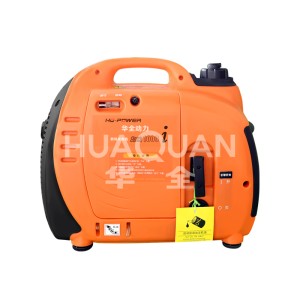
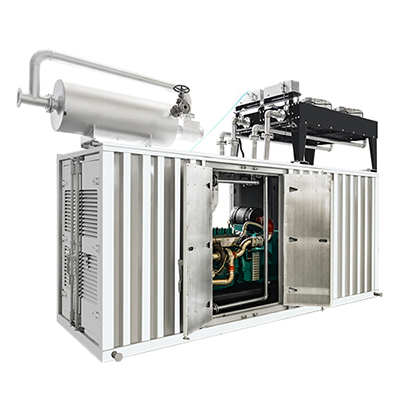
Common fuel types for farm generators include diesel, gasoline, and natural gas (LNG/CNG). Diesel generators offer robust power, low fuel consumption, and durability, making them ideal for extended continuous operation and the top choice for most farms. Gasoline generators are compact and quick to start but have limited runtime and higher fuel consumption, better suited for small farms or temporary backup. Natural gas generators are environmentally friendly, clean-burning, and operate quietly, yet require stable gas supply and are best for large-scale farms near natural gas pipelines.
3. Startup Methods to Ensure Emergency Response Speed
We recommend selecting dual-mode generators featuring “automatic start + manual start.” Automatic generators monitor grid status via sensors and activate power supply within 3-10 seconds after an outage without manual intervention, making them ideal for nighttime or unattended farms. Manual generators offer lower costs but slower response times, suitable only for small-scale operations or auxiliary backup.
4. Environmental Adaptability: Addressing Unique Farming Conditions
Farms typically feature humid, dusty, and odor-prone environments. Generators must offer waterproof, dustproof, and corrosion-resistant protection. Additionally, noise pollution must be controlled in livestock areas (to prevent animal stress). Opt for low-noise models with noise levels ≤75dB (at 1 meter distance) or use soundproof enclosures.
V. FAQs on Farm Generators
1. How to reduce daily operating costs of generators?
Start only when needed to avoid idling;
Select energy-efficient models;
Perform regular maintenance to prevent increased fuel consumption due to equipment wear;
Match loads appropriately to avoid energy waste from over-sizing equipment.
2. Where should the generator be installed?
Away from livestock and poultry housing: Avoid noise, exhaust fumes, and fire hazards affecting animals and personnel.
Near the electrical distribution room: Shorten cable runs to reduce power loss and installation costs.
On elevated, well-ventilated ground: Prevent waterlogging and facilitate unit cooling.
Convenient for fuel delivery and equipment maintenance.
Establish a dedicated machine room or weatherproof shelter with secure foundation anchoring.
3. How should farm generators be maintained?
Daily/Weekly: Check oil, coolant, and fuel levels; inspect for leaks.
Monthly: Conduct no-load operation test (10-15 minutes), inspect starter battery and belt tension.
Semi-annual/Annual: Perform load test (simulating actual power outage), replace engine oil and filters, and have a professional conduct comprehensive maintenance.
Fuel Management: Diesel should not be stored for more than 6 months. Regularly clean fuel tanks to prevent microbial growth.
VI. Application Cases of Farm Generators
1. As Backup Emergency Power Supply
Suitable for small and medium-sized livestock farms. Provides power to critical equipment such as ventilation, temperature control, and oxygen supply during grid outages, preventing short-term damage to biological assets.
2. As Primary Power Source for Off-Grid/Microgrid Systems
In remote areas without public grid access, farm generators integrate with solar PV and energy storage to form smart microgrids. This shifts operations from “always-on” to “last-resort backup,” significantly reducing fuel costs and pollution.
3. As Core of Circular Agriculture Systems
Suitable for large-scale industrial farms. Utilizes livestock manure to produce biogas for power generation, achieving energy self-sufficiency and environmental compliance. Surplus electricity fed into the grid generates additional revenue.
For livestock farms, generators are no longer merely “optional” backup equipment but core infrastructure that safeguards production safety and mitigates operational risks. Selecting generators tailored to specific needs, coupled with scientific selection and maintenance, not only prevents economic losses from power outages but also creates stable, suitable growth environments for livestock and poultry. This lays a solid power foundation for the large-scale, sustainable development of the farming industry. Amidst rising farming costs and intensifying market competition, a reliable farm generator is undoubtedly the “peace-of-mind choice” for farmers.