XN(XN6E)-A-DTLS-300x300.jpg)
-300x300.jpg)
-300x300.jpg)
XN(XN4ES)-Z珊瑚红-300x300.png)
-300x300.jpg)
-300x300.jpg)
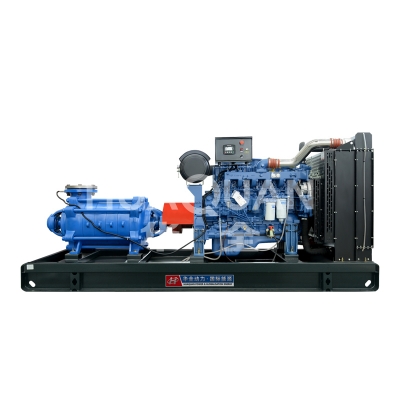
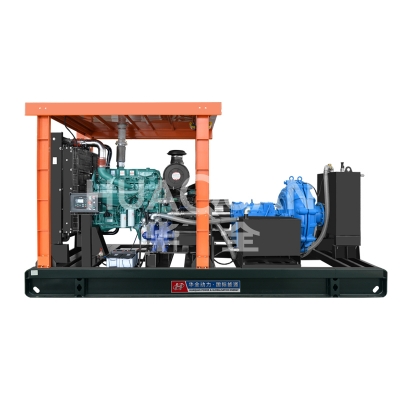


Oilfield Generators: Reliable Power Source
For the energy industry, Oilfield Generators serve as the “heart” that ensures the continuous operation of oil and gas extraction. These facilities are often deployed in remote areas beyond the reach of the power grid, undertaking the critical task of providing stable electricity for drilling, pumping, lighting, and living quarters.
I. Oilfield Generators
Oilfield generators are specialized, independent power generation equipment designed to provide stable, reliable electricity for exploration, drilling, production, and auxiliary operations in oil and gas fields.
Due to their specialized application environments, oilfield generators are not ordinary generators but rather integrated systems combining prime movers (engines), generators, control systems, and supporting equipment. Their core characteristic lies in customized designs tailored to the unique environments and stringent requirements of oil and gas fields.
They are not merely power generation units but complex energy systems that integrate environmental adaptability, fuel economy, operational safety, and high reliability.
II. Huaquan is a premium oilfield generator manufacturer
Huaquan employs top-tier domestic and international engine brands and conducts independent integration, ensuring the reliability of its power core.
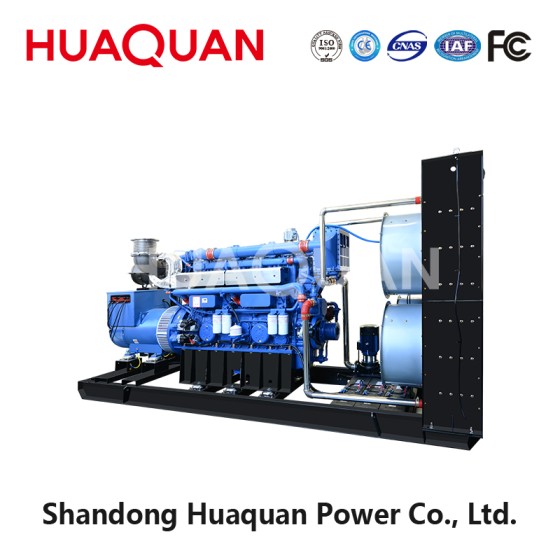
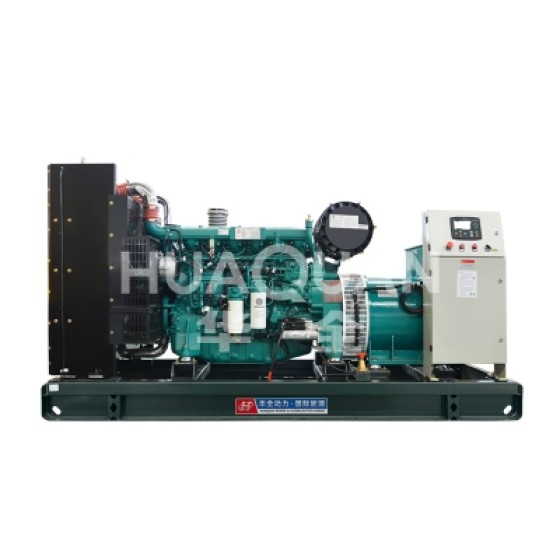
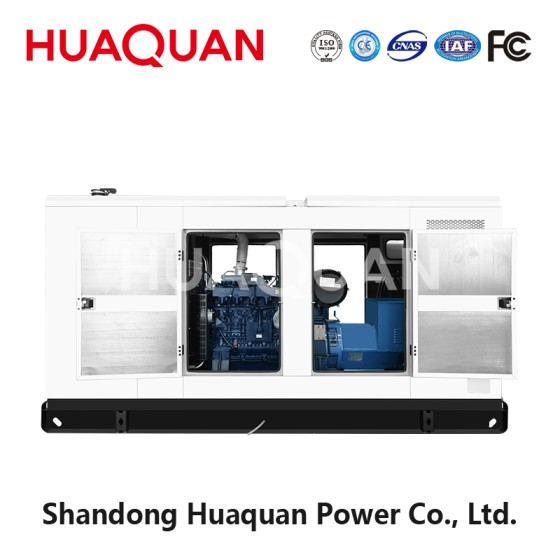
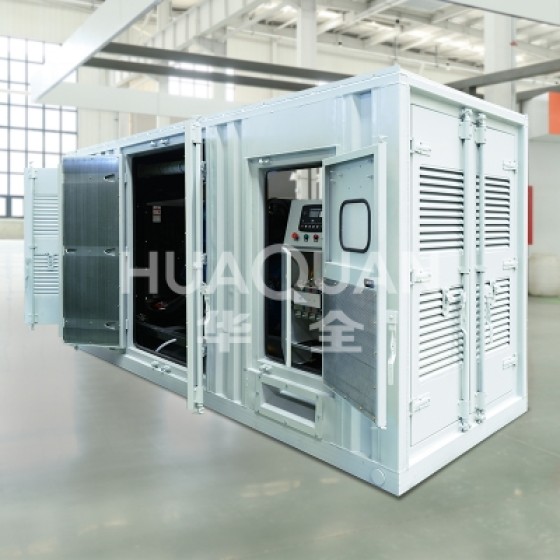
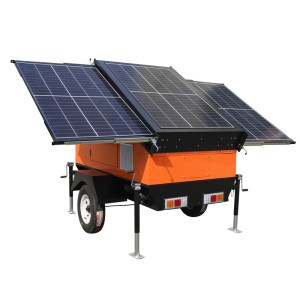
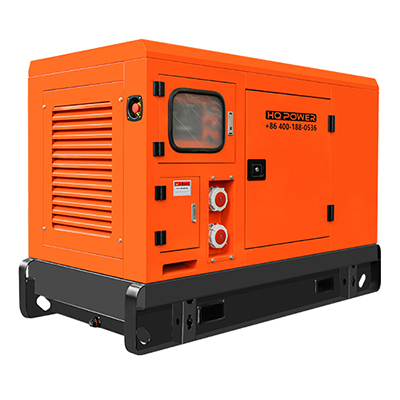
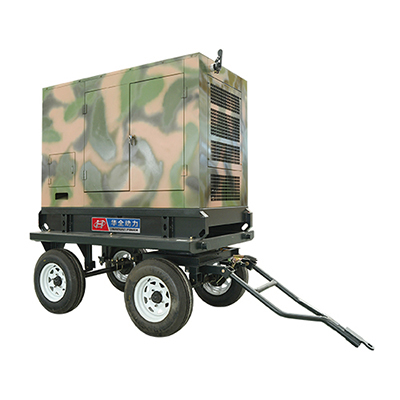
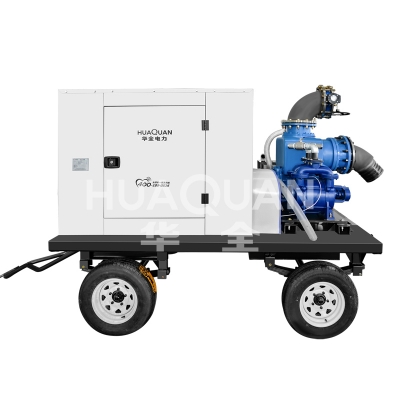
Huaquan products demonstrate strong adaptability potential. They possess the capability to generate electricity using associated petroleum gas from oilfields. Additionally, its high-power range products and customizable mobile trailers and soundproof enclosures align with specific requirements of oilfield operations.
III. Core Advantages of Oilfield Generators
Huaquan's oilfield generators are specifically engineered for the extreme conditions of oil and gas fields, offering distinct advantages:
1. Extreme Environment Adaptability
Featuring corrosion resistance, dust and sand protection, high/low temperature tolerance, and vibration-resistant design, they ensure stable operation in harsh environments like deserts, offshore locations, and polar regions, guaranteeing uninterrupted production.
2. Fuel Flexibility and Cost Efficiency
They efficiently utilize associated gas and natural gas, converting waste gases into electricity to significantly reduce fuel costs.
3. Ultra-High Reliability and Safety
Features explosion-proof design, multiple protection layers, and high-redundancy systems, enabling safe operation in flammable and explosive environments. Prevents catastrophic accidents and safeguards lives and property.
4. High Energy Efficiency and Intelligent Management
Delivers high power generation efficiency with capabilities for waste heat recovery and intelligent monitoring management. Effectively enhances overall energy efficiency, enables predictive maintenance, and optimizes operational costs.
5. Environmental Compliance
Utilizes low-emission combustion technology to reduce flare burning, directly lowering methane and carbon dioxide emissions to help enterprises meet environmental standards.
IV. Special Technical Requirements for Oilfield Generators
1. Explosion-proof certification: In explosive gas environments (e.g., drilling platforms, processing plants), units must comply with ATEX (European standard), IECEx (international), or domestic explosion-proof standards.
2. Corrosion resistance treatment: The engine body, radiator, cables, etc., require special coatings or material treatments to withstand corrosive media such as hydrogen sulfide.
3. High-Altitude and Low-Temperature Starting: For plateau or frigid oilfields, engines require power correction and auxiliary starting devices.
4. Modular and Relocatable Design: Enables easy movement as oilfield operations shift locations.
5. Remote Monitoring and Intelligent Operations & Maintenance: Enables unmanned operation, remote fault diagnosis, and predictive maintenance via satellite or wireless networks.
V. FAQs About Oilfield Generators
1. What are the most critical factors when selecting a generator for an offshore drilling platform?
The primary considerations are “safety” and “reliability,” specifically including:
Explosion-proof rating: Must comply with the highest explosion-proof standards for offshore platforms (e.g., ATEX, IECEx).
Fuel adaptability: Prioritize dual-fuel or gas-fired units capable of utilizing platform associated gas to reduce costs and emissions.
Corrosion Resistance: Units must undergo rigorous salt spray and humid heat environment protection treatments.
Redundancy Configuration: Typically employs an “N+1” or multiple parallel-connected units configuration to ensure uninterrupted power supply in case of a single unit failure.
2. What special requirements must generators meet when utilizing associated gas for power generation?
Associated gas has complex composition (potentially containing hydrogen sulfide, numerous impurities, and unstable pressure), requiring the unit to have:
Gas treatment system: High-efficiency pre-installed desulfurization, dehydration, and pressure stabilization equipment.
Engine adaptability: The engine must accommodate low-calorific-value gas with fluctuating composition while maintaining efficient and stable combustion.
Control System: Capable of intelligently adjusting the air-fuel ratio to compensate for fluctuations in gas pressure and quality.
3. How is the “economic viability” of an oilfield generator assessed?
Fuel Cost: Utilizing free/low-cost associated gas significantly reduces expenses, representing the primary advantage.
Operating and Maintenance Costs: High-reliability units experience fewer failures, longer maintenance intervals, and lower overall costs.
Energy Efficiency: Higher power generation efficiency minimizes fuel-to-electricity conversion losses. Implementing cogeneration can further boost overall energy efficiency to over 70%.
Environmental Costs: Low-emission units may qualify for policy incentives and avoid future carbon tax liabilities.
VI. Application Scenarios for Oilfield Generators
1. Onshore Drilling: In power-deficient areas such as deserts and mountainous regions, diesel generator sets serve as the primary power source. Their value lies in rapid deployment and independent power supply, providing electricity for drilling rigs, mud pumps, lighting, and camp facilities.
2. Offshore Drilling Platforms: This environment demands the highest safety standards. Explosion-proof dual-fuel generator sets are standard equipment. They utilize associated gas produced by the platform and automatically switch to diesel fuel when the primary fuel (gas) supply is interrupted, ensuring uninterrupted drilling operations even in severe sea conditions.
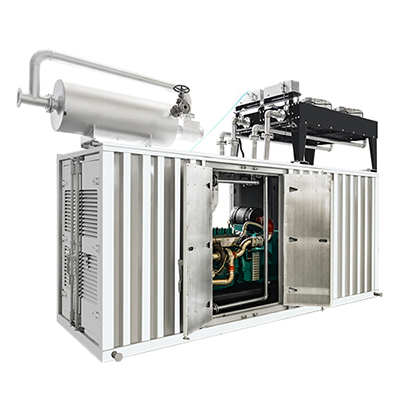
3. Marginal Oilfields/Scattered Gas Fields Development: For fields with small reserves where laying power grids or subsea cables is uneconomical, a containerized gas-fired power generation solution makes development economically viable.
4. Digitalization and Smart Oilfields: Provides distributed, reliable microgrid power for IoT sensors, edge computing devices, and communication base stations spread across oilfields.
Oilfield generators are the unsung heroes of the global oil and gas industry, enabling E&P activities in the world's harshest environments while adapting to evolving demands for efficiency, sustainability, and reliability. In the dynamic world of oil and gas exploration, power reliability is non-negotiable. Choose our Oilfield Generators to cut costs, reduce emissions, and ensure uninterrupted operations—no matter where your oilfield is, no matter how harsh the conditions.