XN(XN6E)-A-DTLS-300x300.jpg)
-300x300.jpg)
-300x300.jpg)
XN(XN4ES)-Z珊瑚红-300x300.png)
-300x300.jpg)
-300x300.jpg)


The Difference Between Electronic and Mechanical Speed Controllers for Generator Sets
You have to regulate the speed of generators to ensure constant frequency. Speed controllers have a direct influence on performance, efficiency and reliability. In this paper, the author describes the distinction between electronic and mechanical speed controllers used in generator sets.
What is a Speed Controller in a Generator Set
Speed controllers available today are of two major types. These are mechanical speed controllers and electric speed controllers.
• A generator set has a speed controller that controls the engine speed.
• Output frequency and voltage stability is dependent on engine speed.
• In case the speed is not constant, electrical equipment could malfunction or break down.
• Diesel generators need to have constant RPM loads.
• Speed controllers are used to vary the fuel supply to control the engine speed.
• Proper speed regulation means consistent power supply.
General Introduction to Mechanical Speed Controllers
Mechanical speed controllers work by having a light bulb-shaped component positioned inside the engine chamber.
• Traditional governor systems use mechanical speed controllers.
• They work under the power of mechanical force and rotation of the engine.
• They need not have electronic components or sensors.
• Flyweights and springs are utilized by mechanical governors.
• The flyweights are moved mechanically because of changes in engine speed.
• Fuel supply varies according to mechanical movement.
• These systems are directly sensitive to the changes in engine speed.
• They have been applied in generator applications over decades.
• Mechanical governors are plain and durable in nature.
Working Principle of Mechanical Speed Controllers
• Speed controllers that are mechanical are centrifugal powered.
• When the engine speed rises, flyweights shift to the outward direction.
• This movement minimises fuel supply to the engine.
• As the load is added, the engine speed reduces.
• Flyweights travel inwards since the centrifugal force becomes lower.
• It increases fuel intake in order to get the engine running again.
• This is an ongoing process in the course of operation.
• The system is solely dependent on the physical movement.
• There are no electronic feedback or sensors involved.
Advantages of Mechanical Speed Controllers
Mechanical speed controllers have a number of viable advantages.
• Less complicated and fewer elements.
• Simple to service and operate.
• Not required to have electronic power supply.
• They are good in unfavorable conditions.
• They are less sensitive to dust, moisture and heat.
• They can be used in simple and constant loading.
• The mechanical governors are usually economical.
• They are usually applied in smaller generator sets.
• They are also sought after in lack of sophisticated control.
Weaknesses Of Mechanical Speed Controllers
Speed controllers that are mechanical have their limitations as well.
• Delay in reaction to abrupt loads.
• Less faster than electronic systems.
• Under variable loads it is possible that there will be frequency variations.
• They have problems with sensitive electrical equipment.
• Mechanical precision control is hard to accomplish.
• Performance is influenced by wear and tear.
• Mechanical elements should be adjusted periodically.
• Linkages and springs can become out of calibration.
• This causes low speed stability.
The Functioning of Electronic Speed Controllers
• The speed controllers of the electronic type are controlled by feedback.
• Real time engine speed sensors read engine RPM.
• The controller uses comparison of actual speed against the set one.
• Any deviation will cause instant correction.
• Fuel flow is changed instantly by the actuator.
• The engine speed levels off in milliseconds.
• It is a closed loop system that is highly accurate.
• Frequency deviation is reduced through electronic control.
• Even when there are sudden changes of loads, it remains the same in output.
The Benefits of Electronic Speed Controllers
Speed controllers of processing are electronically superior.
• High speed stability and accuracy.
• Quick reaction to changes in loads.
• Improved fuel efficiency.
• They suit delicate electrical appliances.
• Hospitals and data centers enjoy constant frequency.
• The operation of paralleled generators is more stable.
• Remote monitoring is also assisted by electronic governors.
• They are built in with control panels and automation.
• They lower manual adjustment and maintenance requirements.
Disadvantages of the Electronic Speed Controllers
There are also disadvantages of electronic speed controllers.
• Greater initial price than mechanical systems.
• Reliance on electronic parts and devices.
• Pertinacity to severe circumstances.
• They use constant power to operate.
• Electronic breakdowns can have a need of experienced technicians.
• Repairs could be very expensive.
• It should be properly installed and grounded.
• Protection of the environment may be necessitated.
• Sensors should be inspected regularly.
Comparison Between Speed, Accuracy and Load Response
Accuracy of the speed varies greatly in the two systems.
• The mechanical controllers have greater speed change.
• Electronic regulators have smaller tolerance of speed.
Under sudden load changes:
• The mechanical governors are slow in their reaction.
• Electronic governors give nearly immediate replies.
• Frequency dips are minimized by electronic systems.
• Fluctuation may be observable in mechanical systems.
• Electronic control is needed in load-sensitive applications.
Comparison Of Maintenance and Reliability
Systems have different maintenance requirements.
• Mechanical controllers will have to be periodically calibrated.
• Styles and chain armatures can become worn.
• Electronic controllers have fewer mechanical requirements.
• Electronic components should however be safeguarded.
• The harsh conditions are more acceptable by mechanical systems.
• Electronic systems do not tolerate unclean and unstable environments.
Dependability is based on the terms of application. Both systems are good, provided that they are maintained.
Costs When Selecting a Speed Controller
The role of cost in selection is large.
• Mechanical controllers are cheaper in the initial outlay.
• Electronic controllers are costly to start up.
Nevertheless, long-term expenditures vary.
• Fuel efficiency is enhanced by electronic controllers.
• Fewer downtimes will save operational expenses.
Electronic systems are warranted by high-performance applications.
Why Huaquan Power Generator Sets Use Advanced Speed Control
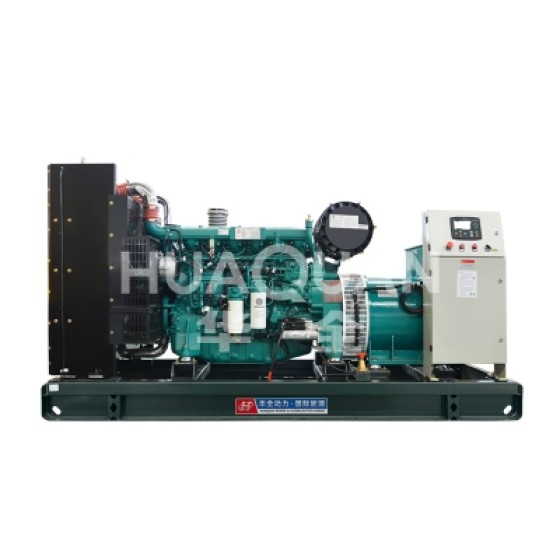
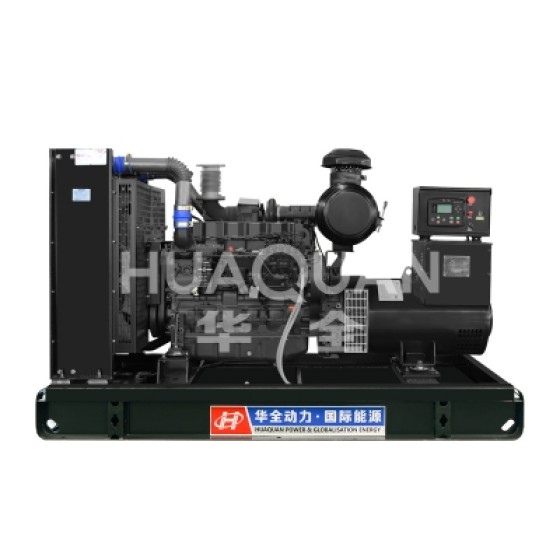
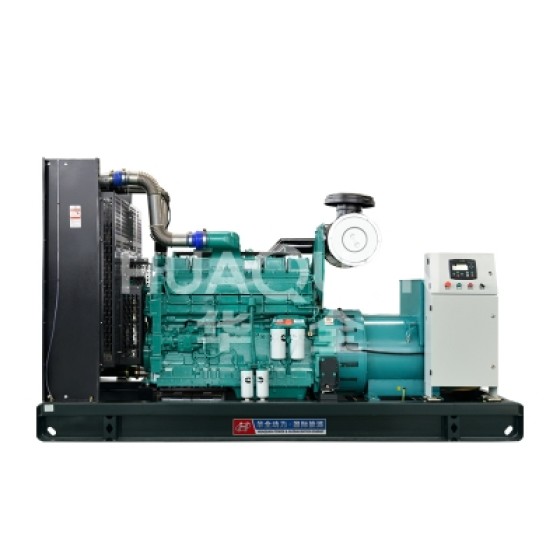
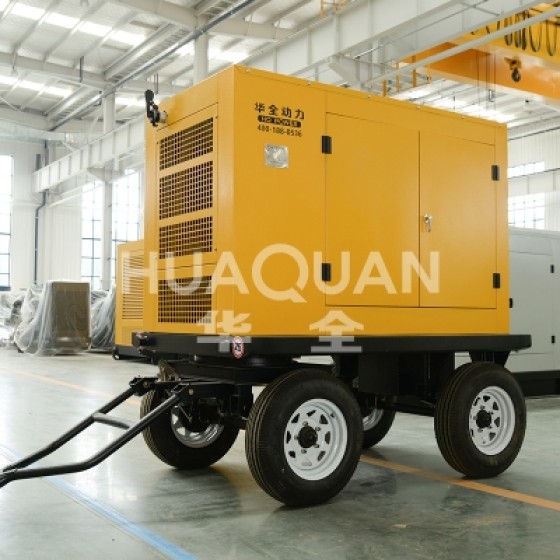
Huaquan Power designs generator sets for reliability. They offer both mechanical and electronic governor options.
• Generator sets range from 5 kW to 3000 kW.
• Systems meet industrial and commercial standards.
Huaquan Power selects speed controllers based on application needs. Electronic governors are used for precision power requirements.
• Full-load testing ensures stable speed performance.
• Advanced control panels support electronic governors.
Global after-sales support assists with setup and operation. Proper speed control ensures long-term generator performance.
Conclusion
The type of speed controller to use in operation of the generator should be chosen. Simple applications that have steady loads are appropriate to mechanical controllers. Electronic controllers provide the accurate control of challenging power systems.