XN(XN6E)-A-DTLS-300x300.jpg)
-300x300.jpg)
-300x300.jpg)
XN(XN4ES)-Z珊瑚红-300x300.png)
-300x300.jpg)
-300x300.jpg)
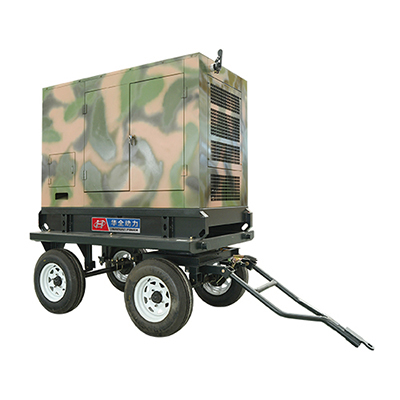
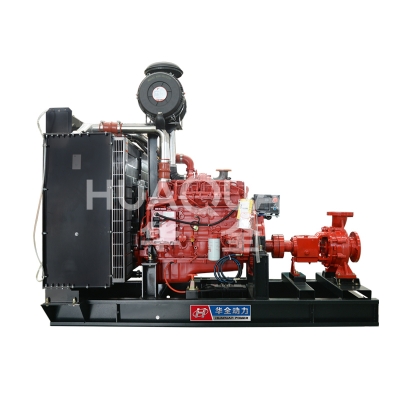
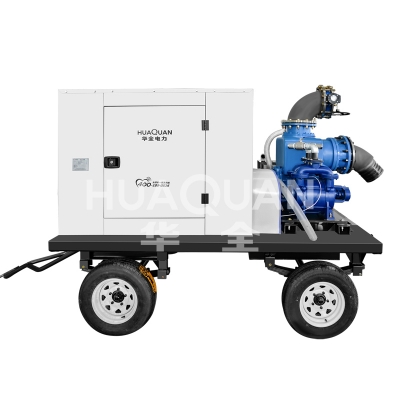
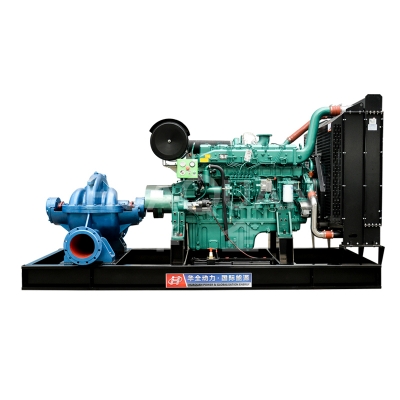


Стандарты соответствия и технические требования к больничным генераторам
В каждом уголке больницы, от бестеневых ламп в операционных до мониторов жизнеобеспечения в отделениях интенсивной терапии, от аппаратов гемодиализа до фармацевтических холодильников, электричество служит жизненно важной линией, поддерживающей все функции, необходимые для поддержания жизни. Если питание от сети прерывается даже на несколько секунд, это может привести к непоправимым медицинским инцидентам. Больничные генераторы, являющиеся ядром систем аварийного энергоснабжения, функционируют как надежное «сердце аварийного энергоснабжения». Вступая в действие во время электрических кризисов, они обеспечивают безопасность медицинских операций, служа невидимыми хранителями жизни.
I. Больничные генераторы
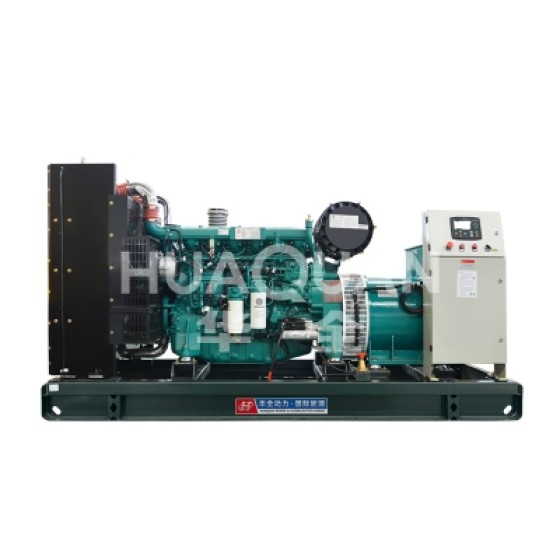
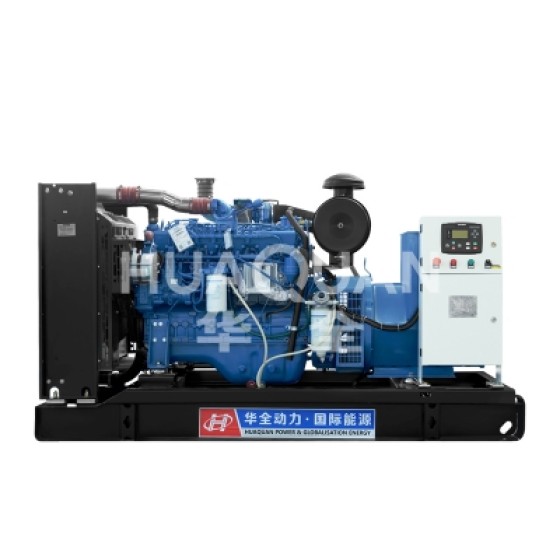
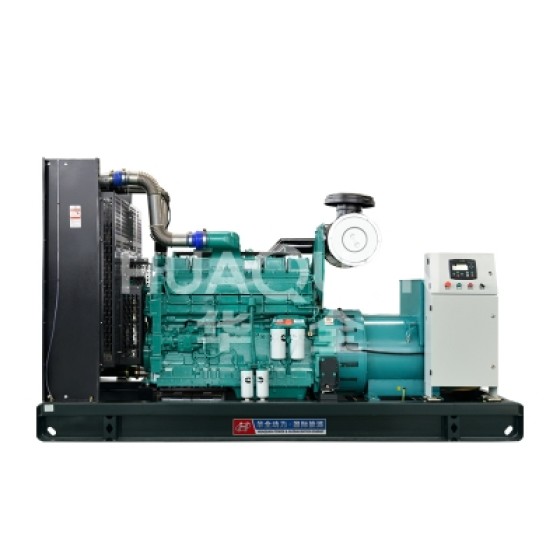
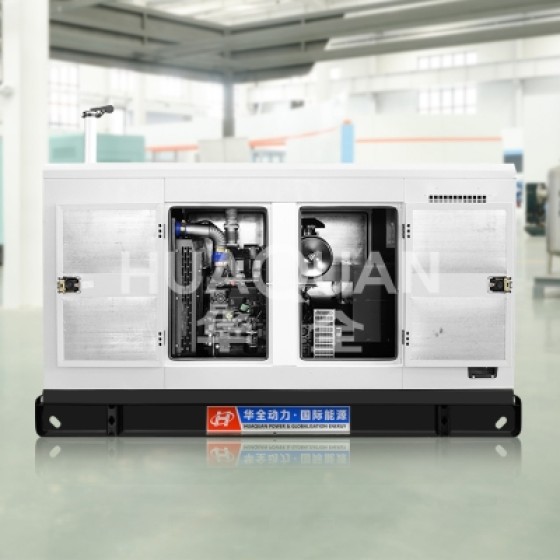
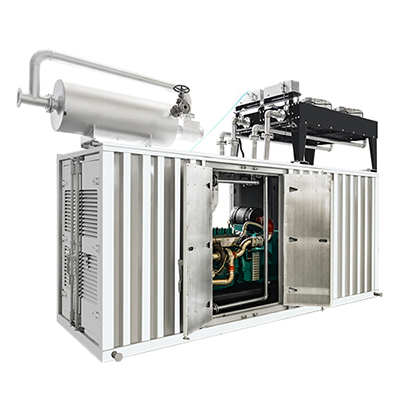
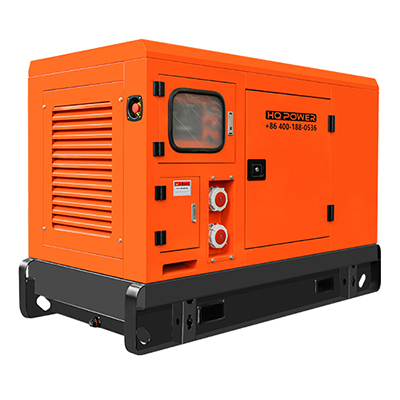
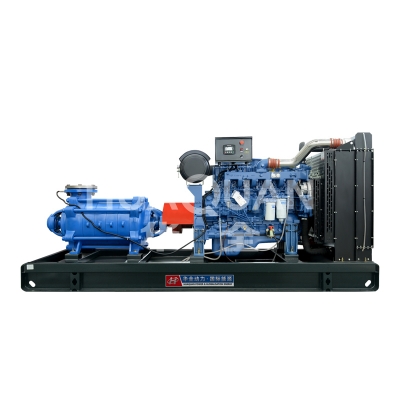
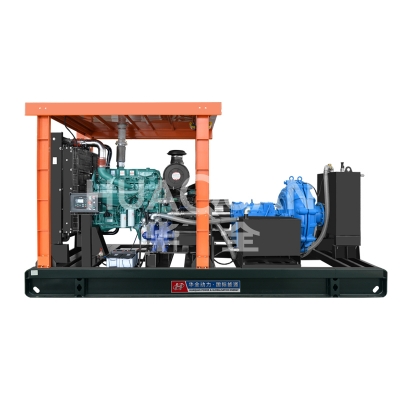
Больничные генераторные установки выходят далеко за рамки обычных генераторов. Они представляют собой высокотехнологичную систему аварийного энергоснабжения (EPS), включающую дизельные или газовые турбины, автоматические переключатели (ATS), сложные системы управления и специальную инфраструктуру для подачи топлива. Их основная задача — запуститься в течение 10 секунд после отключения электроэнергии и выйти на полную мощность, обеспечивая энергией «жизненно важные нагрузки», в том числе операционные, отделения интенсивной терапии, отделения неонатологии, отделения неотложной помощи, критически важное медицинское оборудование, а также системы освещения и вентиляции.
II. Huaquan: специализированный производитель больничных генераторов
Как специализированный производитель больничных генераторов, компания Huaquan на протяжении многих лет занимается вопросами аварийного энергоснабжения в медицинских учреждениях. Сосредоточившись на исследованиях, разработке, производстве и поставке индивидуальных решений для больничных генераторов, мы предлагаем ассортимент продукции, включающий дизельные, газовые и гибридные генераторные установки на новых источниках энергии, адаптированные для различных медицинских учреждений. Строго соблюдая национальные и международные стандарты в области медицинского энергоснабжения, наши генераторы сочетают в себе быстрый запуск, стабильное энергоснабжение, низкий уровень шума, экологичность и интеллектуальное управление. Эти генераторы точно соответствуют требованиям к аварийному энергоснабжению во всех условиях, от первичных медицинских центров до крупных третичных больниц. В дополнение к комплексным услугам по техническому обслуживанию и поддержке тестирования, Huaquan использует зрелые производственные процессы и профессиональный технический опыт для укрепления жизненно важных систем энергоснабжения медицинских учреждений, утверждая себя в качестве надежного партнера в секторе аварийного энергоснабжения здравоохранения.
III. Стандарты соответствия для больничных генераторов
Учитывая их непосредственное влияние на безопасность пациентов, производство, установка, эксплуатация и техническое обслуживание больничных генераторов должны соответствовать строгим национальным и международным стандартам и нормам. Это гарантирует, что характеристики оборудования соответствуют техническим требованиям и сохраняется его эксплуатационная надежность.
На национальном уровне такие нормативные акты, как «Технические спецификации по обеспечению электроснабжения в медицинских учреждениях», «Стандарты проектирования электрооборудования для зданий здравоохранения» и «Обязательные требования к конфигурации аварийного электроснабжения», прямо предусматривают, что больницы II и выше должны быть оборудованы двухконтурным электроснабжением и автономными источниками аварийного питания. Кроме того, аварийное электроснабжение должно автоматически включаться в течение 10 секунд после отключения основного источника питания. Одновременно все технические параметры генераторов должны соответствовать соответствующим стандартам, включая коэффициент колебаний напряжения ≤ ±0,5%, общее гармоническое искажение < 2,5%, противодавление выхлопных газов ≤ 6,6 кПа и класс изоляции H, чтобы обеспечить стабильное качество электроснабжения, подходящее для работы прецизионного медицинского оборудования.
На международном уровне больничные генераторы должны соответствовать таким стандартам, как NFPA 110 (Системы аварийного и резервного электроснабжения), NFPA 99 (Стандарт для медицинских учреждений). В частности, NFPA 101 прямо оговаривает, что аварийные генераторы, питающие системы аварийного освещения, должны быть установлены, испытаны и обслуживаться в соответствии с требованиями NFPA 110. Больницы, оборудованные системами жизнеобеспечения (например, использующие вентиляторы или дома престарелых), должны дополнительно соответствовать соответствующим положениям NFPA 99. Кроме того, стандарт Международной электротехнической комиссии (IEC) 60601-1 прямо требует, чтобы медицинское электрооборудование сохраняло свои основные функции в ненормальных условиях электроснабжения. Это требует, чтобы общее гармоническое искажение (THD) выходной мощности больничных генераторов контролировалось на уровне ниже 3%, с частотной стабильностью лучше ±0,5% и колебаниями напряжения, не превышающими ±2%.
IV. Технические требования к больничным генераторам
1. Возможность быстрого запуска, обеспечивающая активацию и стабильное энергоснабжение в течение определенного времени после сбоя в сети. Устройства премиум-класса могут достигать времени запуска всего 3-5 секунд.
2. Стабильное качество электроэнергии с минимальными колебаниями напряжения и частоты, предотвращающее повреждение прецизионного медицинского оборудования из-за нестабильного питания.
3. Высокая надежность с возможностью длительной непрерывной работы для устранения длительных перебоев в подаче электроэнергии из сети. Оснащены комплексными функциями самодиагностики неисправностей для оперативного обнаружения и оповещения о неисправностях оборудования.
4. Интеллектуальное управление, позволяющее автоматически переключаться с питания от сети на аварийное питание, осуществлять удаленный мониторинг и контролировать рабочие параметры в режиме реального времени (например, давление масла, температуру охлаждающей жидкости, напряжение аккумулятора). Некоторые устройства могут легко интегрироваться с системами управления энергопотреблением (EMS) больниц для интеллектуальной эксплуатации и технического обслуживания.
V. Часто задаваемые вопросы о больничных генераторах
1. Каковы конкретные требования к конструкции больничных генераторов?
Расположение и защита: как правило, размещаются в специальных помещениях для генераторов или на крышах, оснащены водонепроницаемой изоляцией, защитой от затопления, огнестойкостью и адекватной вентиляцией. Располагаются вдали от палат для пациентов, чтобы минимизировать шум и вибрацию.
Запасы топлива: запасы дизельного топлива должны обеспечивать работу генератора на полной мощности в течение не менее 24–72 часов, при этом для больших больниц может потребоваться более длительный срок.
Выхлопные газы и соответствие экологическим нормам: выхлопные газы должны очищаться в соответствии с экологическими нормами, чтобы не оказывать негативного воздействия на качество воздуха в больнице и вокруг нее.
Удаленный мониторинг: возможность интеграции с системами автоматизации зданий (BA) больницы или платформами IoT для обеспечения мониторинга состояния в режиме реального времени и оповещения о неисправностях.
2. Каковы ключевые аспекты ежедневной эксплуатации и технического обслуживания больничных генераторов?
Во-первых, регулярные проверки и испытания (в соответствии со стандартами NFPA 110), включая мониторинг состояния топлива, моторного масла и аккумуляторов, проведение периодических испытаний без нагрузки и под нагрузкой, а также ведение журналов испытаний;
Во-вторых, стандартизированное техническое обслуживание: регулярная замена расходных материалов, очистка топливных баков и проверка систем молниезащиты и заземления;
В-третьих, надежное управление: создание специальной эксплуатационной группы, ведение двух комплектов руководств по эксплуатации оборудования и создание комплексных записей о техническом обслуживании на протяжении всего жизненного цикла;
В-четвертых, аварийные учения: определение ролей и обязанностей, отработка процедур запуска, переключения и выключения.
3. В чем заключаются основные преимущества компании Huaquan как специализированного производителя больничных генераторов?
Во-первых, наша глубокая специализация заключается в целенаправленных исследованиях, разработке, производстве и создании индивидуальных решений для больничных генераторов, а наша продукция строго соответствует отечественным и международным медицинским стандартам.
Во-вторых, наша продукция обладает широкой адаптивностью, охватывая различные номинальные мощности и несколько типов топлива, что точно соответствует требованиям как первичных медицинских учреждений, так и больниц третичного уровня.
В-третьих, наше комплексное предложение услуг включает системы удаленного мониторинга, профессиональные рекомендации по эксплуатации и вспомогательные объекты, такие как наружные заправочные станции, обеспечивая медицинским учреждениям комплексную гарантию энергоснабжения.
VI. Сценарии применения больничных генераторов
1. Специализированное энергоснабжение оборудования жизнеобеспечения
Это наиболее важная область применения больничных генераторов, которая напрямую влияет на безопасность пациентов. Она требует бесперебойного электроснабжения после сбоя в сети. Ключевые области включают отделения интенсивной терапии (ОИТ), отделения неонатологии и отделения коронарной терапии (ОКТ), оборудование для поддержки жизнедеятельности, такое как аппараты искусственной вентиляции легких, кардиомониторы, инфузионные насосы, насосы для кормления, инкубаторы для новорожденных и неинвазивные аппараты искусственной вентиляции легких.
2. Критические сценарии питания медицинского оборудования
Для основных диагностических и терапевтических процедур, которые не могут быть прерваны, генераторы больниц должны обеспечивать непрерывную поддержку на протяжении всего процесса, чтобы предотвратить сбои в лечении или возникновение медицинских рисков из-за отключения электроэнергии. Это включает в себя три основные категории: во-первых, хирургические процедуры, в том числе оборудование операционных, такое как хирургические лампы, аппараты для анестезии, электрохирургические аппараты и лапароскопы. Во-вторых, визуализация и диагностические тесты, включающие в себя точное оборудование, такое как компьютерные томографы, аппараты МРТ, системы цифровой рентгенографии, ультразвуковые сканеры, полностью автоматизированные биохимические анализаторы и гематологические анализаторы. В-третьих, специализированные виды лечения, такие как аппараты для гемодиализа, оборудование для лучевой терапии в онкологии и гипербарические кислородные камеры.
3. Сценарий электроснабжения базовой системы поддержки больницы
Помимо непосредственного питания клинического оборудования, больничные генераторы должны также снабжать электроэнергией все основные системы поддержки учреждения, чтобы обеспечить нормальную работу и предотвратить вторичные угрозы безопасности. К ключевым системам относятся: Системы аварийного освещения, обеспечивающие достаточное освещение коридоров, лестничных клеток и палат для пациентов во время сбоев в подаче электроэнергии, чтобы обеспечить безопасность передвижения персонала и перемещения пациентов; Системы пожарной безопасности, включая автоматические пожарные сигнализации, системы спринклеров и системы дымоудаления/вентиляции, предотвращающие увеличение риска возгорания во время отключения электроэнергии; лифтовые системы, в частности медицинские лифты, для обеспечения безопасной эвакуации застрявших пациентов, медицинского персонала и медицинских материалов во время отключения электроэнергии; оборудование для хранения медицинских материалов, включая фармацевтические холодильники, холодильники для образцов и устройства для хранения вакцин, для предотвращения порчи или потери пригодности лекарств и образцов; кроме того, системы очистки сточных вод и системы подачи медицинского газа имеют решающее значение для предотвращения загрязнения окружающей среды или перебоев в подаче газа, которые могут повлиять на оказание клинической помощи.
4. Особые сценарии и ситуации с аварийным энергоснабжением
Для непредвиденных обстоятельств и особых медицинских сценариев генераторы больниц должны обладать гибкой адаптивностью, чтобы обеспечить аварийное энергоснабжение. Во-первых, во время чрезвычайных ситуаций в области общественного здравоохранения, таких как эпидемии или внезапные бедствия, мобильные больницы и временные лечебные центры требуют быстрого развертывания генераторных установок для питания временного медицинского оборудования, освещения палаток и дезинфекционных аппаратов, что обеспечивает безопасность неотложных медицинских операций. Во-вторых, в отдаленных районах и учреждениях первичной медицинской помощи, где электроснабжение часто нестабильно и подвержено частым отключениям, генераторы служат надежным дополнительным источником питания, обеспечивая бесперебойное предоставление основных диагностических и лечебных услуг. В-третьих, во время плановых отключений электроэнергии для технического обслуживания или при неисправностях в линиях электропередачи генераторы могут заменить электросеть для обеспечения работы основных зон и критически важного оборудования, предотвращая полное прекращение медицинского обслуживания. В-четвертых, при проведении крупномасштабных медицинских мероприятий, таких как общественные клиники или медицинские учения, портативные больничные генераторы могут питать временно установленное медицинское оборудование, обеспечивая бесперебойное проведение мероприятий.
Больничные генераторы могут казаться неприметным оборудованием, спрятанным в углах больниц, но они выполняют жизненно важную миссию по защите человеческих жизней. Редко включаясь в работу, они постоянно находятся в режиме ожидания; работая бесшумно, они обеспечивают основу для всех спасательных операций. Эти генераторы неуклонно удерживают лидирующие позиции в области энергоснабжения, обеспечивая стабильное и надежное электроснабжение, укрепляя основу безопасности медицинских операций и создавая защитный зонтик над пациентами. Они обеспечивают надежное энергоснабжение для высококачественного развития медицинских услуг.