
XN(XN6E)-A-DTLS-300x300.jpg)
-300x300.jpg)
-300x300.jpg)
XN(XN4ES)-Z珊瑚红-300x300.png)
-300x300.jpg)
-300x300.jpg)


Бензиновый генератор: универсальное решение для обеспечения электроэнергией в различных ситуациях
В эпоху все более широкого распространения электроснабжения бензиновые генераторы по-прежнему играют незаменимую роль во всем мире. От шума строительных площадок до мягкого света кемпингов, от аварийного энергоснабжения после ураганов до повседневного энергоснабжения в отдаленных районах — эти генераторы с двигателями внутреннего сгорания стали незаменимыми резервными и мобильными источниками энергии для домашних аварийных ситуаций, строительных площадок, приключений на природе и малых предприятий благодаря своей уникальной гибкости и надежности.
I. Бензиновый генератор
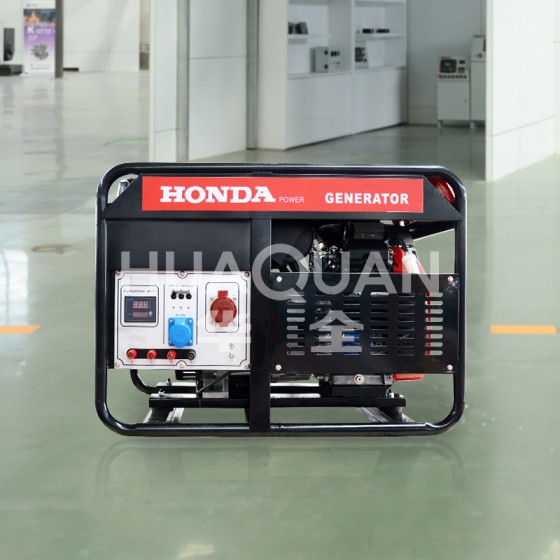
Бензиновые генераторы — это энергогенерирующие установки, работающие на бензине, состоящие из бензинового двигателя внутреннего сгорания и генератора переменного тока. Благодаря преобразованию энергии они обеспечивают портативное, надежное резервное и мобильное энергоснабжение для различных сценариев. Они широко используются в домашних хозяйствах, на открытом воздухе, на строительных площадках, в малых предприятиях и в других ситуациях, требующих временного или аварийного энергоснабжения.
II. Huaquan: профессиональный производитель бензиновых генераторов
Huaquan: профессиональный производитель бензиновых генераторов. Являясь крупным предприятием с глубокими знаниями в области бензиновых генераторов, Huaquan специализируется на исследованиях, разработке, производстве и продаже различных моделей бензиновых генераторов. Благодаря строгому контролю качества на всех этапах производства и комплексной системе послепродажной поддержки, наши генераторы точно соответствуют разнообразным требованиям к энергоснабжению — от бытовых аварийных ситуаций и работ на открытом воздухе до строительных площадок и коммерческих резервных систем. Благодаря профессиональным продуктам и услугам мы предоставляем эффективные, стабильные и надежные решения по выработке электроэнергии для всех потребностей пользователей.
III. Классификация бензиновых генераторов
Бензиновые генераторы можно разделить на различные типы в зависимости от портативности, выходной мощности и сценариев применения, причем каждый тип адаптирован к конкретным требованиям. Наиболее распространенными являются портативные бензиновые генераторы, инверторные бензиновые генераторы, резервные бензиновые генераторы и коммерческие бензиновые генераторы.
1. Портативные бензиновые генераторы представляют собой наиболее широко используемую категорию, которая характеризуется компактными размерами, легкой конструкцией и простотой транспортировки. Большинство моделей оснащены колесными подставками, что облегчает их перемещение. Их мощность обычно колеблется от 1 кВт до 5 кВт, что делает их подходящими для основных потребностей в электроэнергии, таких как аварийное резервное питание в быту, кемпинг на открытом воздухе и небольшие строительные площадки. Однако эти генераторы, как правило, требуют ручного запуска, имеют ограниченное время непрерывной работы без дозаправки и производят относительно более высокий уровень шума по сравнению с инверторными моделями.
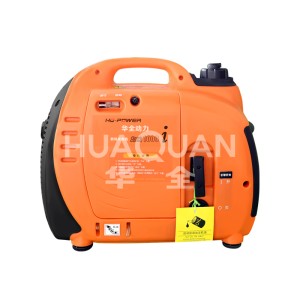
2. Инверторные бензиновые генераторы представляют собой более совершенную категорию, в которой используется цифровая инверторная технология, сначала преобразующая переменный ток (AC) в постоянный (DC), а затем обратно в переменный. Этот процесс обеспечивает чистую и стабильную энергию, подходящую для безопасной работы чувствительных электронных устройств, таких как ноутбуки, камеры и медицинское оборудование. Они также оснащены экономичным режимом, который автоматически регулирует скорость двигателя в зависимости от нагрузки, что значительно повышает топливную эффективность и снижает уровень шума. Хотя их первоначальная стоимость выше, а максимальная выходная мощность относительно ниже, они исключительно хорошо подходят для ситуаций, требующих бесшумной работы, таких как путешествия на автофургоне или активный отдых на природе, когда необходимо питание чувствительных электронных устройств.
3. Резервные бензиновые генераторы специально разработаны для стационарной установки и автоматически запускаются в течение нескольких секунд при отключении электроэнергии. Обладая более высокой мощностью от 5 до 20 кВт, они легко интегрируются в бытовые или небольшие коммерческие энергосистемы, обеспечивая непрерывное питание систем отопления, охлаждения, холодильного оборудования и критически важных устройств. Однако эта модель требует профессиональной установки и более тщательного обслуживания. Кроме того, бензин имеет более короткий срок хранения, что требует более частой заправки по сравнению с резервными генераторами, работающими на природном газе или пропане. Он особенно подходит для районов, подверженных частым отключениям электроэнергии, или для критически важных систем, где простои недопустимы.
4. Коммерческие бензиновые генераторы предназначены для интенсивной непрерывной эксплуатации, что делает их пригодными для промышленного или крупномасштабного коммерческого применения. Как правило, их мощность составляет от 5 кВт до 10 кВт (или выше), а при их конструкции приоритет отдается долговечности, чтобы выдерживать длительные нагрузки и частое использование. Эти агрегаты идеально подходят для крупных строительных площадок, коммерческих мероприятий и мелкосерийного промышленного производства. Несмотря на высокую надежность и достаточную мощность, они отличаются значительным весом, отсутствием мобильности и более высоким расходом топлива по сравнению с другими типами генераторов.
IV. Выбор бензиновых генераторов
При выборе бензинового генератора следует сделать рациональный выбор, основанный на фактических потребностях, чтобы избежать ситуаций недостаточной мощности или растраты ресурсов.
1. Определите потребности в мощности. Рассчитайте общее энергопотребление всех устройств, требующих одновременного питания, затем умножьте эту цифру на коэффициент пускового тока (обычно добавляя запас 20-50%). Это учитывает пусковую мощность оборудования с двигателем, такого как кондиционеры и воздушные компрессоры (пусковая мощность такого оборудования может достигать 3-6 раз номинальной рабочей мощности). Например, если суммарная мощность основных бытовых приборов составляет 2000 Вт, выберите генератор с минимальной номинальной мощностью 2600 Вт, чтобы обеспечить стабильную работу.
2. Учитывайте топливную эффективность и эксплуатационные расходы. По сравнению с дизельными генераторами бензиновые модели имеют более высокий расход топлива. Отдавайте предпочтение агрегатам с более низким расходом топлива, чтобы минимизировать долгосрочные эксплуатационные расходы.
3. Учитывайте уровень шума и мобильность. Для жилых или тихих помещений выбирайте модели с уровнем шума ниже 70 децибел. Для частого перемещения отдавайте предпочтение легким конструкциям на колесах.
4. Выбирайте продукцию известных брендов. Известные бренды предлагают более надежное качество продукции и комплексную послепродажную поддержку, включая гарантийные сроки и доступность запасных частей. Наконец, учитывайте дополнительные функции, такие как электрический запуск, защита от перегрузки и стабилизация напряжения, которые повышают удобство и безопасность.
V. Часто задаваемые вопросы о бензиновых генераторах
1. Какие основные меры безопасности необходимо соблюдать при использовании бензинового генератора?
Использование в помещении строго запрещено: эксплуатация должна осуществляться на открытом воздухе в хорошо проветриваемом месте, вдали от дверей, окон и вентиляционных отверстий, чтобы предотвратить отравление угарным газом.
Правильное подключение к электрической сети: используйте утвержденные удлинители для подключения электроприборов непосредственно к розеткам генератора. Ни в коем случае не подключайте генератор напрямую к бытовым розеткам.
Меры безопасности при обращении с топливом: заправляйте топливом только после остывания генератора. Храните топливо в специальных, надежных емкостях.
Герметичность и заземление: держите генератор в сухом месте и избегайте использования во время дождя или снега. Убедитесь, что генератор правильно заземлен в соответствии с инструкцией по эксплуатации.
2. Как проводить регулярное техническое обслуживание бензиновых генераторов, чтобы продлить их срок службы?
Замена моторного масла: замените после первых 50 часов работы, затем каждые 100 часов;
Воздушный фильтр: очищать или заменять каждые 20 часов;
Свечи зажигания: регулярно проверять и очищать; при сильном износе незамедлительно заменять;
Управление топливом: избегать длительного хранения неиспользованного бензина, чтобы предотвратить засорение форсунок;
Долгосрочное хранение: размещать в хорошо вентилируемом, сухом месте; накрывать пылезащитным чехлом для защиты от пыли и влаги.
3. Каковы распространенные неисправности бензиновых генераторов и как их можно легко устранить?
Не запускается: проверьте уровень бензина, состояние свечи зажигания, не забит ли воздушный фильтр и не поврежден ли предохранитель;
Двигатель работает неровно: проверьте, равномерно ли подается бензин, не загрязнена ли свеча зажигания нагаром и нормальный ли уровень масла;
Нет электрической мощности: проверьте, надежно ли генератор подключен к панели управления, не перегорел ли предохранитель и не неисправен ли генератор переменного тока.
VI. Сценарии применения бензиновых генераторов
Бензиновые генераторы находят широкое применение во многих секторах, в первую очередь в следующих областях:
1. Аварийное резервное энергоснабжение представляет собой наиболее традиционный сценарий применения бензиновых генераторов. Во время стихийных бедствий, вызывающих сбои в работе электросетей, плановых отключений электроэнергии или внезапных отключений, бензиновые генераторы могут быть быстро развернуты для обеспечения домохозяйств необходимой электроэнергией, включая освещение, работу холодильников и зарядку мобильных телефонов, тем самым поддерживая непрерывность повседневной жизни. Многие небольшие коммерческие предприятия, такие как магазины и рестораны, также полагаются на них в качестве аварийных источников питания.
2. В профессиональных секторах бензиновые генераторы служат основой энергоснабжения для работ на открытом воздухе. На строительных площадках, при проведении дорожно-ремонтных работ и в отдаленных местах разведки, где отсутствуют стационарные источники электроэнергии, бензиновые генераторы обеспечивают надежное энергоснабжение электроинструментов, осветительного оборудования и средств связи. Они также широко используются в сельском хозяйстве для орошения и уборки урожая.
3. В сфере досуга и развлечений портативные бесшумные бензиновые генераторы стали новым фаворитом среди любителей активного отдыха на природе с ростом популярности самостоятельных автомобильных туров и глэмпинга. Эти устройства питают кемпинговые фонари, кофемашины, проекторы и даже компактные кондиционеры, значительно улучшая впечатления от отдыха на природе. Мобильные фургоны с едой, лавки на ночных рынках и другие передвижные коммерческие предприятия также полагаются на этот гибкий источник питания.
4. В отдаленных районах и регионах развивающихся стран, где еще не создана внутренняя электросеть, бензиновые генераторы часто служат основным или дополнительным источником энергии, обеспечивая основные жизненные потребности и мелкомасштабную производственную деятельность. Таким образом, они становятся важным звеном, связывающим эти сообщества с современной цивилизацией.
Таким образом, бензиновые генераторы представляют собой универсальное и высоконадежное решение для обеспечения электроэнергией, эффективно устраняя разрыв между спросом и предложением электроэнергии в различных сценариях. Будь то чрезвычайные ситуации в быту, приключения на природе, работы на строительных площадках или резервное энергоснабжение для малых предприятий, они обеспечивают стабильную и удобную электроподдержку, гарантируя бесперебойное течение повседневной жизни и работы. Понимая принципы их работы, различия в типах и возможные сценарии применения, выбирая их научно обоснованно и строго следуя протоколам использования и обслуживания, мы можем максимально увеличить ценность бензиновых генераторов. Это позволяет этим компактным, но мощным устройствам служить нам более эффективно.
-J红色带水印-560x560.jpg)
水印-560x560.jpg)
单三相带水印-560x560.jpg)