XN(XN6E)-A-DTLS-300x300.jpg)
-300x300.jpg)
-300x300.jpg)
XN(XN4ES)-Z珊瑚红-300x300.png)

-300x300.jpg)
-300x300.jpg)



Осветительная установка: хранитель мобильного освещения
От традиционных маяков, направляющих суда вдоль побережья, до временных энергетических центров на современных строительных площадках, Осветительные установки неизменно служат мобильными источниками освещения в критических ситуациях в производстве и повседневной жизни человека. Это не просто осветительное оборудование, а комплексные энергетические решения, сочетающие в себе выработку электроэнергии, освещение и мобильное развертывание. Благодаря своим основным преимуществам — гибкой адаптируемости и неизменной надежности — эти генераторы стали незаменимым ключевым оборудованием в таких секторах, как строительство, реагирование на чрезвычайные ситуации и проведение крупномасштабных мероприятий.
I. Осветительная установка
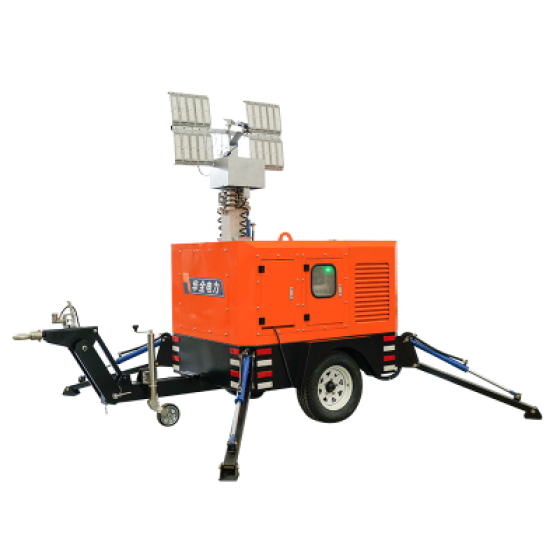
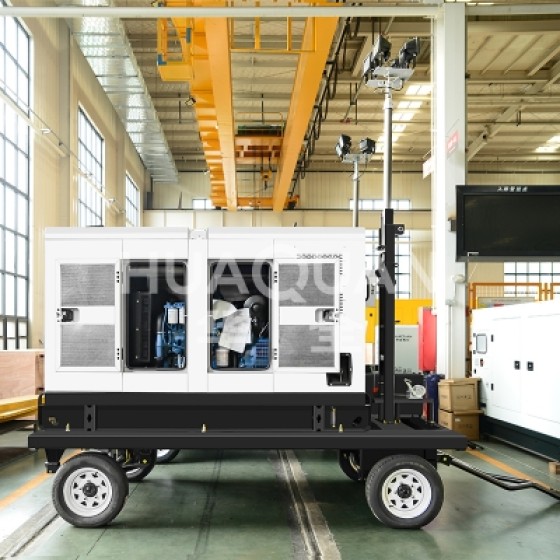
Осветительная установка служит интегрированным энергетическим решением, сочетающим в себе функции выработки электроэнергии, освещения и мобильного развертывания, и в первую очередь выполняет роль «мобильного источника света». Она выходит за рамки роли обычного осветительного прибора, преобразуя энергию различными способами, включая дизельное топливо и солнечную энергию, и обеспечивая стабильное освещение в условиях отсутствия стационарных источников питания. Некоторые модели высокой мощности могут также служить в качестве временных источников питания. Её адаптируемые, стабильные и надежные характеристики позволяют широко применять её на строительных площадках, в операциях по ликвидации чрезвычайных ситуаций и при проведении крупномасштабных мероприятий.
II. Huaquan: специализированный производитель осветительных установок
Huaquan, как специализированный производитель, занимающийся производством осветительных установок, на протяжении многих лет накопил обширный опыт в этой отрасли. Компания обладает комплексными сервисными возможностями, охватывающими всю цепочку создания стоимости, от исследований и разработок до производства и послепродажного обслуживания. Благодаря передовым технологическим возможностям в области НИОКР и комплексной системе тестирования, Осветительные установки компании включают в себя несколько типов, в том числе дизельные и солнечные. Эти установки обладают такими основными преимуществами, как интеллектуальное управление, экологическая устойчивость, энергоэффективность и стабильная надежность. Они точно адаптированы для различных применений, включая строительные работы, аварийно-спасательные операции и коммунальные услуги, предоставляя эффективные мобильные решения в области освещения и энергоснабжения пользователям по всему миру.
III. Основные принципы работы осветительных установок
Основная функция осветительных установок заключается в преобразовании энергии и ее эффективном использовании. В зависимости от источника энергии, они в основном используют два технических подхода: дизельные и солнечные технологии, каждая из которых подходит для определенных сценариев применения.
1. Дизельная осветительная установка
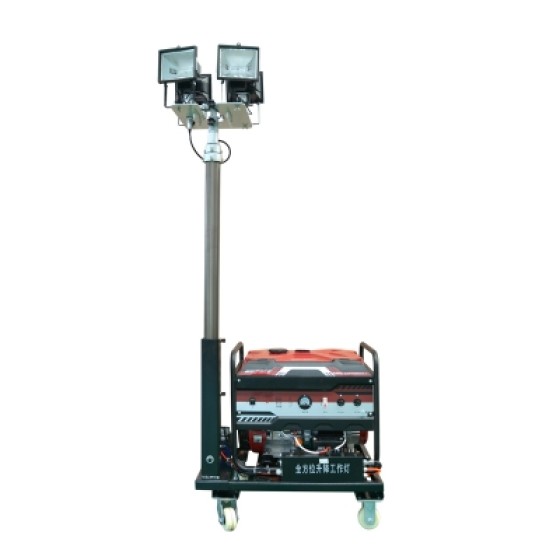
Это наиболее распространенная модель, используемая в настоящее время. Принцип ее работы основан на цепочке преобразования: химическая энергия → механическая энергия → электрическая энергия. Дизельный двигатель сжигает топливо для выработки механической энергии, которая приводит в действие генератор для производства электроэнергии. Эта электроэнергия напрямую питает светодиодную лампу на вершине маяка для освещения. Одновременно мощность двигателя может приводить в действие гидравлические или пневматические подъемные механизмы для регулировки высоты мачты и угла наклона лампы, обеспечивая точное соответствие освещения требованиям. Обычно эти устройства оснащены топливными баками большой емкости, что обеспечивает 8-12 часов непрерывной работы. Варианты с более высокой мощностью могут также служить временными источниками питания для электроинструментов и аналогичного оборудования, что обеспечивает их многофункциональность.
2. Фототермическая осветительная установка (башенная солнечная тепловая энергетическая система)
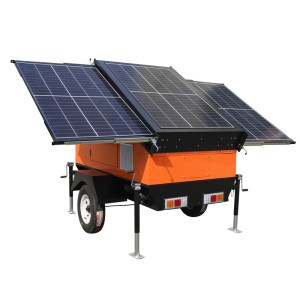
Фототермическая осветительная установка использует более экологичный путь получения энергии, следуя логике преобразования «световая энергия → тепловая энергия → электрическая энергия». Её ядро состоит из массива гелиостатов, поглотителя на вершине башни, тепловых накопителей и генератора: тысячи наземных гелиостатов, управляемых системой точного слежения, следуют за движением солнца, концентрируя солнечный свет на высокотемпературном поглотителе на вершине башни; Абсорбер преобразует солнечную энергию в высокотемпературную тепловую энергию, нагревая внутреннюю теплоносительную жидкость. Эта высокотемпературная жидкость может временно храниться в тепловом накопителе, что обеспечивает непрерывное круглосуточное энергоснабжение. Наконец, высокотемпературная жидкость проходит через теплообменник, где образуется высокотемпературный пар высокого давления. Этот пар приводит в движение паровую турбину, которая, в свою очередь, питает генератор для производства электроэнергии. Эта система не только удовлетворяет потребности в освещении, но и обеспечивает крупномасштабную выработку электроэнергии.
IV. Будущие тенденции в области осветительных установок
В соответствии с общими тенденциями развития «умных» городов и перехода на экологически чистую энергию, осветительные установки постоянно совершенствуются в направлении облегчения, интеллектуализации и использования новых источников энергии. С одной стороны, инновации в области технологий материалов позволят еще больше снизить вес оборудования, повысить её мобильность и обеспечить возможность установки в более сложных условиях местности. С другой стороны, будут постепенно совершенствоваться функции интеллектуального мониторинга и удаленного управления, что позволит в режиме реального времени отслеживать состояние оборудования, получать оповещения о неисправностях и осуществлять удаленное управление с помощью технологий Интернета вещей, что приведет к снижению затрат на техническое обслуживание.
Интеграция новых источников энергии станет основным направлением развития. Дизельные модели будут еще больше сокращать выбросы за счет оптимизации конструкции камеры сгорания, а гибридные модели (дизель + солнечная энергия) постепенно станут широко распространенными, обеспечивая эффективную взаимодополняемость источников энергии. Модели на солнечной энергии будут повышать эффективность преобразования энергии и расширять сферу применения за счет повышения точности слежения гелиостатов и оптимизации технологии теплового хранения. В будущем осветительные установки выйдут за рамки своей роли простых «мобильных источников света» и станут неотъемлемой частью распределенных энергетических сетей, обеспечивая надежную поддержку развития низкоуглеродного общества.
V. Часто задаваемые вопросы о осветительных установках
1. Какие ключевые факторы следует учитывать при выборе осветительных установок?
Тип энергии: дизельные модели подходят для автономных полевых условий, а варианты на солнечной энергии отвечают долгосрочным экологическим требованиям.
Площадь освещения и выходная мощность: соответствие размерам рабочей зоны.
Рабочая выносливость: емкость топливного бака/тепловая емкость.
Степень защиты и мобильность: защита IP65 для суровых условий эксплуатации; легкая конструкция для сложных рельефов.
2. Какие меры предосторожности следует соблюдать при использовании осветительных установок?
Регулярно проверяйте уровень топлива и состояние двигателя дизельных моделей, чтобы предотвратить остановку из-за исчерпания топлива.
Устанавливайте генератор вдали от легковоспламеняющихся или взрывоопасных материалов, обеспечив достаточную вентиляцию.
Убедитесь, что степень защиты подходит для использования на открытом воздухе (например, в условиях повышенной влажности требуется IP65 или выше).
Проводите периодическое техническое обслуживание светового блока, подъемного механизма и систем управления для обеспечения стабильной работы.
3. Что составляет основу современных систем осветительных установок?
Интеллектуальное управление: автоматический мониторинг нагрузки, запуск агрегатов, переключение источников питания и управление зарядкой аккумуляторов, а также удаленная передача эксплуатационных данных и сигналов о неисправностях через спутниковые или сотовые сети.
Адаптация к окружающей среде: оснащены контейнерными звукоизолированными корпусами, устойчивыми к коррозии и плесени в морских условиях, с двигателями, способными работать на наклонных поверхностях. Разработаны для ограниченных пространств и суровых климатических условий.
Управление энергоэффективностью: дополняет солнечную и ветровую энергию, оптимизирует эксплуатационные стратегии для минимизации потребления топлива и потребностей в пополнении запасов.
VI. Области применения осветительных установок
Гибкие возможности развертывания и стабильные характеристики энергоснабжения осветительных установок позволяют применять их в различных секторах, включая инжиниринг, аварийное реагирование, промышленность и культурные/спортивные мероприятия. Они служат «хранителями света», обеспечивая безопасность производства и бесперебойное выполнение работ.
1. Строительство и промышленность
Осветительные установки являются основой ночных работ. В таких сценариях, как строительство дорог и мостов, добыча полезных ископаемых и обслуживание железных дорог, они могут быть быстро развернуты на удаленных рабочих площадках без фиксированных источников питания. Обеспечивая обширное освещение высокой интенсивности, они гарантируют хорошую видимость для строительного персонала, обеспечивая безопасность и прогресс работ. Одновременно с этим модели высокой мощности служат временными источниками питания для аварийно-ремонтных инструментов и контрольного оборудования, значительно повышая эффективность ремонта.
2. В области реагирования на чрезвычайные ситуации
Осветительные установки служат авангардом восстановительных работ после стихийных бедствий. После стихийных бедствий, таких как землетрясения и наводнения, городские энергосистемы часто повреждаются и выходят из строя. В таких случаях Осветительные установки могут быть быстро развернуты на местах бедствий, обеспечивая аварийное освещение и временное электроснабжение. Это обеспечивает критически важную поддержку для спасательных операций, оказания медицинской помощи пострадавшим и функционирования временных убежищ. Их степень защиты IP65 от дождя и пыли в сочетании с конструкцией, способной выдерживать суровые условия окружающей среды, обеспечивает стабильную работу в экстремальных условиях.
3. В культурном, спортивном и муниципальном секторах
Осветительные установки также играют важную роль. На крупных концертах и спортивных мероприятиях под открытым небом их можно гибко размещать вокруг площадок, чтобы обеспечить равномерное освещение сцены и временное электроснабжение. Во время ночных муниципальных работ, таких как ремонт дорог и уход за зелеными насаждениями, их бесшумная работа (68-76 децибел) сводит к минимуму неудобства для жителей близлежащих домов, а точное освещение обеспечивает качество работы.
От источников энергии традиционных прибрежных маяков до разнообразных применений в современном обществе, эволюция осветительных установок всегда соответствовала потребностям человечества в освещении и надежном энергоснабжении. Благодаря технологическим инновациям, этот «хранитель света» будет и впредь сопровождать человечество в каждый важный момент исследования и развития, принимая все более эффективные, экологичные и интеллектуальные формы.
XN(XN164D)-TJ-DTJSSJD白色-560x560.jpg)