XN(XN6E)-A-DTLS-300x300.jpg)
-300x300.jpg)
-300x300.jpg)
XN(XN4ES)-Z珊瑚红-300x300.png)
-300x300.jpg)
-300x300.jpg)
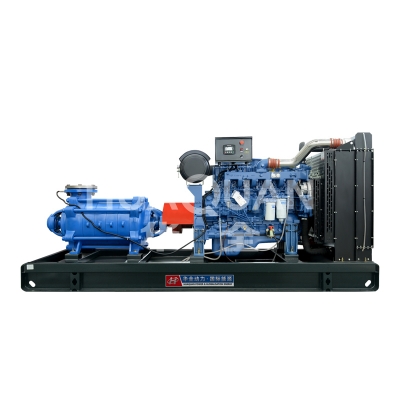
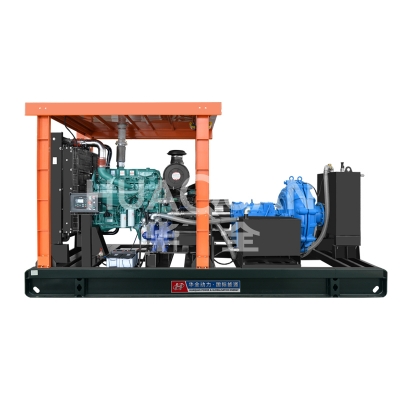


Руководство по выбору передвижных дизель-генераторных установок
Передвижные дизель-генераторные установки, известные своей гибкостью в использовании и стабильным энергоснабжением, находят широкое применение в строительстве инфраструктуры, операциях по ликвидации чрезвычайных ситуаций, работах на открытом воздухе, а также в качестве резервных источников питания для центров обработки данных. При выборе такого оборудования необходимо учитывать соответствие мощности, экономическую целесообразность, адаптируемость к окружающей среде и соответствие нормативным требованиям. Такой подход позволяет избежать проблем, возникающих в результате неверного выбора, таких как холостой ход оборудования, чрезмерно высокие эксплуатационные расходы или частые сбои в работе.
I. Передвижные дизель-генераторные установки
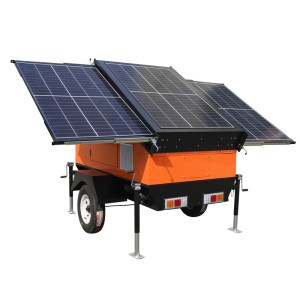
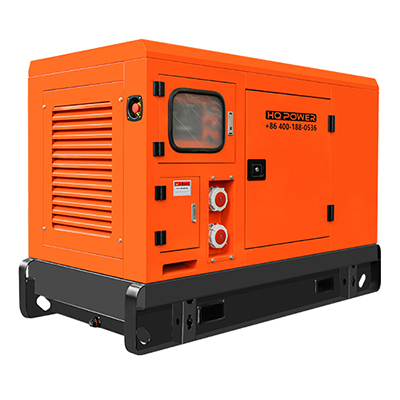
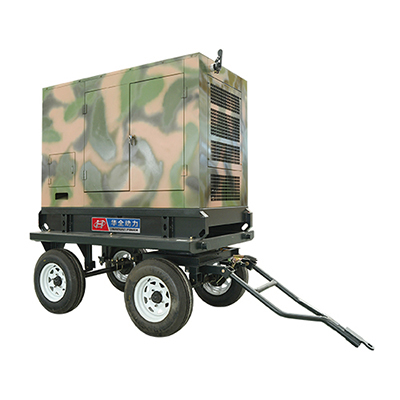
Передвижные дизель-генераторные установки представляют собой автономные энергоблоки со встроенным мобильным шасси, работающие на дизельном топливе. Их основная функция заключается в преобразовании химической энергии дизельного топлива в электрическую энергию. Они разработаны для удобства транспортировки и развертывания с целью обеспечения электроэнергией удаленных от электросети мест или мест, где вышли из строя стационарные источники питания. Мобильные дизельные генераторы пользуются большой популярностью благодаря своей исключительной мобильности, гибкости и высокой экономической эффективности.
II. Huaquan: специализированный производитель передвижных дизель-генераторных установок
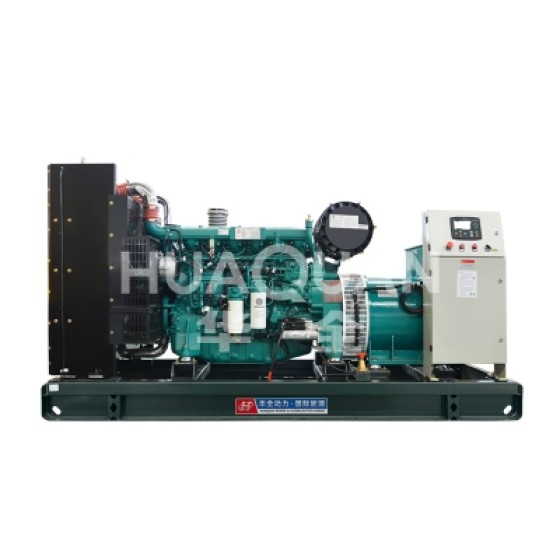
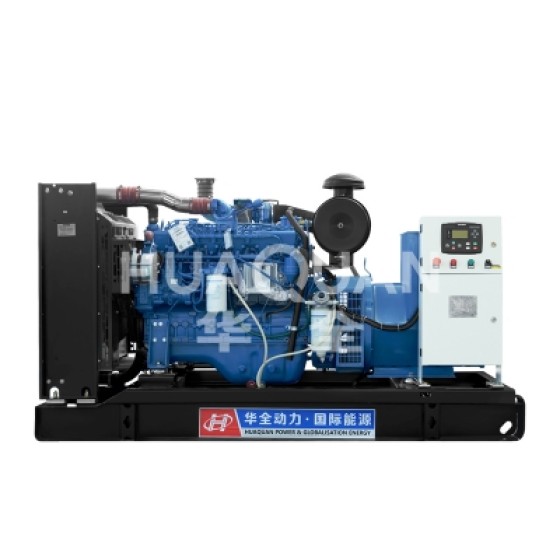
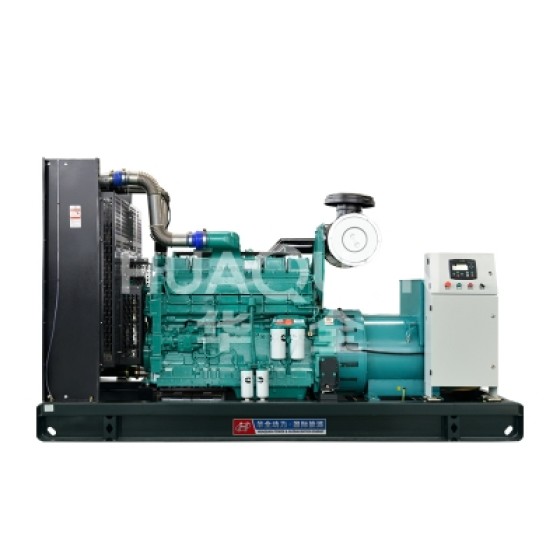
Как специализированный производитель передвижных дизель-генераторных установок, компания Huaquan стремится предоставлять клиентам по всему миру комплексные услуги, включая проектирование энергетических решений, производство оборудования и послепродажную поддержку. Huquan не только постоянно оптимизирует надежность продукции, топливную эффективность и стандарты соответствия экологическим требованиям, но и уделяет особое внимание практичности и безопасности своих мобильных конструкций. Установки на прицепах обычно оснащены тормозными системами, соответствующими дорожным нормам, погодоустойчивыми кожухами и удобными для обслуживания компоновками, что обеспечивает безопасную и удобную перемещение оборудования и его быстрое введение в эксплуатацию.
III. Основные факторы, которые нужно учитывать при выборе передвижных дизель-генераторных установок
1. Определите основные требования
Расчет мощности: это самый важный шаг. Сложите номинальную мощность всего оборудования и добавьте 2–3 раза больше мощности запуска для нагрузок двигателя. Разграничьте непрерывную мощность (для длительной работы) и резервную мощность (только для кратковременной работы), чтобы избежать неверных представлений.
Сценарий использования: предназначено ли оборудование для аварийного резервного питания (например, больницы, центры обработки данных) или для основного питания (например, удаленные строительные площадки)? От этого зависят требования к надежности и долговечности.
Продолжительность эксплуатации: для кратковременных аварийных ситуаций (<8 часов в день) достаточно стандартных моделей. Для длительной непрерывной работы необходимы агрегаты промышленного класса, при этом особое внимание следует уделять системам охлаждения и смазки.
2. Основные технологии и параметры
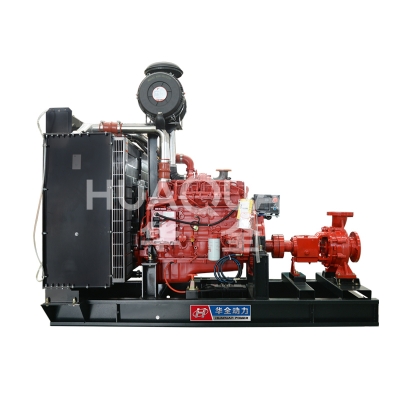
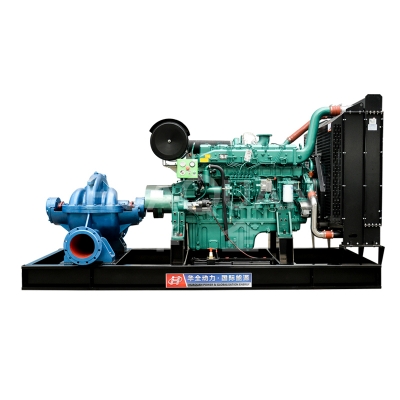
Двигатель и генератор: Марка двигателя имеет первостепенное значение. Известные бренды, как правило, предлагают превосходную топливную экономичность и надежность. Что касается типов генераторов, бесщеточные генераторы требуют меньшего обслуживания и обеспечивают более высокую надежность, чем щеточные альтернативы.
Система управления: интеллектуальные системы управления (такие как автоматический запуск-остановка, удаленный мониторинг и защита от неисправностей) значительно повышают удобство и безопасность эксплуатации.
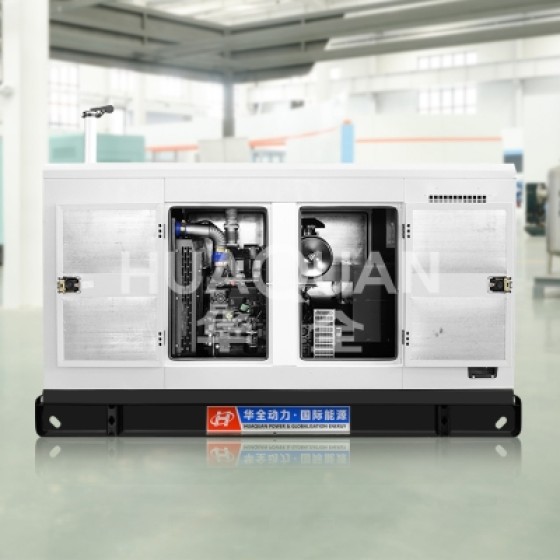
Соответствие экологическим нормам и уровень шума: убедитесь, что устройство соответствует местным нормам по выбросам. Для таких мест, как кемпинги или жилые районы, выбирайте бесшумные модели. В них используются звукоизолирующие кожухи и глушители, чтобы поддерживать низкий уровень шума.
3. Выбор брендов и оценка затрат
Выбор бренда: Международные премиальные бренды лидируют по долговечности в экстремальных условиях и интеллектуальным системам управления; основные отечественные бренды предлагают высокое соотношение цены и качества с разветвленной сетью послепродажного обслуживания. Убедитесь, что вы полностью осведомлены о конкретных брендах и моделях трех основных компонентов: двигателя, генератора и контроллера.
Оценка затрат: помимо покупной цены, оцените долгосрочные эксплуатационные затраты, включая расходы на топливо, регулярное техническое обслуживание (замена масла и фильтров), а также потенциальные будущие капитальные ремонты и запасные части. Не попадайтесь на уловки низких цен, так как чрезмерно низкие предложения могут означать, что основные компоненты были заменены или устройство было отремонтировано.
Оценка затрат: помимо покупной цены, тщательно оцените долгосрочные эксплуатационные расходы, включая расход топлива, расходы на регулярное техническое обслуживание (замена масла и фильтров), а также потенциальные будущие капитальные ремонты и запасные части. Не попадайтесь на уловку низких цен, так как чрезмерно низкие предложения могут означать, что основные компоненты были заменены или устройство было отремонтировано.
4. Подписание контракта и долгосрочное техническое обслуживание
Уточните детали контракта: подробно укажите в контракте модель генераторной установки, номинальную мощность, марку и модель всех аксессуаров, гарантийный срок и условия послепродажного обслуживания.
График технического обслуживания: соблюдайте инструкции производителя по регулярному техническому обслуживанию и ведите журнал технического обслуживания. При длительном хранении двигатели и аккумуляторы требуют стандартных процедур обращения.
IV. Ключевые факторы, которые нужно учитывать при выборе передвижных установок
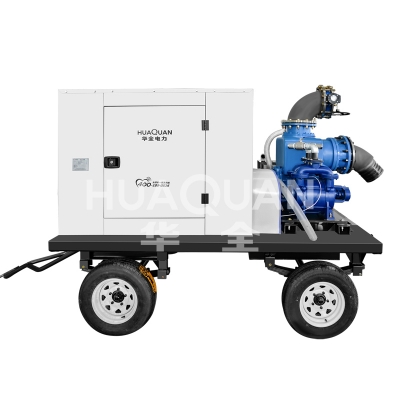
Мобильность: Самая распространенная конфигурация — это установка на прицепе с подвижным крюком и управляемым шасси. Более дорогие варианты включают самозагружающиеся или автомобильные системы с улучшенной маневренностью, которые часто используются в автомобилях аварийного энергоснабжения.
Конструкция и безопасность: Надежная тормозная система, прочная опора и шины, подходящие для местности, имеют первостепенное значение.
Практичность: Убедитесь, что есть чехлы от дождя, ящики для инструментов и быстросъемные панели доступа, облегчающие техническое обслуживание.
V. Часто задаваемые вопросы о передвижных дизель-генераторных установках
1. Что входит в плановое техническое обслуживание?
Соблюдайте цикл проверок «ежедневно, еженедельно, ежемесячно, ежегодно»:
Ежедневно: проверяйте уровень моторного масла и охлаждающей жидкости; проверяйте на наличие утечек.
Еженедельно: проверьте заряд аккумулятора и очистите грубый фильтр воздушного фильтра.
Ежемесячно: проведите пробный запуск под нагрузкой в течение определенного времени и проверьте все параметры.
Каждые 250-500 часов работы или в соответствии с руководством: замените моторное масло и масляный фильтр, дизельный фильтр и воздушный фильтр. Перед длительным хранением выполните консервационное техническое обслуживание, включая замену масла, добавление стабилизатора топлива и отсоединение аккумулятора.
2. Какие факторы следует учитывать при выборе генераторных установок для высокогорных/высокотемпературных условий?
Высокогорные условия: мощность снижается на 3–5 % с каждыми 300 метрами высоты. Предусмотрите дополнительный запас мощности и отдайте предпочтение моделям, специально адаптированным для условий плато.
Высокая температура (>40 °C): предусмотрите запас мощности 10–15 %. Проверьте рассеивательную способность системы охлаждения, чтобы предотвратить отключение агрегата из-за перегрева.
3. Как выбрать между международными и отечественными брендами?
Международные бренды: предлагают стабильное качество и высокую адаптивность к окружающей среде, подходят для критически важных/требовательных сценариев, таких как больницы, центры обработки данных и горнодобывающие предприятия. Недостатки включают более высокие затраты на закупку и обслуживание.
Отечественные бренды: обеспечивают высокую рентабельность и обширную сеть местных сервисных центров, идеально подходят для небольших и средних потребностей в электроэнергии и обычных применений, где важна стоимость (например, стандартные строительные площадки, аварийное резервное питание).
4. Каковы наиболее важные правила безопасности при эксплуатации?
Вентиляция имеет первостепенное значение: эксплуатация должна осуществляться на открытом воздухе или в исключительно хорошо вентилируемых открытых помещениях. Никогда не запускайте генератор в закрытых помещениях, чтобы предотвратить отравление угарным газом.
Надлежащее заземление: убедитесь, что генератор надежно заземлен, чтобы предотвратить поражение электрическим током.
Соответствие нагрузки: никогда не эксплуатируйте генератор с нагрузкой, превышающей номинальную мощность. При подключении оборудования сначала запускайте устройства с наибольшей мощностью.
Безопасность топлива: перед дозаправкой всегда выключайте генератор и дайте ему остыть. Держитесь подальше от открытого огня.
VI. Сценарии применения передвижных дизель-генераторных установок
1. Строительные проекты и объекты: обеспечение основного питания для строительного оборудования, освещения и временных сооружений в отдаленных местах или вновь застроенных районах.
2. Аварийное резервное питание: использование в качестве резервного источника питания для больниц, центров обработки данных, заводов и коммерческих зданий во время отключений электроэнергии, обеспечивая работу критически важных нагрузок.
3. Работы и мероприятия на открытом воздухе: обеспечение энергией геологоразведочных работ в отдаленных районах, базовых станций связи, кино- и телепроизводства, музыкальных фестивалей на открытом воздухе и подобных мероприятий.
4. Сельское хозяйство и сельские районы: поддержка сельскохозяйственных работ, таких как орошение, уборка урожая и животноводство, или использование в качестве дополнительного источника питания в регионах с нестабильным электроснабжением.
Таким образом, при выборе передвижной дизель-генераторной установки необходимо определить приоритетные требования, основывать решения на технических характеристиках и доверять известным брендам. Учитывая предполагаемое применение, бюджетные ограничения и нормативные требования, можно выбрать наиболее подходящую модель.