XN(XN6E)-A-DTLS-300x300.jpg)
-300x300.jpg)
-300x300.jpg)
XN(XN4ES)-Z珊瑚红-300x300.png)
-300x300.jpg)
-300x300.jpg)
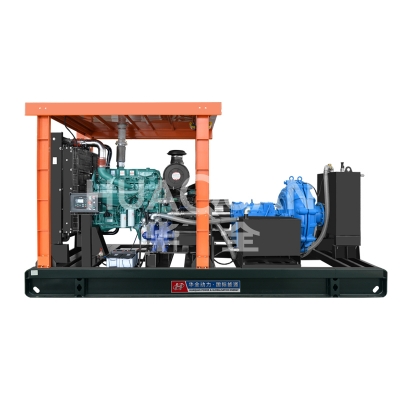


Why choose telecom generators?
In the digital age, every call, every message, and every data transmission relies on seamlessly operating telecommunications networks, with power supply stability as the core prerequisite for all of this. Telecom generators—specialized power systems engineered for the unique demands of telecommunications infrastructure—serve as unsung heroes, maintaining global connectivity even during grid outages or fluctuations. These bespoke devices are far from ordinary generators; they are precision-engineered solutions dedicated to safeguarding the critical infrastructure underpinning modern digital life.
I. Telecom Generators
Telecom generators constitute a specialized power supply system designed to provide backup or primary power for telecommunications facilities, including cellular base stations, communication towers, data centers, mobile switching centers, and fiber optic networks. Unlike general-purpose generators emphasizing versatility, telecom generators are optimized for the specific requirements of telecommunications equipment (such as antennas, switches, routers, and servers). They deliver stable, continuous power supply to precision electronic devices that have zero tolerance for voltage surges, frequency drops, or sudden power outages.
II. Huaquan: Professional Telecom Generator Manufacturer
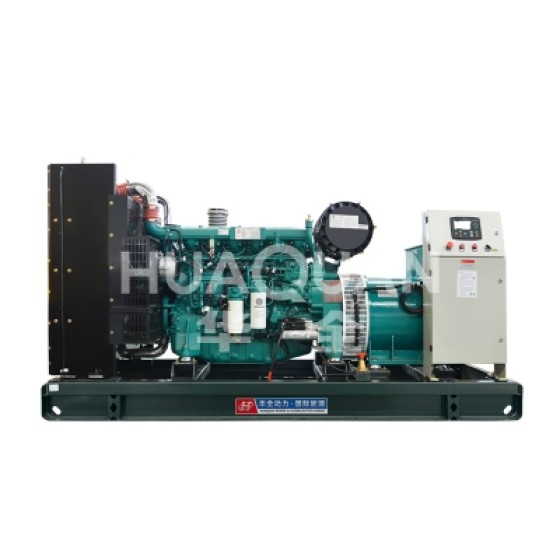
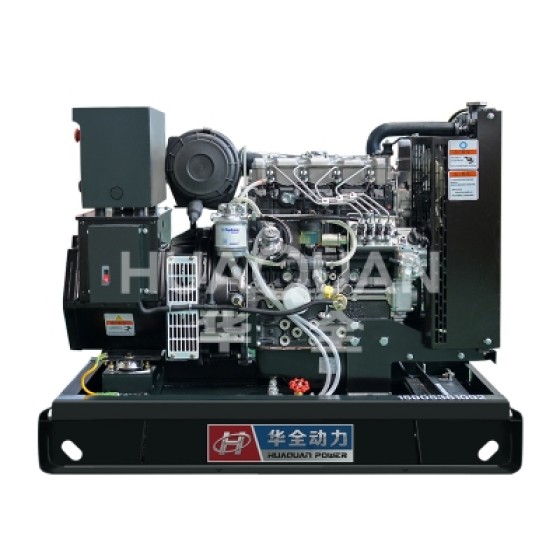
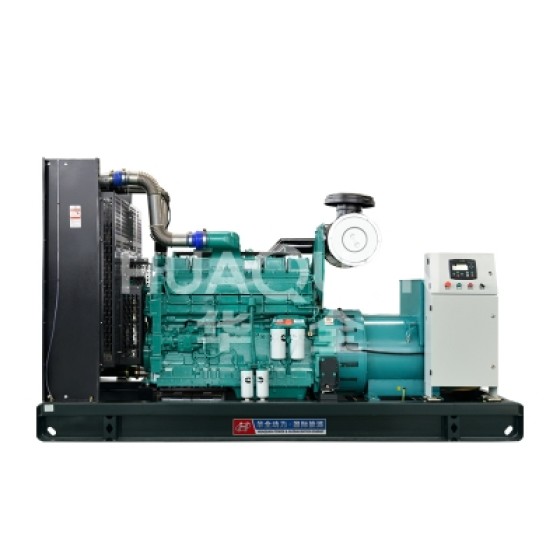
As a specialized telecom generator manufacturer, Huaquan has dedicated years to the telecom power supply sector, integrating R&D, production, sales, and after-sales support. dedicated to creating specialized generator equipment tailored for diverse telecom scenarios. Whether it's low-power units required for small cellular base stations or high-power supply systems relied upon by large data centers, Huaquan meets the telecom industry's stringent power supply requirements through its sophisticated manufacturing processes, customized product designs, and stable operational performance. This provides robust support for the continuous and uninterrupted operation of telecom networks.
III. Core Features of Telecom Generators
Telecom generators are the ideal choice for meeting the demanding requirements of telecommunications infrastructure, thanks to a suite of specialized features. These characteristics are specifically engineered to address the unique challenges of telecom sites, from extreme environmental conditions to the need for 24/7 unattended operation.
1. Automatic Start-Up and Seamless Power Transfer
One of the most critical features of telecom generators is their ability to automatically start within seconds after a grid outage. This seamless transition ensures zero downtime for telecom equipment as the generator instantly takes over power supply duties. When grid power is restored, the generator smoothly shuts down, reducing fuel consumption and enhancing operational efficiency.
2. Strong Environmental Adaptability
Telecom sites are often located in harsh or remote environments—from dense urban rooftops to desert plains, mountainous regions, and coastal areas. Telecom generators are specially engineered to withstand these extreme conditions, featuring rugged enclosures and extreme weather protection that effectively shield against dust, moisture, and salt spray corrosion. For urban sites, low-noise designs are also common, meeting noise control standards while ensuring operational performance.
3. Fuel Efficiency and Extended Runtime
Many telecom sites—particularly remote ones—require generators to operate continuously for hours or even days without refueling. Telecom generators optimize fuel efficiency through advanced engine designs, delivering stable power over extended periods while minimizing consumption. Certain models feature large built-in fuel tanks for prolonged operation, reducing maintenance inspection frequency.
4. Intelligent Monitoring and Remote Management
Modern telecom generators increasingly integrate IoT smart technologies, supporting remote monitoring and predictive maintenance. Operators can monitor critical metrics—such as fuel levels, engine temperatures, and operational status—in real time anytime, anywhere via mobile devices or computers. This functionality minimizes downtime, reduces maintenance costs, and ensures generators remain in optimal operating condition when needed.
5. Diverse Power Ratings and Configurations
Telecom generators offer a wide range of power ratings to suit various telecom site types: from units under 25 kVA for small cellular base stations to multi-megawatt solutions for large data centers. Fuel flexibility includes diesel, natural gas, and hybrid power systems combining renewable energy sources like solar and wind with conventional fuels.
IV. Development Trends in Telecom Generators
1. Hybrid Power Systems: Manufacturers are increasingly integrating telecom generators with renewable energy sources (solar, wind) and energy storage batteries to reduce carbon emissions, lower fuel costs, and enhance sustainability.
2. Low-Emission and High-Efficiency Fuel Models: Stringent environmental regulations in mature markets like North America and Europe are driving the development of low-emission generators, including hydrogen fuel models and diesel generators compliant with Tier 4 Final/EU Stage V standards.
3. Smart and IoT-Enabled Generators: Remote monitoring, predictive maintenance, and intelligent control systems are becoming standard features, helping operators optimize performance and minimize downtime.
4. Regional Growth Focus: The Asia-Pacific region dominates the global market, primarily driven by large-scale telecom infrastructure development and rural electrification initiatives. North America and Europe concentrate on upgrading existing equipment to meet emissions standards. Latin America, the Middle East, and Africa exhibit steady growth due to remote network expansion.
V. FAQs on Telecom Generators
1. What key metrics should be considered during selection?
Rated Power and Redundancy: Allow for a margin, typically selecting 1.25–1.5 times the actual load.
Switchover Time: Must meet service interruption tolerance requirements (e.g., <10 seconds for core data centers).
Brand and Certifications: Verify compliance with industry standard certifications.
Manufacturer Service Network: Assess capability to provide rapid localized maintenance and technical support.
Total Cost of Ownership: Evaluate purchase cost, fuel efficiency, maintenance expenses, and residual value holistically.
2. What should be noted for daily operations and maintenance?
Regular Testing: Even when the grid is functioning normally, conduct monthly load tests to ensure equipment readiness at all times.
Fuel Management: Ensure fuel quality by adding stabilizers and periodically circulating the fuel tank to prevent degradation.
Monitoring System: Leverage remote monitoring to track critical parameters like voltage, frequency, oil pressure, and water temperature in real time.
Preventive Maintenance: Strictly follow the manufacturer's maintenance manual for regular replacement of filters, engine oil, and coolant.
3. What special requirements must telecom generators meet for sites in remote areas?
Long endurance capability, equipped with large-capacity fuel tanks to support continuous operation for days or even weeks, reducing refueling frequency;
Strong environmental adaptability to withstand extreme conditions like high temperatures, severe cold, dust storms, and humidity;
Low maintenance requirements with extended service intervals to reduce on-site inspection costs;
Anti-theft design incorporating security bolts, locks, and other devices to prevent equipment or fuel theft;
Compatibility with hybrid power systems integrating renewable energy sources like solar power to lower operational costs.
VI. Application Scenarios for Telecom Generators
1. Cellular Base Stations and Communication Towers (including urban macro base stations and remote micro base stations). This is the primary application scenario, ensuring stable mobile signal transmission and data exchange while addressing power supply challenges such as insufficient grid coverage in remote areas and grid fluctuations in urban areas.
2. Telecom Data Centers: Serving as core backup power sources, they supply electricity to precision electronic equipment such as servers, switches, and storage devices, preventing data loss and service interruptions.
3. Mobile Switching Centers: Supporting communication signal switching, voice, and data processing within regions, they ensure uninterrupted calls, text messaging, and network connectivity.
4. Fiber optic network nodes and optical cross-connect cabinets ensure uninterrupted fiber optic communication links, compatible with fiber infrastructure across backbone networks, metropolitan area networks, and access networks.
5. Emergency communication scenarios—including natural disasters (heavy rain, typhoons, earthquakes, etc.), power line failures, and peak-load power restrictions—require rapid activation of emergency power supply equipment. This ensures uninterrupted emergency command and public communication, making it critical infrastructure for emergency communication support.
As the world becomes increasingly interconnected, the role of telecom generators will grow ever more critical. The ongoing deployment of 5G networks, the expansion of the Internet of Things, and efforts to extend digital inclusion to underserved areas will continue to drive demand for reliable, efficient, and sustainable power solutions. Telecom generators will evolve to integrate more deeply with smart grids, renewable energy systems, and digital monitoring tools, remaining the cornerstone of uninterrupted communication in the digital age.