XN(XN6E)-A-DTLS-300x300.jpg)
-300x300.jpg)
-300x300.jpg)
XN(XN4ES)-Z珊瑚红-300x300.png)
-300x300.jpg)
-300x300.jpg)


Emergency Generator: The Last Line of Defense for Power Safety
In modern society's heavy reliance on electricity, power grid outages can escalate from mere inconveniences to significant economic losses or even threats to life safety. Emergency generators, as critical equipment capable of rapid startup and sustained power supply during main power failures, serve as invisible guardians silently safeguarding electrical security across industrial production, commercial operations, public services, and other sectors. From life-support systems in hospital operating rooms to server clusters in data centers, from mining machinery in remote mines to rescue facilities at disaster sites, emergency generators are ubiquitous, serving as the “power lifeline” that ensures society's normal functioning.
I. Emergency Generator
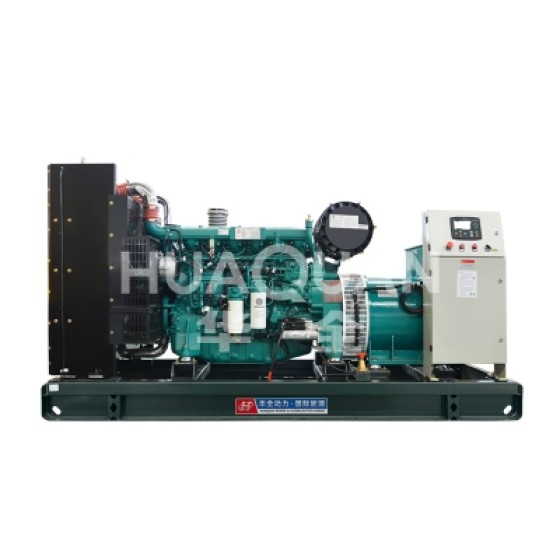
An emergency generator is a critical backup power supply that rapidly activates and sustains electricity output during primary power failures. It safeguards critical equipment in industrial production, public services, emergency response, and other scenarios, ensuring uninterrupted power security. Its core characteristics are “emergency readiness” and “standby capability.” Normally in standby mode, it shuts down immediately upon primary power restoration, prioritizing high reliability and rapid response during unexpected power disruptions.
II. Huaquan: Professional Emergency Generator Manufacturer
As an industry-leading provider of emergency power solutions, Huaquan remains committed to designing, manufacturing, and delivering highly reliable, comprehensive power protection systems. From high-reliability diesel generator sets for medical facilities, data centers, and communication hubs to integrated backup power systems tailored for commercial buildings, industrial facilities, and municipal projects, Huaquan's extensive product line offers full-cycle services—from consulting and design to installation, commissioning, and long-term maintenance—tailored to each client's specific application. With masterful craftsmanship, rigorous testing, and continuous technological innovation at its core, Huaquan ensures every unit delivers exceptional start-up success rates, stable output performance, and optimized fuel efficiency. Choosing Huaquan means selecting not just a generator, but a trusted commitment to emergency power assurance—where expertise safeguards critical business continuity, providing solid, silent support for modern society's seamless operation.
III. Classification of Emergency Generators
Emergency generators can be categorized based on multiple dimensions. By considering core indicators such as application, rotational speed, and power source, a clear classification system can be established.
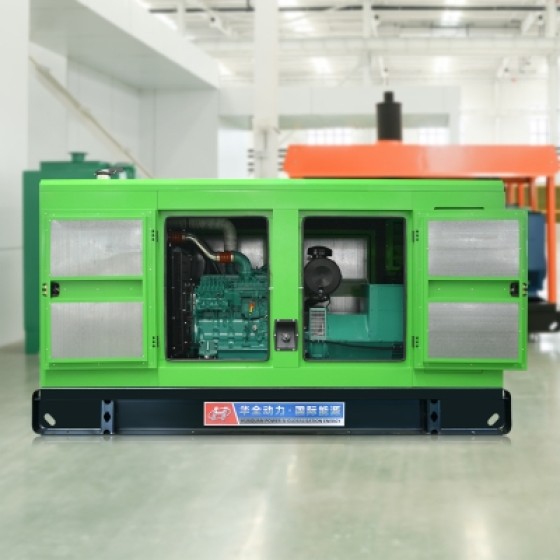
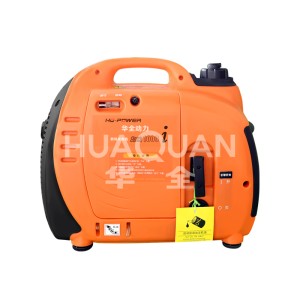
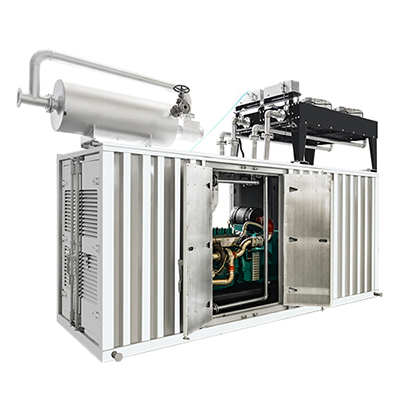
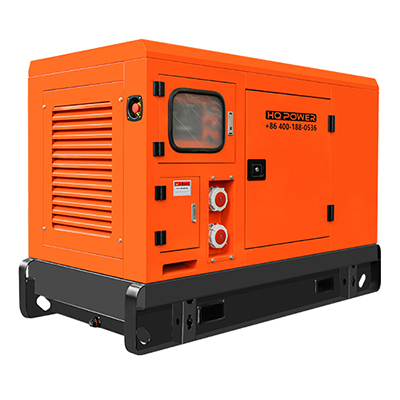
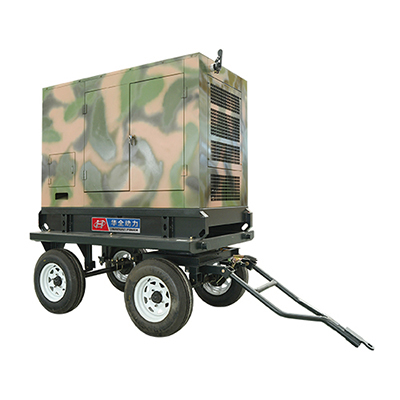
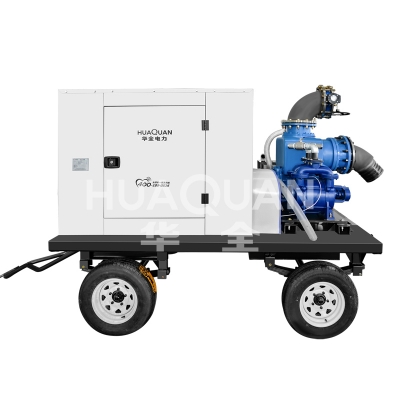
1. By Application: Primarily includes stationary emergency generator sets, mobile emergency generator sets (e.g., emergency power vehicles), and marine emergency generator sets.
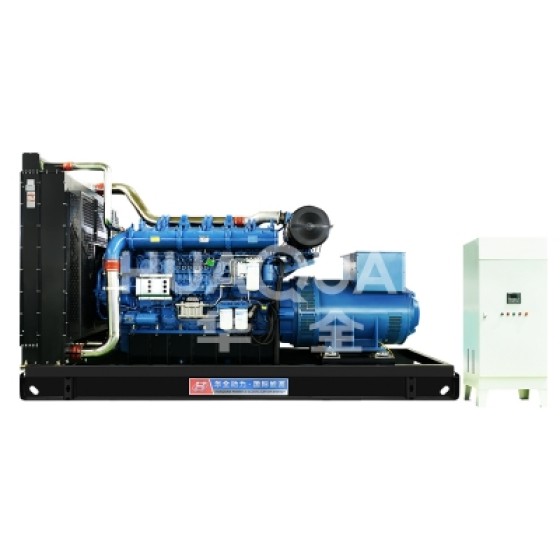
2. By rotational speed: High-speed units (over 1200 r/min) and medium-speed units (720-750 r/min). Medium-speed units, offering greater stability, are predominantly used in power plant peak shaving and nuclear power stations where extreme reliability is paramount.
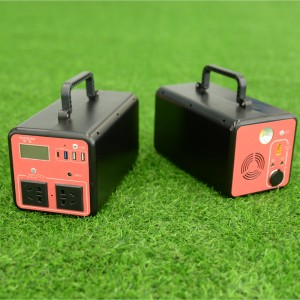
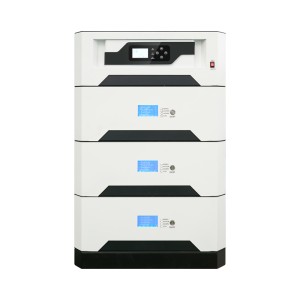
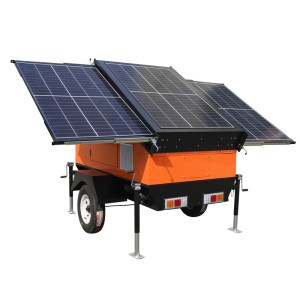
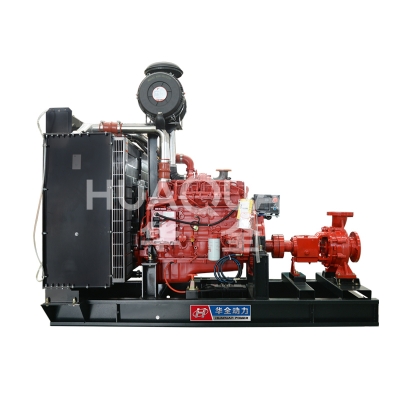
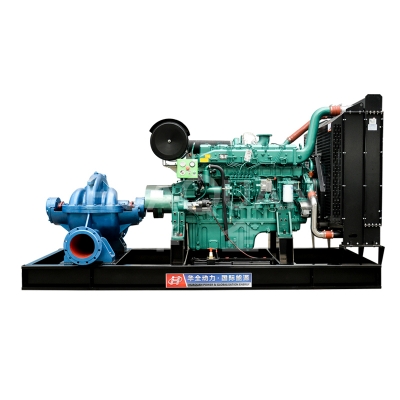
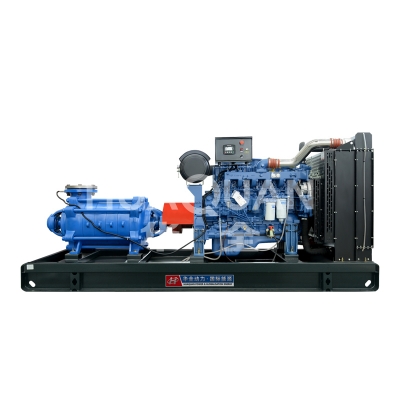
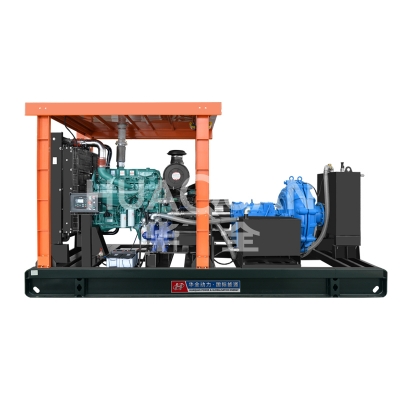
3. Based on power source, generators can be categorized into diesel generators, gas generators, and solar + energy storage systems. Diesel generators have become the mainstream choice for emergency power due to their rapid startup, wide power range, and strong adaptability, making them widely used across various emergency scenarios. In contrast, while gas generators offer lower fuel costs and better environmental performance, their slower startup makes them more suitable for areas with stable gas supply. Solar power + energy storage systems, though emission-free, rely on natural sunlight and storage capacity, making them less capable of meeting the immediate power demands of sudden emergencies.
IV. Future Trends in Emergency Generators
With the advancement of the “dual carbon” strategy and upgrades in information technology, the emergency generator industry is rapidly evolving toward intelligent, low-carbon, and modular solutions.
1. Intelligence
By integrating IoT, big data, and AI technologies, emergency generators now enable remote monitoring, fault early warning, and automated operation and maintenance: personnel can track unit status in real time via terminals, while systems proactively predict potential failures like filter clogging or battery depletion and issue alerts. Some intelligent units feature automatic start-up and dynamic load adjustment capabilities, precisely matching output power to demand to reduce energy consumption.
2. Low-Carbonization
On one hand, traditional diesel generators reduce pollutant emissions through exhaust aftertreatment technologies. On the other hand, the integration of new energy technologies with emergency generators accelerates. Off-grid hybrid power systems combining solar, wind, and diesel generators supplement power generation when wind and solar resources are insufficient, achieving a balance between environmental protection and reliability.
3. Modularization
Modular design significantly enhances equipment flexibility and adaptability. Modular emergency generator sets can be rapidly configured and deployed according to power demands, precisely matching requirements from small-scale community emergencies to large-scale industrial power supply. Their ease of transportation, installation, and maintenance makes them the mainstream design solution for mobile equipment like emergency power vehicles.
V. FAQs on Emergency Generators
1. What is an Automatic Transfer Switch (ATS)? Why is it important?
The ATS serves as the “brain” of the entire system. It continuously monitors utility power quality. Upon detecting a utility power failure, it immediately issues a start command to the generator. Once the generator's voltage and frequency stabilize, it automatically switches the load from the utility side to the generator side. When utility power is restored, it automatically switches back and shuts down the generator. This process ensures minimal power interruption for critical loads (typically lasting from a few seconds to tens of seconds).
2. What should be considered when installing an emergency generator?
Location: Must be well-ventilated for heat dissipation and air intake; keep away from crowded areas and building air intakes (to prevent exhaust fumes from entering); consider flood protection height.
Foundation: Requires a solid concrete foundation for vibration dampening.
Exhaust and Noise: Exhaust ducts must be professionally installed and vented to a safe outdoor location; soundproof enclosures or silencers are required in noise-sensitive areas.
Fuel Storage: Diesel tanks must comply with fire safety regulations, and refueling routes should be planned.
Electrical Connections: Installation must be performed by a licensed electrician to ensure safe switching between generator and utility power.
3. What is the expected lifespan of an emergency generator?
Under strict adherence to maintenance schedules, a high-quality diesel generator set typically has a design lifespan of 20 to 30 years, or even longer. Its overhaul cycle (major engine component inspection) generally occurs after 10,000 to 30,000 operating hours.
VI. Application Scenarios for Emergency Generators
Emergency generators serve across industrial, commercial, residential, critical infrastructure, and specialized emergency scenarios, forming a comprehensive power assurance network.
1. Industrial Sector
Facilities such as factories, mines, and oil fields demand extremely high power continuity. Grid interruptions can lead to production line shutdowns, equipment damage, or even safety incidents. Emergency generators not only serve as backup power to ensure continuous production but also function as primary power sources in grid-uncovered areas like remote mining sites, directly driving core facilities such as mining equipment and lighting systems. Temporary equipment on construction sites, including welding machines and cranes, also relies on mobile emergency generators for flexible power support.
2. Commercial and Public Service Sectors
Hospitals, as critical life-sustaining facilities, must maintain uninterrupted power supply to operating rooms, ICUs, emergency equipment, and refrigerated pharmaceuticals. Data centers employ N+1 or 2N redundant power supply configurations. Emergency generators must activate swiftly before UPS (uninterruptible power supply) backup depletes to prevent server crashes causing data loss and service disruptions. In high-traffic areas like shopping malls, office buildings, and subways, emergency generators ensure critical systems—emergency lighting, elevators, and fire protection—remain operational, averting chaos during sudden power outages.
3. Civilian Applications
In regions prone to natural disasters such as typhoons and earthquakes, households and communities equipped with small emergency generators can sustain basic electrical needs like refrigerators, lighting, and communication devices. In rural or mountainous areas without grid coverage, small diesel generators or hybrid solar-wind-storage power systems (with emergency generators as backup) have become vital solutions for improving residents' access to electricity.
4. Special Emergency Scenarios
As a mobile power solution, emergency power generators can be rapidly deployed to disaster sites such as earthquake and flood zones, providing electricity for medical rescue equipment, communication base stations, and temporary shelters. During major sporting events, music festivals, and similar gatherings, these generators serve as backup power sources to ensure the stable operation of stage equipment and lighting systems, preventing event disruptions caused by power outages.
From ensuring continuous industrial operations to safeguarding basic life safety, from providing emergency support for daily electricity needs to delivering critical rescue power during major disasters, emergency generators have become an indispensable core component of modern society's power security system due to their reliability, rapid deployment, and flexibility. With ongoing technological innovation, intelligent, low-carbon, and modular emergency generators will further enhance their protective capabilities, adapting to increasingly complex application scenarios. Against the backdrop of rising electricity demand and increasingly frequent extreme weather events and emergencies, the importance of emergency generators will become ever more prominent. They will continue to safeguard society's “power lifeline,” providing a solid foundation for the stable development of all industries.
-WK()-WT1B-DTLBJ/后视中国制造网-560x560.jpg)