XN(XN6E)-A-DTLS-300x300.jpg)
-300x300.jpg)
-300x300.jpg)
XN(XN4ES)-Z珊瑚红-300x300.png)
-300x300.jpg)
-300x300.jpg)


How to Choose the Right Portable Electric Generator for Camping?
Under the starry sky of the wilderness, pitching a tent and lighting a campfire—this is the most primal image of camping. Yet modern campers have quietly added a touch of technological brilliance to this scene: a portable electric generator for camping humming silently, powering electronic devices, illuminating camp lanterns, and even running a small refrigerator to keep food fresh and cool. This seemingly minor change is quietly sparking a revolution in the outdoor lifestyle.
I. Portable Electric Generators for Camping
Portable Electric Generators for Camping are compact, self-contained power units specifically designed for outdoor activities. They convert fuel or stored solar energy into standard household alternating current (AC) and direct current (DC), providing temporary power for various appliances during camping trips. Primarily addressing electricity needs in areas without grid access, it powers lighting, smartphones, laptops, mini-fridges, rice cookers, and similar devices. This allows campers to enjoy nature while retaining essential modern conveniences and safety.
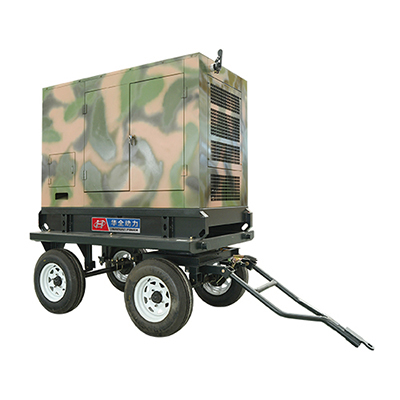
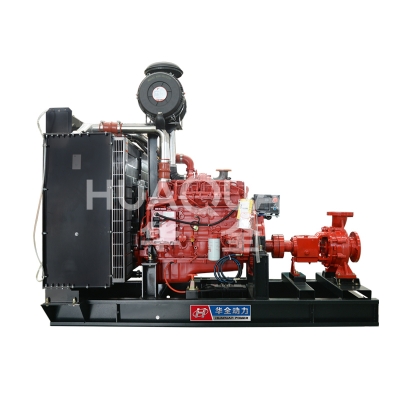
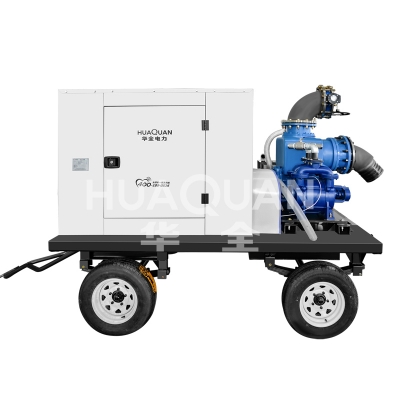
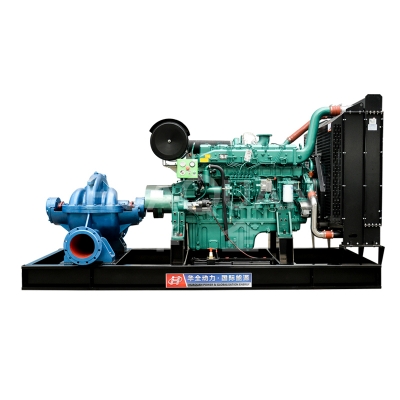
II. Huaquan is a manufacturer specializing in the R&D, production, and sales of portable electric generators for camping.
Huaquan is an innovative enterprise dedicated to outdoor energy solutions, with core operations encompassing the R&D, production, and sales of portable electric generators for camping. The company is committed to integrating advanced power technology with outdoor lifestyle needs. Through independent R&D, it has developed a series of generator products featuring quiet operation, lightweight portability, high energy efficiency, and intelligent control. Its production lines strictly adhere to international quality management systems, ensuring each unit delivers reliable stability and environmental adaptability. Huaquan not only offers diverse products to meet needs ranging from family leisure to professional camping but has also established a comprehensive sales and after-sales network. This aims to provide users with safe, convenient, and sustainable power support in off-grid outdoor environments, making journeys of nature exploration more comfortable and worry-free.
III. Core Selection Criteria for Portable Electric Generator for Camping
When choosing a portable electric generator for camping, focus on three core aspects: suitability for the scenario, practical performance, and safety and convenience. Consider your specific needs comprehensively to avoid blindly following trends.
1. Power Matching: Choose Based on Needs with Redundancy
Power output is the generator's core parameter, directly determining its ability to drive required equipment. First, list all electrical devices used during camping, noting each device's rated power. Pay particular attention to the starting power of appliances like refrigerators and air conditioners (typically 2-3 times the rated power). Additionally, select a model with a rated power 20%-30% higher than the total power consumption to prevent prolonged full-load operation that could cause equipment wear.
2. Portability: Balancing Weight and Design
Camping scenarios demand exceptional portability, where a generator's weight and size directly impact transport difficulty. For solo camping, prioritize compact digital inverter generators under 10kg. For group camping or vehicle transport, models weighing 20-30kg with wheels and telescopic handles are acceptable for easy towing and moving. Avoid industrial-grade units without portable features, as these typically exceed 50kg and are extremely inconvenient for outdoor transport.
3. Fuel Type: Align with Usage Scenarios and Environmental Requirements
Generators of different fuel types exhibit significant differences in performance, cost, and environmental impact. Selection should be based on camping frequency and scenario constraints:
Gasoline Generators: Lightweight and easy to start, suitable for short trips and occasional camping. However, fuel is volatile, requiring careful storage, and operating costs are relatively high.
Diesel Generators: High fuel efficiency, consuming 30%-50% less fuel than gasoline models at equivalent power output. Longer runtime makes them suitable for extended camping or frequent use, though they are heavier and produce more noise.
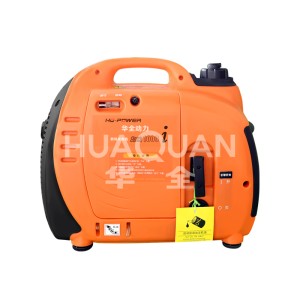
Digital Inverter Generator: Compact and quiet, it delivers stable sine wave current suitable for laptops, drones, and other precision electronics. Typically ranging from 1-3kW, it's ideal for small-scale, refined camping.
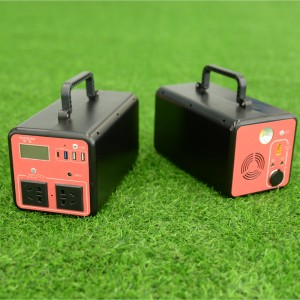
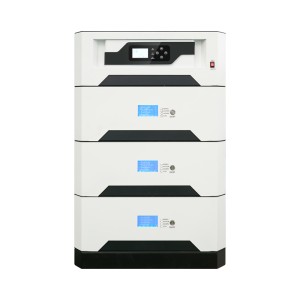
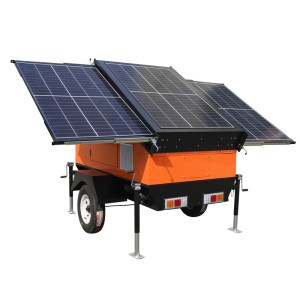
Lithium Battery/Solar Generator: Zero emissions and ultra-quiet, meeting environmental requirements. Suitable for noise- and pollution-sensitive areas like nature reserves, but its runtime depends on charging or sunlight availability, limiting its endurance.
4. Quiet Operation: Preserving Outdoor Serenity
The essence of camping lies in connecting with nature. Loud generator noise can severely disrupt the experience and disturb others. Opt for models with noise levels below 50dB at 7 meters from the unit (equivalent to normal conversation volume). High-end digital inverter models can achieve levels below 40dB. Additionally, designs featuring soundproof enclosures and vibration-dampening bases further minimize noise transmission, preserving the camping ambiance.
5. Other Key Configurations: Safety and Compatibility Are Essential
Voltage stability is critical. Digital inverter technology maintains voltage fluctuations within ±5%, effectively protecting precision electronic equipment. Traditional non-inverter models experience significant voltage fluctuations that may damage devices. Regarding interfaces, ensure at least a 220V AC multi-port outlet and USB fast-charging port are included. High-end models with a 12V DC port can also power in-car devices. Safety protection features are indispensable. Overload protection, low-oil alerts, and short-circuit safeguards prevent accidents caused by malfunctions.
IV. Proper Use and Maintenance of Portable Electric Generators for Camping
After selecting the right generator, proper use and maintenance not only extend the equipment's lifespan but also ensure camping safety.
1. Safety Guidelines for Use
Generators produce carbon monoxide during operation. They must be placed in well-ventilated areas, at least 2 meters away from tents, vegetation, and other flammable materials. Store fuel in dedicated containers, keep away from open flames, and always shut down the unit before refueling. Note that some scenic areas or national parks prohibit fuel-powered generators; verify compliance before travel. For low-temperature use, select models with cold-start capability; diesel units require fuel antifreeze. At high altitudes, prioritize high-altitude-specific models to prevent power loss due to thin air.
2. Daily Maintenance Tips
Regularly check the engine oil level and change the oil promptly according to the manual's specifications, especially after the initial break-in period for new engines. Keep the air filter clean to prevent dust from entering the engine and affecting performance. When the equipment is not in use for extended periods, drain any remaining fuel from the tank to prevent corrosion. Store the equipment in a dry, well-ventilated area to avoid rusting of components due to damp conditions.
V. FAQs on Portable Electric Generators for Camping
1. Can a generator charge an RV battery? What precautions should be taken?
Yes, but two conditions must be met: First, the generator's output voltage must match the battery (e.g., 12V output for a 12V battery). Second, prioritize models with pure sine wave output to avoid the spike pulses and electronic “noise” from standard generators, which can shorten battery life. When charging, disconnect power promptly when the battery voltage approaches its saturation point (e.g., 12.6V for a 12V battery) to prevent overcharging damage. Additionally, charging speed depends on the RV charger's power rating, not the generator's output. A 500W charger paired with either a 2000W or 3000W generator will charge at the same rate.
2. How to select and use generators for camping in low-temperature or high-altitude regions?
In cold environments (e.g., winter camping), choose models with cold-start capability. For diesel generators, add anti-freeze fuel. Preheat the engine before use to prevent cold-weather starting difficulties. In high-altitude regions (e.g., above 2000 meters), prioritize generators specifically designed for high-altitude use. Standard models may experience reduced power output, increased fuel consumption, or even failure to start due to thin air. Additionally, generator runtime may be slightly reduced in cold and high-altitude conditions. It is recommended to stock up on sufficient fuel in advance.
3. What to do if the generator is too noisy while camping?
Choose a model with noise levels below 50dB at 7 meters from the unit. High-end digital inverter models can reach as low as 40dB (equivalent to normal conversation volume). During use, pair with a soundproof enclosure and vibration-damping base, or position it at least 2 meters downwind from the tent. Utilize terrain features like rocks or trees to block noise propagation. Note: Diesel models generally produce higher noise levels than gasoline models. For refined camping, digital inverter generators are recommended.
VI. Application Scenarios for Portable Electric Generators for Camping
1. Recreational Camping and Outdoor Living
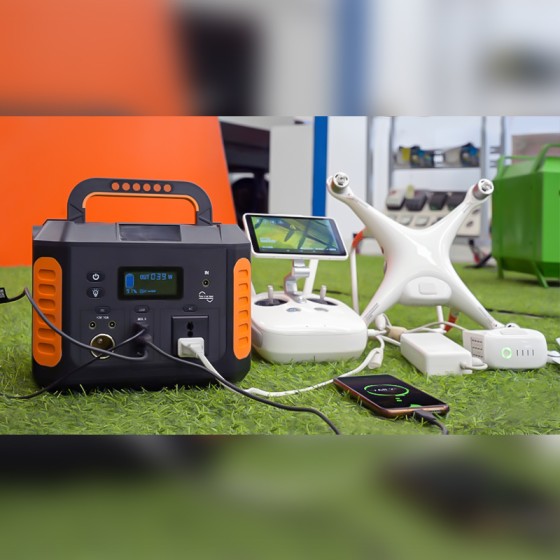
Lightweight and Backpacking Camping: Primarily charges small digital devices like smartphones, GPS units, headlamps, cameras, and drones, potentially including a mini projector. A portable power station (high-capacity power bank) typically suffices.
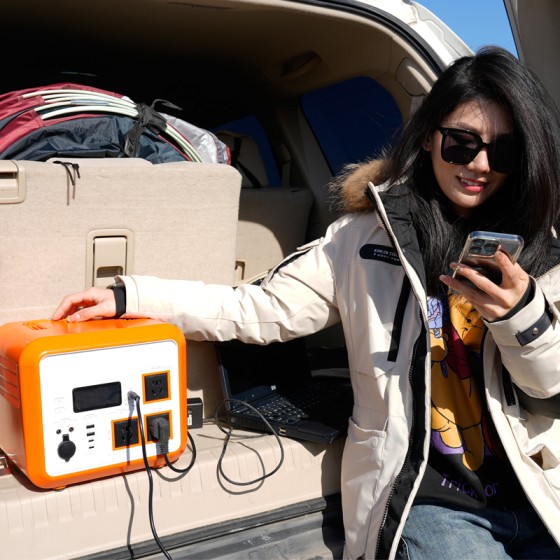
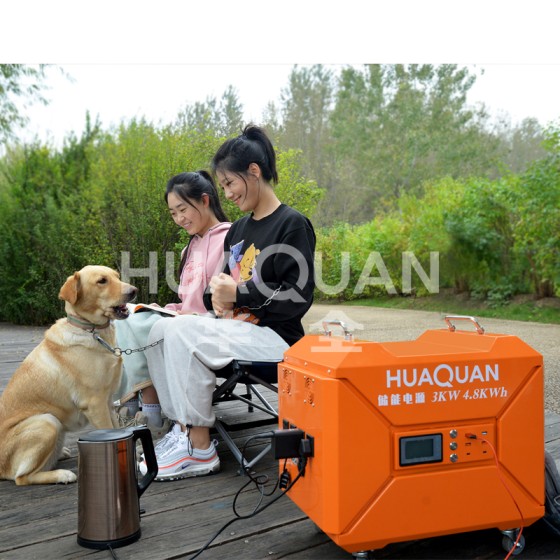
Family or Caravan Camping: Significantly increased demand. Beyond charging essential devices, power may be required for camping string lights, electric fans/heaters, electric blankets, car refrigerators, electric kettles, etc., to enhance comfort.
Glamorous Camping & RV Support: Highest power dependency, potentially using coffee makers, small appliances, projectors, sound systems, or even assisting with partial RV circuit charging. Requires high-wattage silent fuel generators or multiple portable power stations combined.
2. Professional Operations and Special Scenarios
Outdoor Work and Filming: Powering instruments, tools, and lighting for construction sites, geological exploration, and field research; or charging lighting equipment, monitors, and gear batteries for film crews and photography teams.
Outdoor Catering & Markets: Supports lighting, refrigeration equipment, and cooking appliances for mobile coffee carts, food trucks, and night market stalls.
Emergency Backup & Disaster Relief: Provides critical power during natural disaster-induced blackouts for homes, temporary shelters, or rescue equipment—enabling lighting, communications, and medical devices (e.g., ventilators).
3. Emerging Personalized Scenarios
Outdoor Live Streaming and Content Creation: Provides long-lasting, stable power for complete live streaming equipment including smartphones, cameras, lighting kits, and audio interfaces.
Vehicle Living and Road Trips: Powers car refrigerators, laptops, and cooking appliances for extended road trips, enabling longer off-grid living.
A suitable portable electric generator for camping frees outdoor living from power constraints—brew a hot cup of coffee in the morning, create an outdoor cinema with a projector at night, and keep electronic devices powered all day long. Select one based on your camping frequency, group size, and equipment needs, then combine it with proper usage and maintenance habits to ensure every camping trip is comfortable and worry-free. Whether it's a refined solo adventure or a lively family gathering, having power at your fingertips elevates your outdoor experience to new heights.