XN(XN6E)-A-DTLS-300x300.jpg)
-300x300.jpg)
-300x300.jpg)
XN(XN4ES)-Z珊瑚红-300x300.png)
-300x300.jpg)
-300x300.jpg)
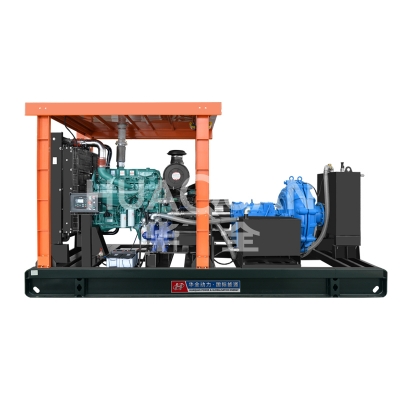


Small Diesel Generator: Reliable and Efficient Mobile Power Cores
In an era where electricity supply forms the bedrock of modern society, small diesel generators have emerged as indispensable power equipment for emergency supply, outdoor operations, and remote area electrification due to their unique advantages. With their compact design, stable performance, and economical operating costs, they provide flexible and reliable power solutions for individuals, businesses, and diverse engineering projects, earning the reputation as the “mobile power heart.”
I. Small Diesel Generator
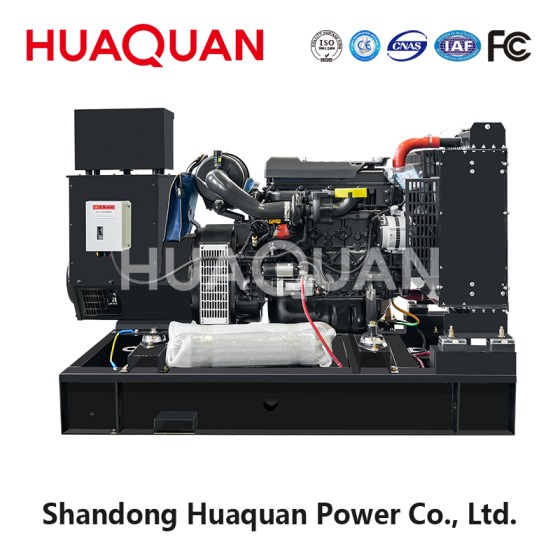
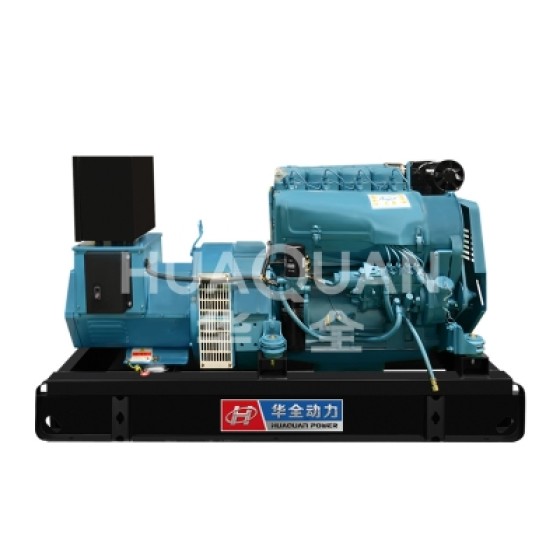
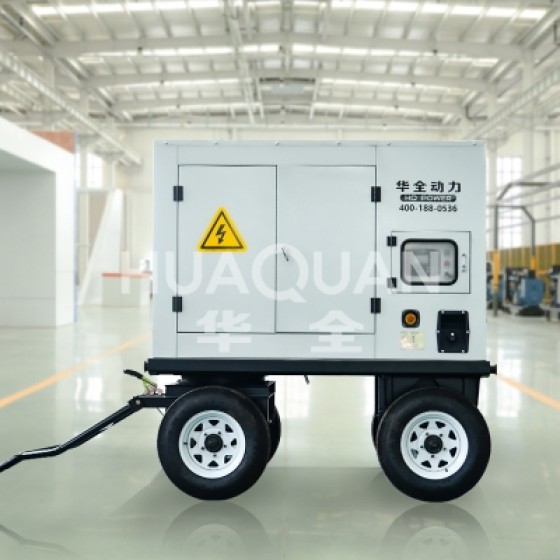
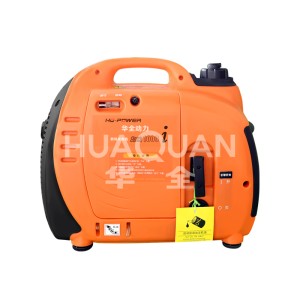
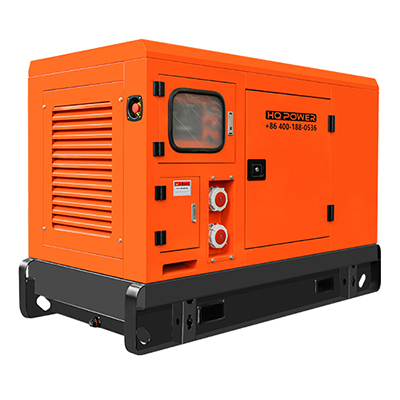
Small diesel generator refers to compact power generation equipment fueled by diesel, utilizing a diesel engine to drive a generator and produce electricity. Their power output typically ranges from 2 kW to 50 kW. Combining both power supply and electrical conversion functions, these units feature a compact design suitable for either mobile or fixed installation. They provide stable power for scenarios lacking grid electricity or requiring emergency power supply.
II. Huaquan: Professional Manufacturer of Small Diesel Generators
As a technology-driven enterprise deeply rooted in the power equipment sector, Huaquan remains dedicated to the R&D, manufacturing, and provision of system solutions for small diesel generators. With exceptional engineering expertise and a rigorous quality control system at its core, Huaquan is committed to delivering efficient, reliable, and durable power generation equipment to customers worldwide. From residential emergency backup and commercial primary power sources to field engineering operations, Huaquan products consistently provide robust power assurance in demanding environments through outstanding fuel efficiency, stable load adaptability, and optimized quiet, eco-friendly design. More than just a manufacturer, Huaquan serves as a trusted energy partner. Through an extensive service network and comprehensive lifecycle support, every “Huaquan Power” unit becomes a dependable choice worthy of entrustment. Choosing Huaquan means choosing a commitment to continuous, stable power.
III. Core Advantages of Small Diesel Generators
Compared to gasoline generators, inverter generators, and other similar products, small diesel generators demonstrate significant competitive advantages across multiple dimensions. This is the core reason for their widespread adoption.
1. Rapid Start-up and Strong Load Adaptability
The diesel engine achieves start-up in mere seconds and reaches full load operation within one minute during emergency scenarios. This enables swift response to sudden power outages, effectively minimizing losses from electricity interruptions. Additionally, it supports frequent start-stop cycles with exceptional adaptability to load variations. Whether powering light loads like lighting equipment or heavy loads such as small electric tools, it maintains stable operation.
2. High thermal efficiency and outstanding fuel economy
Small diesel generators achieve effective thermal efficiencies ranging from 30% to 46%, significantly surpassing high-pressure steam turbines and gas turbines. This means they convert more fuel energy into electrical power. At equivalent power outputs, their fuel consumption rates are markedly lower than gasoline generators, substantially reducing long-term operating costs—making them particularly suitable for applications requiring extended power supply.
3. Compact Structure and High Durability
Small diesel generators feature simple auxiliary equipment with minimal components, offering a compact size and lightweight design. They occupy only a fraction of the space required by traditional power generation equipment, enabling flexible and convenient installation—whether for fixed placement or mobile use. Additionally, diesel engines boast a robust mechanical structure with low wear rates and extended service life. With proper maintenance, their operational stability significantly surpasses that of comparable equipment.
4. Environmental Protection and Safety Enhancements
With technological advancements, harmful emissions from modern small diesel generators have been significantly reduced, with most models now meeting stringent environmental standards. Diesel fuel is less flammable than gasoline, offering superior fire safety during storage and operation compared to gasoline generators, thereby expanding their application scope.
IV. Selection Guide for Small Diesel Generators
Faced with the wide variety of small diesel generators on the market, how can you accurately select a model that meets your specific needs? Focus on the following core factors.
1. Define Power Requirements
Before purchasing, accurately calculate the actual electrical load—the total power consumption of all devices requiring simultaneous operation—and allow a 20%–30% safety margin to prevent overloading. Additionally, determine whether the primary use is for regular power supply, backup power, or emergency mobile power.
2. Brand and Quality Considerations
Internationally renowned brands offer more reliable product quality and after-sales service, though at a higher price point. Premium domestic brands provide outstanding value for money, making them ideal for budget-conscious consumers. When selecting products, prioritize brands with proper certifications and strong market reputation to avoid purchasing substandard items.
3. Focus on Core Configurations and Additional Features
Regarding engine types, imported engines offer more stable performance but come at a higher cost, while domestically produced engines provide better value for money—choose based on your needs. For configurations, automated control systems enable unattended automatic start-stop operation, low-noise designs suit residential areas, and environmental protection devices meet stringent emission requirements—select according to your specific application scenario.
4. Comprehensive Consideration of Costs and After-Sales Service
Beyond the initial purchase cost, attention must also be paid to long-term expenditures such as fuel consumption rates and maintenance costs. Simultaneously, it is essential to confirm whether the supplier offers comprehensive after-sales service, including on-site repairs and spare parts supply, to ensure prompt resolution of any issues that may arise with the unit.
V. Frequently Asked Questions About Small Diesel Generators
1. Can small diesel generators run continuously for extended periods?
Yes, but operating time must be controlled and proper maintenance performed. Most small diesel generators are designed for 8–12 hours of continuous operation, while some industrial-grade models can run continuously for 24 hours. During extended operation, regularly check the oil level and coolant temperature (to prevent overheating). Shut down the unit for a 30-minute rest period every 4 to 6 hours of operation to allow it to cool down. Ensure adequate ventilation to prevent exhaust gas buildup and overheating. After prolonged high-load continuous operation, perform Level 1 maintenance in advance (such as oil changes and filter cleaning).
2. What are the most critical maintenance tasks during daily operation?
First, air filters, oil filters, and fuel filters must be cleaned or replaced regularly as required (air filters every 50 hours, oil and fuel filters every 100 hours) to prevent contaminants from entering the unit and causing wear.
Second, check oil, coolant, and fuel levels daily before startup. Top up any low levels promptly to prevent failures caused by oil or fluid shortages.
Third, regularly inspect the tightness of all connections (e.g., oil lines, bolts) to eliminate oil, water, or air leaks. Simultaneously, clean external dust from the unit to ensure effective heat dissipation.
3. What safety precautions should be taken when using small diesel generators in residential settings?
First, the unit must be placed outdoors in a well-ventilated area. Never operate it indoors or in enclosed spaces to prevent carbon monoxide poisoning.
Second, fuel must be stored separately, away from ignition sources and heat. Always shut down the generator and allow it to cool before refueling to avoid fire hazards from fuel splashes.
Finally, use appropriately rated cables for wiring to prevent overloads and short circuits. Install a ground fault circuit interrupter (GFCI) and never connect the generator directly to the household electrical grid. This prevents equipment damage or electric shock when utility power is restored unexpectedly.
VI. Application Areas of Small Diesel Generators
Small diesel generators typically operate within a power range of 2kW to 50kW, with models between 2kW and 10kW being the most prevalent. Thanks to their flexible adaptability, they are widely used in diverse settings including residential, commercial, industrial, and outdoor applications.
1. In residential emergency preparedness, they serve as a reliable safeguard against unexpected power outages. When grid electricity fails, small diesel generators can rapidly activate to supply power for essential appliances like refrigerators, air conditioners, and lighting, ensuring uninterrupted household operations. They are particularly suited for remote rural areas with unstable power grids or regions prone to natural disasters.
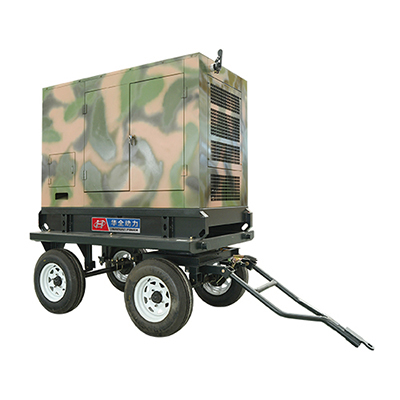
2. In outdoor work scenarios, it serves as an indispensable power source. At construction sites, farmland irrigation areas, and remote exploration sites without grid access, small diesel generators power equipment like welders, cutters, and water pumps. In mobile settings such as campgrounds and night market stalls, they provide stable electricity for lighting and cooking appliances, ensuring smooth operations.
3. In small commercial establishments, it serves as the “backup defense” for business continuity. Small shops, restaurants, auto repair shops, and similar venues rely heavily on electricity. A power outage directly impacts revenue. Equipping these spaces with a small diesel generator ensures seamless power supply during grid interruptions, preventing customer loss and financial damage.
4. In the public service sector, it serves as the “invisible backbone” of emergency support. In remote areas, locations such as communication base stations, highway toll stations, and small medical facilities can utilize small diesel generators as backup power sources. This ensures the continuous operation of critical equipment, safeguarding the continuity of public services.
Small diesel generators have become an essential component of modern energy security systems due to their rapid startup, high efficiency, durability, and wide applicability. Whether responding to emergency power outages or supporting outdoor operations in areas without grid access, they provide critical energy support with stable and reliable performance.
With continuous technological advancements, small diesel generators will continue to improve in environmental friendliness, quiet operation, and smart capabilities, further expanding their application boundaries. For users, precise selection and scientific maintenance are essential to fully unlock the value of this “mobile power core,” safeguarding both daily life and industrial operations.
水印-560x560.jpg)