XN(XN6E)-A-DTLS-300x300.jpg)
-300x300.jpg)
-300x300.jpg)
XN(XN4ES)-Z珊瑚红-300x300.png)
-300x300.jpg)
-300x300.jpg)


How Emergency Water Pumps Turn the Tide in Flooding?
When floods sweep through villages like raging beasts, when urban flooding turns streets into rivers, when torrential rains threaten lives and property—in these critical moments, a special piece of equipment quietly plays an indispensable role: the emergency water pump. These seemingly simple mechanical devices are the unsung heroes of flood control and emergency drainage systems, turning the tide at crucial junctures to safeguard countless lives and assets.
I. Emergency Water Pumps
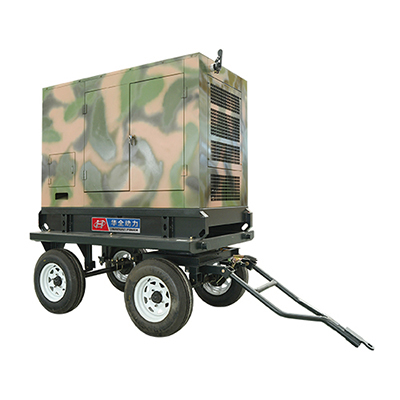
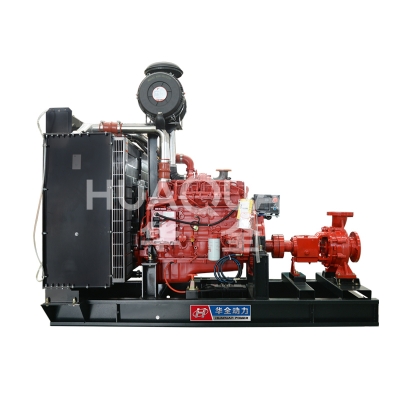
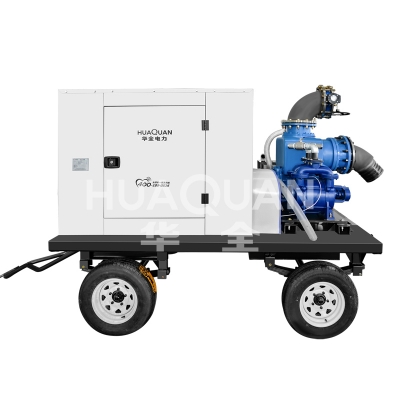
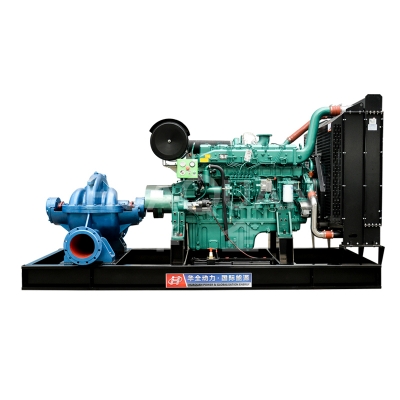
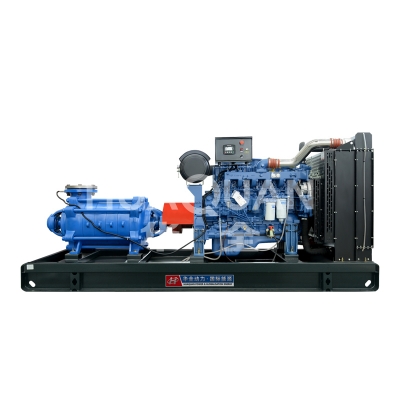
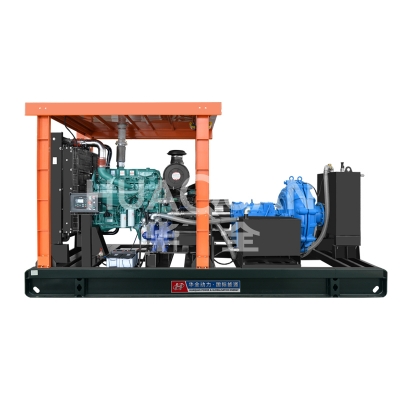
Emergency water pumps are designed to address sudden water-related emergencies such as torrential rain flooding, drought-induced water shortages, water supply interruptions, and water seepage incidents. Featuring rapid deployment, stable operation, and adaptability to complex environments, they serve as core hydraulic equipment safeguarding lives and property.
Emergency water pumps do not refer to a specific pump model but represent a functional classification based on purpose and performance requirements. They constitute critical engineering rescue equipment within public safety and disaster management systems.
II. Huaquan: Professional Emergency Water Pump Manufacturer
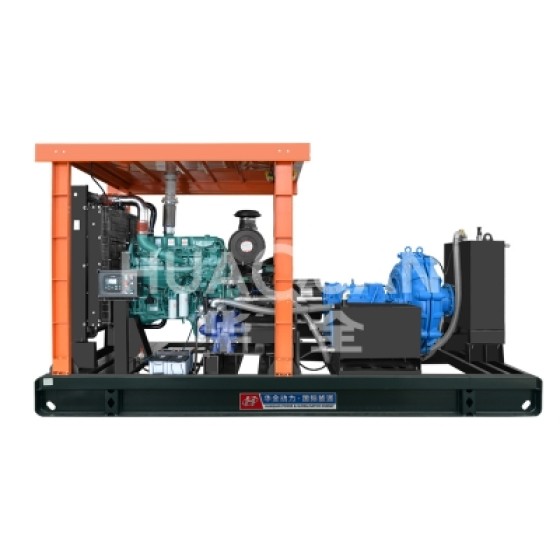
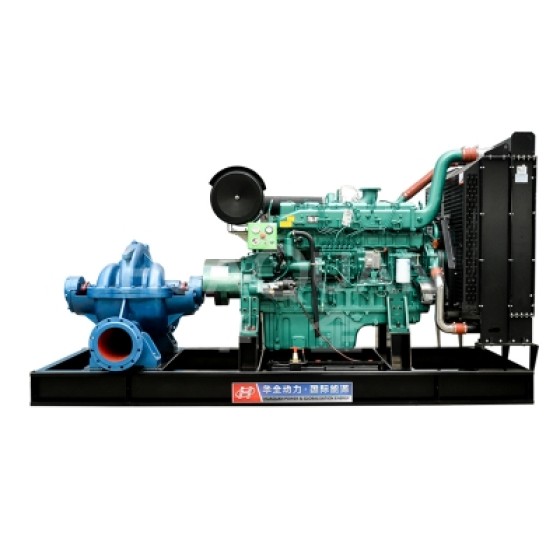
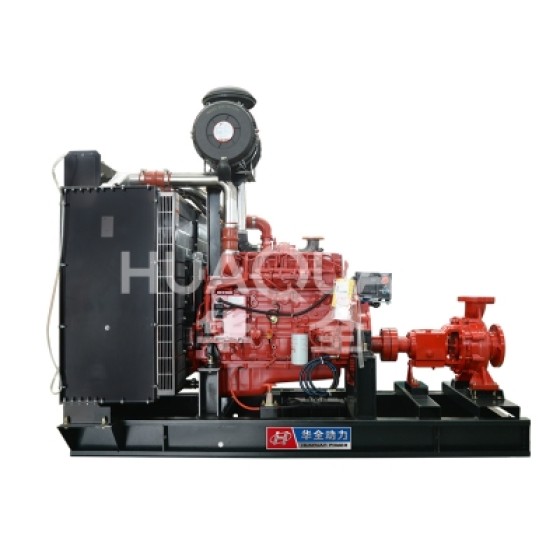
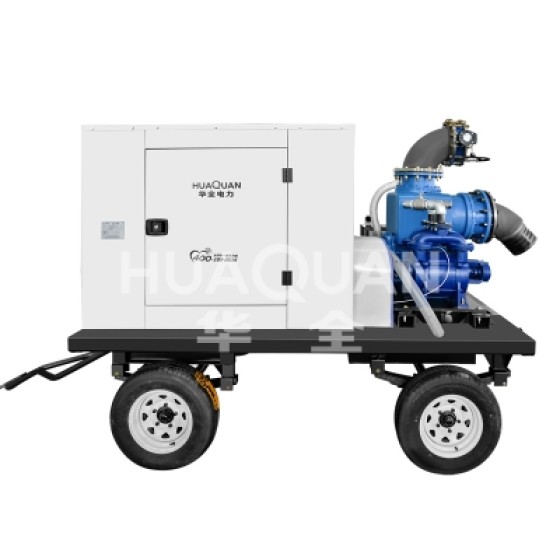
As a professional emergency water pump manufacturer, Huaquan remains committed to providing efficient and reliable emergency drainage solutions for global customers. Leveraging proprietary core technologies, stringent quality control systems, and deep understanding of diverse application scenarios, Huaquan has developed a comprehensive range of high-performance water pump products, including portable, mobile, and high-flow series. Whether on the front lines of flood relief operations or at industrial accident response sites, Huaquan water pumps deliver rapid response, robust power, and enduring stability, serving as a critical force in safeguarding lives and property. Huaquan is not merely an equipment manufacturer but also a builder and supporter of emergency response systems.
III. Key Technical Parameters: How to Select the Right Emergency Water Pump
When selecting an emergency water pump, multiple technical parameters must be considered comprehensively:
1. Flow rate and head are the most fundamental indicators. Flow rate determines drainage speed, while head determines the maximum height water can be lifted. For instance, draining flooded underground garages requires pumps with medium flow rates (100-200 m³/h) and high heads (15-25 meters). Conversely, managing large-scale agricultural flooding necessitates equipment with high flow rates (500 m³/h+) and low heads (5-10 meters).
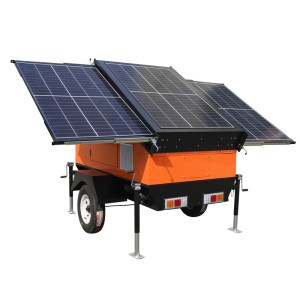
2. The reliability of the power source is critical. Disaster zones often face power outages and fuel supply challenges. Modern high-end emergency water pumps typically feature dual-fuel systems or hybrid designs, capable of adapting to varying fuel qualities. Some innovative products also integrate solar charging systems to ensure uninterrupted operation during prolonged rescue missions.
3. Passage capacity determines a pump's ability to handle contaminated water. High-quality sewage pumps should accommodate solid particles ranging from 20 to 50 millimeters in diameter, preventing frequent clogs that hinder rescue efficiency.
4. Rapid deployment capability is a core requirement for emergency equipment. “Rapid drainage systems” integrate pumps, piping, fittings, and control systems within standard shipping containers, enabling operation within 30 minutes of arrival at the site—significantly accelerating response times.
IV. Scientific Deployment and Use of Emergency Water Pumps
Proper deployment and operation of emergency water pumps require adherence to scientific principles:
1. Location selection should prioritize areas with ample and relatively clean water sources, avoiding placement in positions susceptible to flooding. Intake ports must be equipped with filter baskets to prevent large debris from entering the pump body. When multiple pumps operate in coordination, adopt a staggered or parallel arrangement to minimize mutual interference.
2. System compatibility is critical. The pump's performance curve must align with the pipeline system's characteristics; otherwise, efficiency will significantly decrease. For instance, using overly narrow pipes substantially increases friction losses and reduces actual drainage volume. Huquan professionals recommend that emergency drainage pipes should have a diameter at least 1.2 to 1.5 times the pump outlet diameter.
3. Maintenance and safeguards determine whether equipment can operate continuously. Modern emergency water pumps are now equipped with remote monitoring systems that track operational status in real time and provide early warnings of potential failures.
4. Safe operation must not be overlooked. Gasoline-powered water pumps may produce carbon monoxide in enclosed spaces, requiring adequate ventilation. Electrical equipment must be properly grounded to prevent electric shock. When working in fast-moving water, operators must wear safety harnesses and life-saving gear.
V. FAQs on Emergency Water Pumps
1. What safety precautions should be observed when using emergency water pumps?
Personnel Safety: Operators must be trained and wear protective gear. When using gasoline-powered pumps in enclosed spaces, strictly guard against carbon monoxide poisoning and ensure adequate ventilation.
Equipment Safety: Position the pump on stable, level ground. Securely connect inlet and outlet pipes. Ensure cables are undamaged and properly grounded.
Operational Safety: Strictly follow startup procedures. Never touch rotating parts during operation. Monitor equipment sounds and temperatures closely; stop immediately if abnormalities occur.
Environmental Safety: Plan drainage routes carefully to prevent secondary damage or disasters to surrounding areas.
2. How should emergency water pumps be maintained during normal operation?
Regular Inspection and Testing: Even when not in use, start the pump monthly for several minutes to check the engine, seals, battery condition, etc.
Fuel Management: For engine-driven pumps, use fresh fuel. Before long-term storage, drain the fuel system or add fuel stabilizer.
Cleaning and Rust Prevention: After each use, flush residual sludge from the pump with clean water. Thoroughly dry before storage and apply rust-preventive oil to metal components.
Spare Parts and Records: Stock commonly worn parts. Maintain a maintenance log recording operating hours and service details.
3. With numerous emergency water pump brands on the market, what should be the primary considerations when selecting one?
Core Performance and Reliability: Verify the accuracy of key specifications and assess whether the brand holds a reputable standing within the professional sector.
Power System Quality: The engine brand and quality directly determine the pump's durability and stability.
Materials and Craftsmanship: The materials used for critical components like the pump body and impeller determine corrosion resistance and wear resistance.
Service and Support: Does the supplier offer professional technical consultation, rapid spare parts supply, and reliable after-sales support.
VI. Application Scenarios for Emergency Water Pumps
Emergency water pumps serve as versatile solutions across all sectors, from public welfare to industrial production, addressing water crises in diverse contexts.
1. Municipal Applications
As core equipment for urban flood control, emergency pumps enable rapid deployment of high-capacity drainage systems when underground garages, subways, or tunnels flood. Large mobile pump trucks swiftly restore functionality and prevent citywide paralysis.
2. In Agriculture
During droughts, emergency pumps rapidly establish temporary irrigation systems, drawing water from rivers and lakes to sustain crop growth. Following floods, they promptly drain waterlogged fields, minimizing crop damage.
3. In Industrial and Mining Applications
It can serve as an emergency backup water source for factories while also enabling rapid drainage during mine water ingress incidents, buying critical time for rescue operations.
4. In Firefighting and Environmental Protection
Emergency pumps with strong self-priming capabilities can draw water from distant rivers, lakes, and reservoirs for firefighting. They also participate in ecological management tasks like sludge pond cleanup and river dredging.
5. Disaster Areas Affected by Earthquakes, Floods, and Other Natural Disasters
Emergency pumps are crucial for establishing temporary water supply systems, ensuring basic drinking water needs for affected populations.
Emergency water pumps stand as silent guardians, quietly tucked away in warehouse corners until called upon in times of crisis. They are not merely combinations of steel and motors, but powerful tools for humanity's battle against natural disasters. In an era where climate change fuels increasingly frequent extreme weather events, bolstering emergency drainage capabilities stands as one of the wisest investments for the future. When we hear the deep, steady hum of these pumps in operation, we hear not merely the sound of water being drained, but the melody of lives and hopes being safeguarded.