XN(XN6E)-A-DTLS-300x300.jpg)
-300x300.jpg)
-300x300.jpg)
XN(XN4ES)-Z珊瑚红-300x300.png)
-300x300.jpg)
-300x300.jpg)
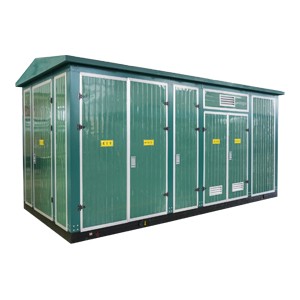
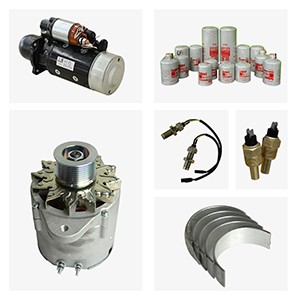
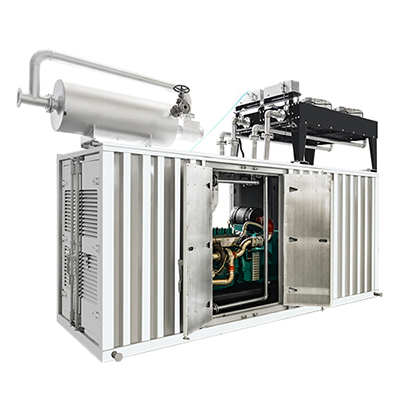
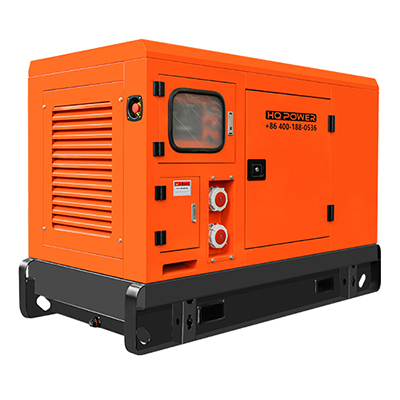
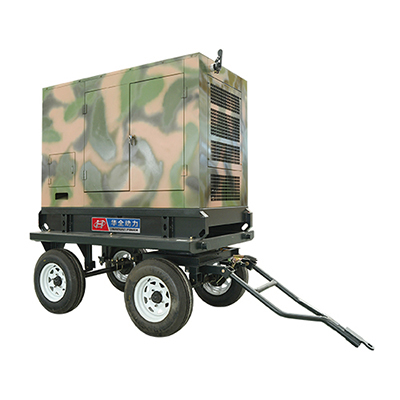
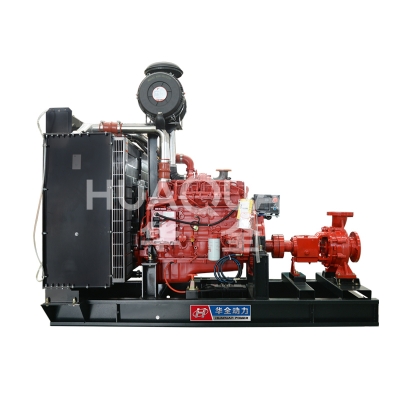
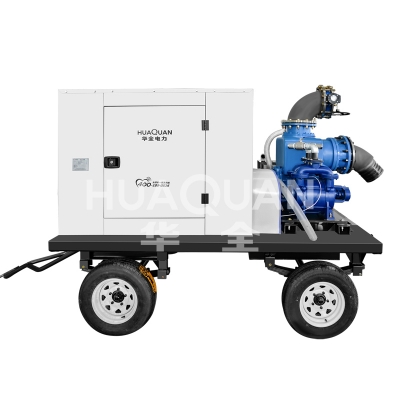
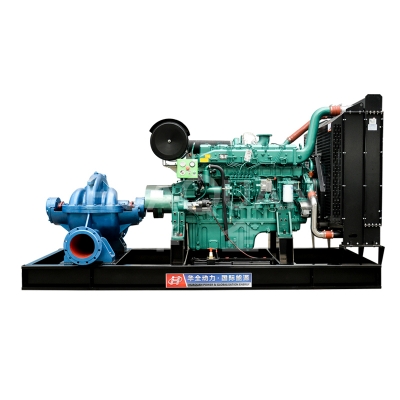


Advantages of Energy Storage Power Station
Amid the global energy transition, the installed capacity of renewable energy sources such as wind and solar power continues to expand, emerging as a core force in combating climate change. However, the inherent intermittent and fluctuating nature of renewable energy—such as surges in photovoltaic output during peak sunlight hours and wind power outages during windless nights—poses severe challenges to the safe and stable operation of power grids. Against this backdrop, Energy storage power station has emerged as “energy reservoirs.” They can both store surplus electricity and release power during shortages, serving as a critical link between renewable energy sources and the grid. This makes them essential for ensuring the efficient and secure operation of the energy system.
I. Energy Storage Power Station
An energy storage power station refers to a system that converts electrical energy into other forms of energy through chemical or physical means for storage, then reconverts this energy back into electricity for output when needed. Its core components include energy storage units, power conversion equipment, and control systems. As a large-scale, dispatchable, grid-connected infrastructure, it provides time-based energy management services by storing and releasing electrical energy, thereby enhancing the safety, flexibility, and economic efficiency of power systems.
II. Huaquan: A Premium Energy Storage Power Station Manufacturer
Huaquan is a premier solutions provider and equipment manufacturer deeply rooted in the energy storage sector, dedicated to delivering critical support for the global energy transition. The company not only produces safe, reliable, and high-performance core equipment for energy storage systems but also commits to providing customers with comprehensive, customized energy storage power station solutions for all scenarios.
Leveraging its deep technical expertise, Huaquan delivers diverse projects including large-scale independent shared energy storage power stations, renewable energy-integrated storage systems, and photovoltaic-storage hybrid systems for industrial and commercial parks. Its products and solutions feature core advantages of high safety, extended lifespan, and superior efficiency. Through advanced battery management, intelligent power station control, and precise grid support technologies, Huaquan ensures outstanding performance in core functions such as peak shaving and frequency regulation, grid stabilization, enhanced renewable energy integration, and significant electricity cost savings for users. Driven by technological innovation and guided by customer value, Huaquan is committed to empowering the development of new power systems through reliable energy storage facilities, helping society achieve a sustainable energy future.
III. Core Advantages of Energy Storage Power Stations
1. Fundamental Advantage: Enabling Energy “Time Shift”
This represents its most fundamental capability, addressing the core challenge of “real-time balancing” in power systems. It decouples electricity generation and consumption over time, “storing” surplus energy for release during shortages. This functionality is unattainable by other power facilities (such as power plants). It effectively installs a “battery” within the power system, endowing it with temporal flexibility.
2. Systemic Advantage: The “Key Pillar” for Building a New Power System
Leveraging its “Time Shift” capability, it provides critical support for the safe and efficient operation of power grids under high renewable energy penetration.
Delivering multi-layered safeguards to enhance grid resilience: With millisecond-level response times, it instantly smooths frequency fluctuations caused by wind/solar variations or sudden load changes, serving as the “ballast” that maintains grid stability. During sudden generator failures or transmission interruptions, it acts as a “rapid backup power source” to swiftly fill power gaps, preventing widespread blackouts.
Promoting green energy integration and accelerating the energy transition: When paired with wind farms and solar power stations, it smooths and stabilizes their intermittent, sawtooth output curves, enabling more “friendly” grid integration. When the grid cannot fully absorb excess renewable energy, it stores surplus power, directly increasing the utilization rate of green electricity.
Optimizing resource allocation and enhancing economic efficiency: Charging during off-peak hours and discharging during peak hours not only reduces user electricity bills but also flattens the grid load curve. This improves the overall utilization efficiency of power generation and transmission/distribution equipment while delaying massive grid investment.
3. Value Advantages: Generating multidimensional, quantifiable comprehensive benefits
For power systems: Enhancing safety and reliability, improving operational efficiency, and reducing overall power supply costs.
For renewable energy enterprises: Reducing curtailed wind and solar power, increasing power generation revenue, and ensuring grid connection compliance.
For power users: Lowering electricity costs, providing emergency power sources, and profiting from demand response participation.
For society and energy transition: Accelerating fossil fuel replacement, increasing energy self-sufficiency, and safeguarding energy security.
IV. Customization Process for Energy Storage Power Stations
1. Requirements Analysis and Preliminary Planning
This marks the starting point of customization. We engage in in-depth discussions with you to clarify the core requirements of the power station: whether it serves grid frequency regulation (requiring millisecond-level response), peak shaving and valley filling to capture electricity price differentials, or acts as a backup power source to ensure production continuity. Concurrently, we conduct a detailed on-site survey to analyze the electricity load curve, site conditions, and local policies. Based on this foundation, we perform preliminary technical selection and a detailed investment payback period analysis to ensure project feasibility.
2. Project Approval and Schematic Design
Following the feasibility study, a project filing application must be submitted to the National Development and Reform Commission (NDRC) and approval for grid connection obtained from the power grid company. This constitutes the project's legal “birth certificate.” More crucially, the detailed design phase involves engineers completing comprehensive construction drawings for electrical systems, civil works, and other aspects based on preliminary requirements, while also finalizing detailed technical agreements with equipment suppliers.
3. Construction and Equipment Integration
This phase involves executing construction per design drawings, encompassing civil works, equipment installation, and electrical wiring. Rigorous quality and safety controls are enforced throughout.
4. Grid Connection Acceptance and Commissioning
Upon completion, the power station undergoes joint acceptance inspections by multiple authorities including the Power Quality Supervision Station, grid company, and fire department. This is followed by system commissioning and trial operation. A grid connection dispatch agreement is signed with the grid company, marking the official commencement of commercial operation.
5. Operation, Maintenance, and Optimization
Our customized services extend beyond commissioning. We typically provide an intelligent monitoring platform for daily maintenance. Based on actual operational data and electricity pricing policies, we continuously optimize the power plant's charging and discharging strategies to maximize lifetime returns.
V. Frequently Asked Questions About Energy Storage Power Stations
1. Do energy storage power stations incur losses during operation?
Yes. Beyond the inherent efficiency losses from battery charging and discharging, auxiliary equipment such as fire monitoring systems, air conditioning temperature control, and battery management systems also consume electricity. These losses must be factored out when calculating project returns.
2. What are the primary technical types of energy storage power stations?
Pumped Storage: Mature technology with large capacity and long lifespan, suitable for large-scale grid-level peak shaving and valley filling.
Lithium-ion Battery Storage: Fast response and high efficiency, ideal for renewable energy integration and ancillary services.
Flow Battery Storage: High safety and long cycle life, suitable for long-duration energy storage needs.
Compressed Air Energy Storage: Significant scaling potential and environmental benefits, adaptable for grid peak shaving and valley filling scenarios.
3. As a premium energy storage power station manufacturer, what core capabilities does Huaquan possess?
Robust R&D capabilities;
Stringent product quality control systems;
Comprehensive customized service offerings;
End-to-end service chain covering solution design, equipment manufacturing, and project operation & maintenance;
Diversified product portfolio tailored for various application scenarios.
VI. Application Scenarios of Energy Storage Power Stations
Energy storage power stations have extensive application scenarios. Based on their position and function within the power system, they can be primarily categorized into three major types: grid-side, consumer-side, and generation-side.
1. Grid-Side: The “Stabilizer” and “Dispatcher” of Power Systems
This represents the core application ensuring the safe and stable operation of large power grids. Energy storage power stations operate under unified grid dispatch, primarily providing two critical services: First, peak shaving (energy time shifting) involves charging during off-peak hours and discharging during peak periods, achieving “peak shaving and valley filling” to balance daily electricity supply and demand. Second, frequency regulation and reserve power (power support). Leveraging millisecond-level rapid response capabilities, these systems stabilize grid frequency and voltage fluctuations in real time. They also provide emergency backup power during sudden failures, functioning similarly to a “voltage regulator” for the grid.
2. User Side: Enterprises' “Cost-Saving Tool” and “Emergency Power Supply”
This primarily refers to constructing energy storage power stations within large electricity consumers such as industrial parks, shopping malls, and data centers. This represents the most direct economic incentive. Enterprises charge during nighttime off-peak hours and discharge for self-consumption during daytime peak periods, significantly reducing electricity costs by capitalizing on price differentials. Additionally, this helps users lower their maximum power consumption, thereby reducing base electricity charges. Simultaneously, during planned outages or grid failures, it serves as a backup power source to ensure critical loads remain operational.
3. Power Supply Side: The Ideal Partner for New Energy
Built alongside wind and solar power plants, it addresses their inherent volatility by absorbing or releasing electricity in real time. This transforms the fluctuating output from wind and solar into relatively stable, predictable power that meets grid connection requirements. When the grid cannot absorb excess energy, it stores surplus new energy electricity for later release when needed, significantly boosting energy utilization efficiency.
As the “energy reservoir” of the new energy era, energy storage power stations serve not only as a key solution to the challenge of integrating renewable energy but also as the core pillar for building a new power system and achieving energy transition. In the future, the energy storage power station industry will undoubtedly embrace broader development prospects, injecting robust momentum into promoting clean and low-carbon energy development while ensuring secure and stable energy supply.