XN(XN6E)-A-DTLS-300x300.jpg)
-300x300.jpg)
-300x300.jpg)
XN(XN4ES)-Z珊瑚红-300x300.png)
-300x300.jpg)
-300x300.jpg)
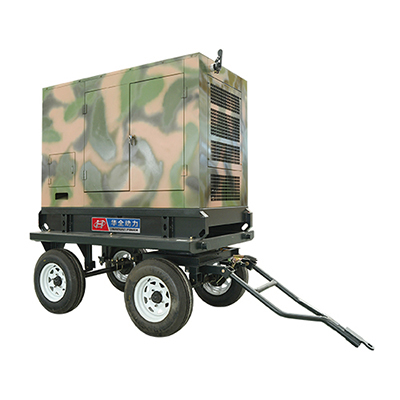
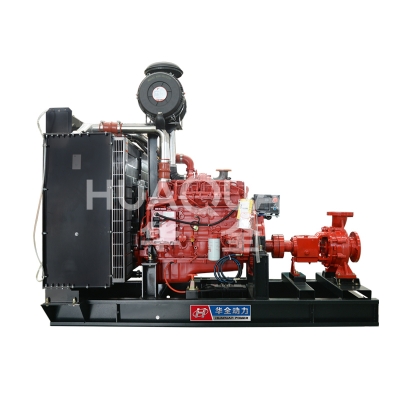
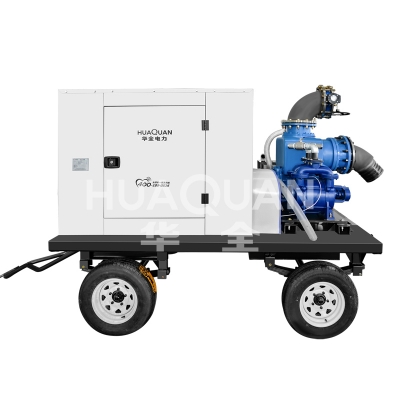
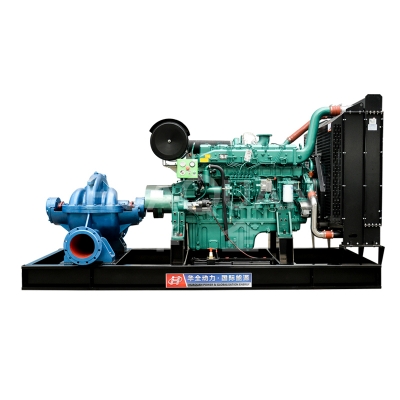
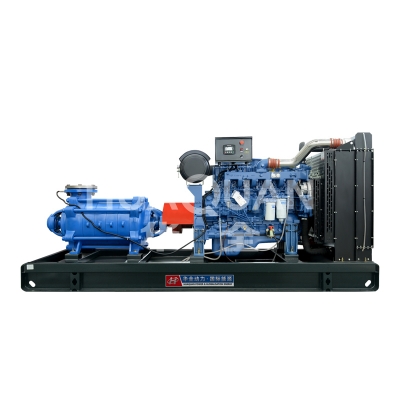
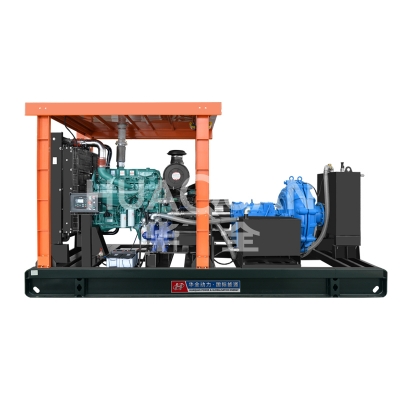


Engine Parts: The Precision Components and Development Path of the Power Core
As the “heart” of equipment, an engine's performance directly depends on the precision and compatibility of its parts. These parts function like the heart's “blood vessels” and “nerves,” working together to complete critical processes such as fuel combustion, power output, and energy regulation. They form the foundation for ensuring efficient and stable equipment operation. While different scenarios impose varying demands on precision, strength, and temperature resistance, the core functionalities consistently revolve around three primary objectives: enhancing power efficiency, reducing energy consumption and losses, and extending service life.
I. Engine Parts
Engine Parts, commonly referred to as engine parts or engine assemblies, encompass all individual precision parts, subassemblies, and systems within an engine (internal combustion engine). They form the essential physical foundation enabling the engine to perform its core functions. These components serve as the engine's “organs” and “tissues,” where their design and manufacturing quality directly determine the performance, efficiency, reliability, and service life of the engine and the entire powertrain system.
II. Huaquan: A Premium Engine Parts Supplier
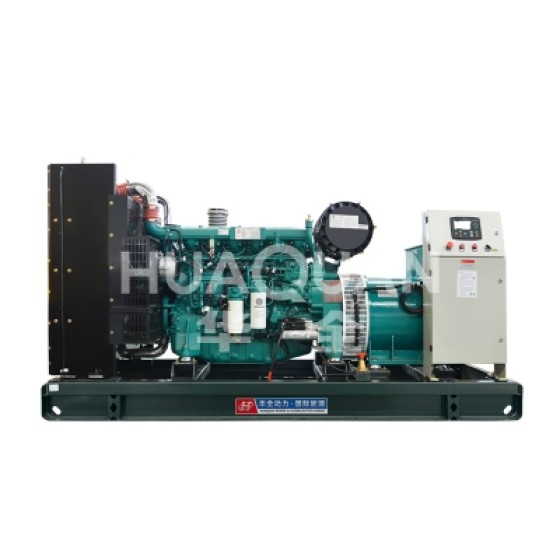
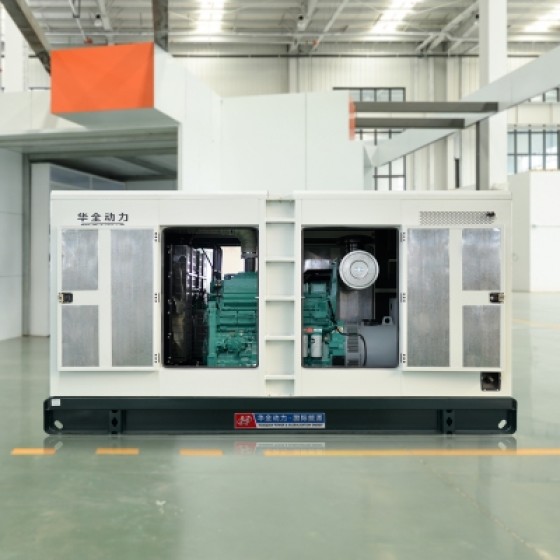
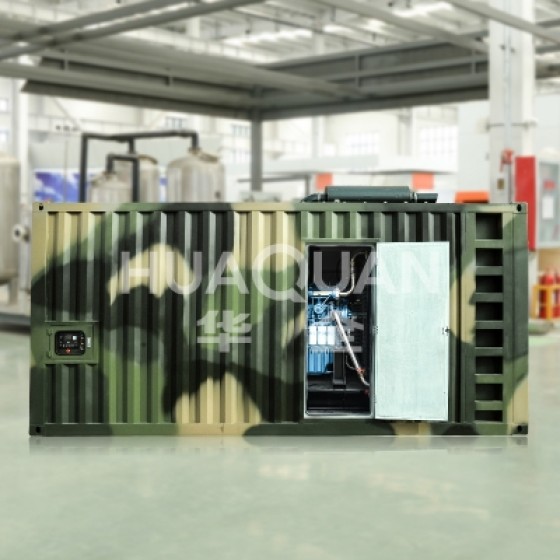
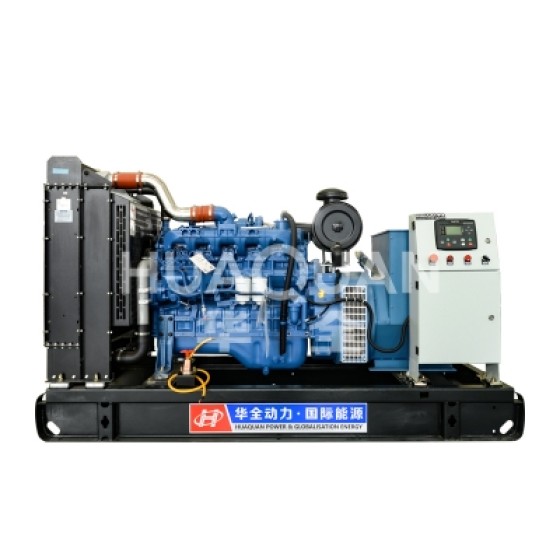
As a highly recognized supplier of premium engine parts in the generator set industry, Huaquan offers products across multiple models and power ranges. All parts utilize high-performance materials and precision manufacturing processes, ensuring outstanding durability, matching accuracy, and fuel efficiency. Not only do these products meet the demanding operational requirements of diverse industries—including data centers, mining operations, medical emergency services, and ocean-going vessels—but their stable performance, extended service life, and comprehensive after-sales support have established Huaquan as the trusted choice for engine components in generator sets worldwide. Huaquan has established a rigorous quality inspection system and possesses comprehensive capabilities in pre-sales consultation, rapid supply, and professional after-sales support. This enables the company to provide customers with stable, reliable one-stop solutions, effectively ensuring the efficient and long-term operation of engine equipment.
III. Classification System for Engine Parts
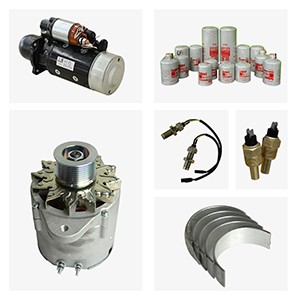
1. Power Transmission Components: Including crankshafts, connecting rods, pistons, flywheels, etc., these parts convert thermal energy from combustion into mechanical energy, serving as the core carriers for power transmission.
2. Fuel Supply Components: Includes fuel injectors, fuel pumps, fuel filters, etc. Their core function is to precisely control fuel injection volume and timing, ensuring complete fuel combustion and enhancing fuel economy.
3. Lubrication and Cooling Components: Such as oil pumps, oil filters, radiators, water pumps, etc., which provide lubrication and cooling for the engine's internal moving parts, reducing wear and preventing engine overheating.
4. Ignition and exhaust components: Including spark plugs, ignition coils, exhaust pipes, and three-way catalytic converters. Spark plugs generate electrical sparks under high-temperature, high-pressure conditions to ignite the fuel-air mixture, while the exhaust system expels exhaust gases and purifies emissions.
5. Sealing and Protection Components: Such as cylinder head gaskets, oil seals, and O-rings. These seal connections between engine components to prevent oil and coolant leaks while isolating the engine from external dust and contaminants.
IV. Core Functions of Key Engine Parts
1. Piston and Crankshaft: The piston serves as the engine's core moving component, driving the crankshaft rotation through reciprocating motion to convert linear movement into rotational power. Piston materials typically include aluminum alloys or high-strength alloy steels for superior heat resistance and wear resistance. The crankshaft requires exceptional rigidity and fatigue strength to ensure stability during prolonged high-speed rotation.
2. Fuel Injector: As a critical component of the fuel delivery system, the atomization efficiency of the fuel injector directly impacts combustion effectiveness. Modern engines predominantly utilize electronically controlled injectors, which dynamically adjust injection pressure and spray angle based on engine operating conditions. This enables precise fuel delivery, reducing fuel consumption and emissions.
3. Oil Filter: Responsible for filtering contaminants such as metal debris and impurities from engine oil to prevent wear on internal precision components. A high-quality oil filter must possess efficient filtration capabilities and excellent flow characteristics to ensure smooth oil circulation.
4. Spark Plug: In gasoline engines, spark plugs generate high-intensity electrical sparks at the end of the compression stroke to ignite the fuel-air mixture. Their ignition performance directly impacts engine starting capability, power output, and fuel consumption. Select the appropriate model based on the engine's compression ratio.
5. Cylinder Head Gasket: Located between the cylinder head and cylinder block, it seals the combustion chamber, coolant passages, and oil passages. The cylinder head gasket must withstand high temperatures and pressures. Damage can cause engine air leaks or coolant leaks, severely compromising power performance.
V. FAQs on Engine Parts
1. What are the maintenance and replacement principles for engine parts?
Proper maintenance is key to extending engine part lifespan and ensuring engine performance:
Regular inspections: Routine maintenance should include checking the condition of wear-prone components like oil filters, air filters, and spark plugs, cleaning or replacing them promptly.
Cyclical replacement: Core components must follow manufacturer-specified replacement intervals to prevent failures from prolonged use.
Compatibility Principle: When replacing parts, select OEM or high-quality aftermarket products matching the engine model to prevent improper installation, performance degradation, or engine damage due to incompatible specifications.
Environmental Adaptation: Under special operating conditions (e.g., high temperatures, dusty environments, heavy loads in construction machinery or long-haul transport vehicles), shorten replacement intervals and increase maintenance frequency.
2. What are the material and manufacturing requirements for engine parts?
Material Selection: Components operating in high-temperature environments typically utilize heat-resistant alloys, ceramics, and similar materials. Parts subjected to high loads employ high-strength alloy steels, with strength enhanced through heat treatments like quenching and tempering. Sealing components utilize oil-resistant, temperature-resistant elastomers such as rubber and fluororubber.
Processing Standards: Core moving components require precision machining. For instance, crankshaft grinding must achieve micron-level accuracy to ensure rotational balance. Piston surfaces typically undergo anodizing or coating treatments to enhance wear resistance and lubricity.
Quality Control: Engine components undergo rigorous quality inspections, including seal integrity testing and fatigue life testing, to ensure compliance with industry standards.
3. How to determine if engine parts need replacement? What are common warning signs?
Performance decline: Noticeably reduced power and sluggish acceleration.
Abnormal consumption: Excessive oil consumption (burning oil) and unusual coolant depletion.
Noise and vibration: Often manifests as rhythmic knocking sounds, sharp “clicking” noises, and severe engine shaking.
Abnormal emissions: Blue smoke, black smoke, or white smoke from the exhaust, each indicating component failure in different systems.
Check engine light illuminated: Persistent illumination of the dashboard engine warning light requires professional diagnostic equipment to read fault codes and pinpoint issues with electronic control components.
4. When selecting engine parts, what are the differences between “OEM parts,” “equivalent parts,” “branded parts,” and “aftermarket parts”? How should one choose?
Genuine Parts: Manufactured by the engine manufacturer or its designated suppliers, bearing the brand logo, with 100% compatibility, but commanding the highest price.
Equivalent Parts/Branded Parts: Produced by renowned component manufacturers. These companies are original equipment suppliers themselves, with products meeting or exceeding genuine part standards. They typically lack brand logos and offer exceptional value for money.
Aftermarket Parts: Replicated by manufacturers outside the original supply chain. Quality varies significantly, they are inexpensive, but may have dimensional inaccuracies, inferior materials, short lifespan, and carry certain risks. Recommended only for non-critical components with minimal impact on performance and safety, and should be selected with caution.
Selection Recommendations: For core moving parts, electronic control units, and precision sensors, prioritize OEM or top-tier brand parts. For consumables like filters, belts, and gaskets, well-known brand parts offer the best balance.
VI. Applications of Engine Parts
1. Data Center Standby Generator Parts
Data centers demand “zero interruption” from backup power sources. Engine parts must enable rapid start-up (≤15 seconds), low noise operation, and extended continuous runtime (≥72 hours).
2. Mining Mobile Generator Set Parts
Mining environments feature high dust levels, intense vibration, and significant temperature fluctuations (-20°C to 45°C). Parts must exhibit wear resistance, impact resistance, and dust-proof sealing properties.
3. Medical Emergency Generator Parts
Hospital emergency power supplies must deliver “zero pollution, low vibration, and rapid switching.” Components must comply with medical industry EMI electromagnetic compatibility standards.
4. Emergency Rescue Mobile Generator Parts
During disasters like earthquakes and floods, generators must withstand harsh terrain (bumpy surfaces, inclines ≤30°). Components require leak-proofing and low-temperature resistance.
5. Auxiliary Generator Set Parts for Ocean-Going Vessels
Ship auxiliary engines must withstand high humidity (≥95% relative humidity) and salt spray corrosion environments. Components require corrosion resistance and extended endurance (≥1000 hours of continuous operation).
Engine parts are far more than a simple assembly of metal components; they form a highly integrated, meticulously coordinated ecosystem. From core moving parts to intelligent electronic control systems, each element embodies profound engineering expertise. As electrification and intelligent technologies advance, engine components continue to evolve, propelling traditional internal combustion engines toward a more efficient and cleaner future.